
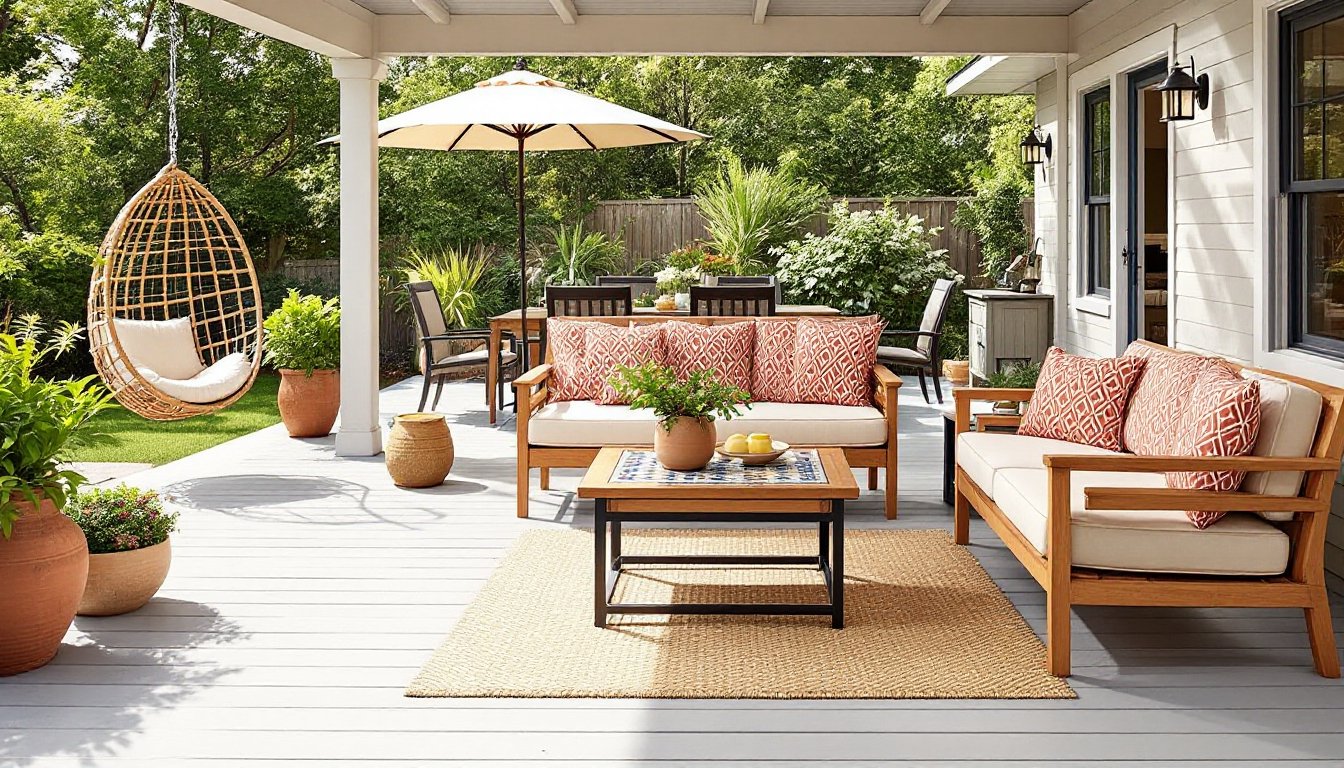
Shopping for patio furniture means balancing durability, style, and budget, and World Market delivers on all three fronts. Known for globally inspired designs and accessible price points, their outdoor furniture collections bring personality to patios, decks, and balconies without the premium markup of specialty retailers. Whether you’re furnishing a compact apartment balcony or a sprawling backyard deck, World Market offers options that blend function with visual interest. This guide walks through what sets their outdoor line apart, which collections fit different design approaches, and how to keep your pieces looking sharp season after season.
Table of Contents
ToggleKey Takeaways
- World Market patio furniture offers mid-range pricing ($150–$400 for seating) with globally inspired designs and above-average quality that rivals big-box retailers without premium markups.
- Material selection varies by collection: acacia and eucalyptus hardwoods require annual sealing, powder-coated steel needs dry storage in wet climates, and resin wicker performs best in moderate temperatures above 20°F.
- Measure your space accurately, allow 30–36 inches around dining tables for chair pullout, and consider climate and storage capacity before purchasing to ensure proper fit and longevity.
- Proper maintenance—seasonal wood sealing, annual powder-coat inspections, monthly cushion vacuuming, and off-season storage—extends mid-grade outdoor furniture lifespan from three to ten years.
- World Market’s in-stock availability and quick shipping (within one week) make it ideal for homeowners needing patio furniture on shorter timelines compared to specialty retailers with long lead times.
Why Choose World Market for Your Outdoor Furniture Needs
World Market occupies a unique niche in the outdoor furniture market: affordable without looking cheap, stylish without chasing every trend, and built for typical residential use rather than commercial-grade abuse.
Their value proposition centers on mid-range pricing with above-average design. Most seating pieces land between $150–$400, dining sets run $400–$800, and accent pieces start around $50. That’s competitive with big-box retailers but with better material choices and more distinctive styling. You won’t find powder-coated aluminum frames or marine-grade cushions here, this is consumer-grade outdoor furniture meant for covered patios or seasonal use with proper storage.
Material quality varies by collection. Acacia and eucalyptus hardwoods dominate their wooden furniture lines, both naturally weather-resistant but requiring annual sealing. Metal frames are typically powder-coated steel rather than rust-proof aluminum, so they need dry storage or protective covers in wet climates. Wicker pieces use all-weather resin wicker over steel frames, which holds up well to UV exposure but can crack in extreme temperature swings below 20°F.
The design aesthetic leans eclectic and global-inspired, pulling from Moroccan, Mediterranean, and mid-century influences. This works well if you’re layering outdoor spaces with textiles, planters, and lighting, areas where World Market excels, but less so if you want matching, catalog-perfect patio sets. Many outdoor furniture collections from the retailer prioritize mix-and-match versatility over rigid coordination.
One practical advantage: in-stock availability. Unlike boutique outdoor brands with long lead times, most World Market pieces ship within a week or are available for in-store pickup. That matters when you’re racing against a Memorial Day barbecue deadline.
Top World Market Patio Furniture Collections and Styles
World Market rotates collections seasonally, but certain style categories remain consistent year over year. Here’s what to expect when browsing their outdoor catalog.
Bohemian and Eclectic Outdoor Sets
This category includes rattan chairs, carved wood benches, and metal furniture with scroll detailing. The Papasan chair frames adapted for outdoor use show up frequently, steel frames with weather-resistant cushions in bold prints. These work well on covered porches but aren’t meant for full sun exposure: cushion fabrics are typically polyester blends rated for outdoor use but will fade after a season or two of direct UV.
Mosaic tile bistro sets are a signature piece: powder-coated steel frames topped with hand-laid ceramic tiles in Moroccan or Mediterranean patterns. The tile tops hold up well to weather, but grout lines can crack in freeze-thaw cycles. Expect each set (two chairs, one table) to weigh 40–60 pounds assembled, stable enough for windy conditions without anchoring.
Hanging egg chairs and swing chairs fall into this category. Most use powder-coated steel chain and hooks rated to 250–300 pounds. Critical note: verify your overhead structure can support the dynamic load. A 2×8 joist can typically handle the weight, but a 2×6 or decorative beam may need reinforcement. When in doubt, consult a structural engineer, this isn’t a project to wing.
Many homeowners pair these pieces with design ideas from Southern porch traditions, layering in outdoor rugs and string lighting for a curated look.
Modern and Minimalist Patio Pieces
World Market’s modern line emphasizes clean lines, neutral tones, and modular configurations. Eucalyptus dining sets with slatted backs and simple joinery are a staple, typically FSC-certified wood finished with water-based sealant. Eucalyptus is denser than pine but lighter than teak, with natural oils that resist rot. Without annual resealing, expect silvering (graying) within one season, which some prefer for a weathered aesthetic.
Aluminum-frame sectionals with neutral cushions offer the most weather resistance in this category. Frames are welded rather than bolted, which reduces wobble but makes repairs harder. Cushions use solution-dyed acrylic fabrics (similar to Sunbrella) that resist fading and mildew. These fabrics can handle rain, but prolonged moisture will still wick into foam cores, bring cushions inside during multi-day storms.
Modular daybeds and chaise lounges appear in late spring. Most use synthetic rattan over aluminum subframes with adjustable backs (three to five positions). Check weight capacity, many max out at 225 pounds, which is lower than commercial pool furniture. Rollers or glides on the base make repositioning easier but can scratch composite or wood decking: use furniture pads.
For gardeners integrating furniture into landscape designs, the minimalist sets provide visual breathing room around planting beds and container gardens.
How to Select the Right Patio Furniture for Your Space
Choosing outdoor furniture isn’t just about style, it’s about matching material and scale to your climate, space, and storage options.
Measure before you shop. Sounds obvious, but too many patios end up overcrowded. Allow 30–36 inches of clearance around dining tables for chair pullout. For conversation sets, position seating 6–8 feet apart for comfortable sightlines without shouting. Sketch your layout on graph paper (¼-inch scale works well) or use painter’s tape on the deck to visualize footprints.
Match materials to your climate. Wood furniture thrives in dry or temperate zones but suffers in high-humidity coastal areas unless sealed twice yearly. Powder-coated steel handles heat well but will rust through chips in the finish, inspect annually and touch up with rust-inhibiting spray paint. Resin wicker tolerates moisture but becomes brittle in desert heat above 110°F. Aluminum and synthetic rattan offer the broadest climate compatibility.
Consider storage realities. If you lack a shed or garage, prioritize stackable chairs and folding tables. World Market’s folding eucalyptus bistro sets collapse to 6 inches thick, storable behind a water heater or under a stairwell. Cushions compress into deck boxes (120-gallon minimum for a four-piece seating set). Leaving cushions outside year-round, even with covers, shortens lifespan by 50% in freeze-thaw climates.
Weight matters for wind. Lightweight aluminum furniture under 15 pounds per chair will blow around in 25+ mph winds. Either anchor with ground stakes or choose heavier pieces. Conversely, if you rearrange frequently, avoid solid wood dining sets, a six-seat eucalyptus table can hit 80 pounds, requiring two people to move safely.
Test before committing. Visit a store if possible. Sit in chairs for two minutes, not ten seconds. Check if armrests hit table aprons (a common issue with dining sets). Lean back hard in lounge chairs to test frame flex. Open and close folding mechanisms, if they’re stiff in the store, they’ll be worse after a season of dust and pollen.
Caring for and Maintaining Your World Market Outdoor Furniture
Proper maintenance stretches the life of mid-grade outdoor furniture from three years to ten. Here’s what actually works.
Wood furniture: Apply teak oil or exterior wood sealer at the start and end of each season. Clean with a deck brush and solution of 1 cup oxygen bleach per gallon of water, scrub with the grain, rinse thoroughly, let dry 48 hours before sealing. Never use pressure washers above 1,200 PSI: you’ll splinter the surface. For acacia and eucalyptus, expect 0.5–1 quart of sealer per dining set. Brands like Penofin or Watco work well, but any exterior penetrating oil rated for hardwoods will do.
Metal frames: Inspect powder coating annually for chips, especially on chair legs and table edges. Clean chips to bare metal with 80-grit sandpaper, wipe with denatured alcohol, apply rust-inhibiting primer, then spray paint matched to the frame color. Skip this step and rust will spread under the coating like cancer. Wash frames monthly during use with car wash soap and a soft sponge, dish soap can strip protective wax finishes.
Cushions and fabrics: Vacuum monthly to remove pollen and dirt that abrade fibers. For spills, blot immediately with cold water. Deep clean twice per season: mix 2 tablespoons mild detergent in a gallon of lukewarm water, scrub with a soft brush, rinse until water runs clear, air dry completely (6–12 hours). Never machine wash or dry, heat melts waterproof backing. Store cushions in ventilated deck boxes or indoors: sealed plastic bins trap moisture and encourage mildew.
Wicker and rattan: Hose down monthly to prevent dirt buildup in weave gaps. For stuck-on grime, use a toothbrush and soapy water. Avoid pressure washers, they fray synthetic fibers. Check frame joints annually: loose screws back out from thermal expansion cycles. Tighten with a Phillips #2 driver and add medium-strength threadlocker (blue Loctite) to prevent repeat loosening.
Off-season storage: Even “all-weather” furniture lasts longer stored dry. Stackable pieces go in garages or sheds. For items left outside, use breathable covers with tie-down straps, vinyl tarps trap condensation. Elevate furniture on 2×4 runners to prevent ground moisture wicking into legs. In snow country, remove cushions and tip chairs upside down to shed precipitation.
Warranty claims: World Market’s outdoor furniture typically carries a 90-day to 1-year warranty depending on the collection. Keep receipts and photos of assembly, many claims get denied for “improper installation” or “lack of maintenance.” Document defects within 30 days of delivery for best results.
Conclusion
World Market patio furniture hits a sweet spot for homeowners wanting personality and value without the investment of high-end brands. Focus on matching materials to your climate, measuring spaces accurately, and committing to seasonal maintenance. With realistic expectations and proper care, these pieces deliver years of functional outdoor living.