
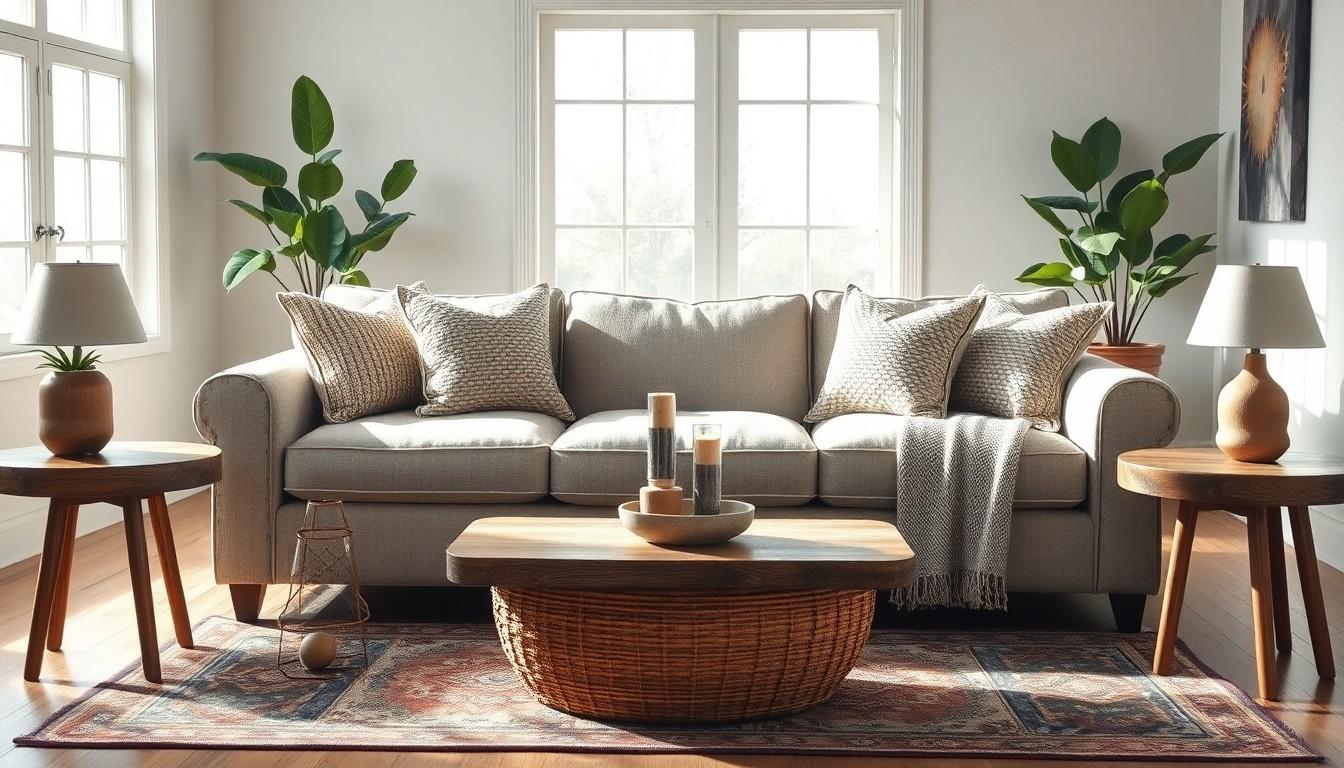
Magnolia Home Furniture was once the shining star of home decor, captivating fans with its charming designs and cozy vibes. But lately, whispers of its fate have left many scratching their heads. Did it get lost in a sea of shiplap and farmhouse chic, or is it simply taking a well-deserved nap?
As the world of interior design evolves at lightning speed, the question remains: what happened to this beloved brand? From its roots in the heart of Texas to its rise in popularity, Magnolia Home has been a staple for those seeking style and comfort. Join the journey as we uncover the twists and turns that led to its current status, and discover whether it’s time to bid adieu or celebrate a comeback.
Table of Contents
ToggleOverview of Magnolia Home Furniture
Magnolia Home Furniture emerged as a widely recognized brand, celebrated for its distinctive designs and inviting style. Founded by Joanna Gaines, the brand quickly gained a loyal following that appreciated its blend of modern and rustic aesthetics. Initially, the collection resonated well with consumers looking for comfortable yet stylish furniture pieces.
As time progressed, Magnolia Home Furniture found itself at the height of its popularity, contributing to the overall allure of the Magnolia brand. The range included furniture items such as sofas, chairs, tables, and decor that reflected a homey, farmhouse vibe. Shoppers admired the quality materials and thoughtful craftsmanship that defined each piece.
However, shifts in consumer preferences began to influence the brand’s visibility. Market trends shifted toward minimalist and contemporary styles, causing brands like Magnolia Home Furniture to face increased competition. Consequently, the once-vibrant product line experienced a decline in sales and consumer engagement.
Brand partnerships and promotional strategies may not have kept pace with evolving trends, resulting in decreased awareness. Online presence also diminished, limiting accessibility for potential customers. As more brands adapted to changing market demands, Magnolia Home struggled to reclaim its former place in the interior design sphere.
Despite challenges, reflections on the brand’s original mission reveal a strong foundation. Remaining loyal to its roots in Texas, Magnolia Home Furniture captures the essence of warmth and community. Industry experts speculated on potential innovations that might reinvigorate the brand’s appeal. Conversations around a possible revival hint at the resilience of the brand amidst a changing landscape.
Recent Developments in Magnolia Home Furniture
Magnolia Home Furniture has undergone several changes in recent years, affecting its market presence and product offerings.
Changes in Ownership
Ownership shifts significantly altered Magnolia Home Furniture’s strategic direction. The brand transitioned ownership to a larger corporation, aiming to enhance distribution and marketing efforts. New leadership introduced varied approaches to product enhancements and customer engagement. Changes in management structure impacted decision-making processes, leading to some uncertainty among loyal customers. As a result, the brand experienced difficulty maintaining its initial core values.
Impact on Product Lines
Changes in Magnolia Home Furniture’s product lines reflect shifting market demands. The introduction of minimalist designs accompanied a phased-out focus on its original rustic aesthetic. Collaborations with contemporary designers expanded the range, appealing to a broader audience. Product quality saw some variation, prompting mixed consumer feedback. Maintaining a balance between new styles and the brand’s historical charm remains a challenge. Adjustments in inventory management and supply chain practices also affected product availability, reducing consistent offerings.
Customer Reactions and Feedback
Customer feedback on Magnolia Home Furniture has varied widely in recent months. Loyal fans express appreciation for the brand’s unique blend of modern charm and rustic elements. Many highlight the quality of materials and craftsmanship in products, showcasing excitement over new collections that embrace contemporary trends. Positive reviews often focus on the brand’s eye for design and its ability to create inviting spaces, with consumers stating they find joy in their purchases.
Conversely, mixed reactions have surfaced regarding the recent changes at Magnolia Home Furniture. Disappointments arise from some customers who perceive a decline in product quality following management transitions. Complaints about delivery delays and customer service responsiveness appear frequently, signaling frustration among buyers. Additionally, certain loyal customers feel disconnected from the brand’s new direction, creating uncertainty about future purchases. These differing perspectives reveal the complexities faced by Magnolia Home Furniture amid its evolving identity.
Market Trends Affecting Magnolia Home Furniture
Economic conditions influence the furniture market significantly. Rising inflation rates affect consumer spending power and can lead to a preference for budget-friendly alternatives. Increased competition also plays a crucial role, as new furniture brands enter the market with innovative designs that attract a younger demographic.
Shifts in interior design trends toward minimalism create challenges for Magnolia Home Furniture. As consumers gravitate toward sleek, modern aesthetics, the brand’s traditional rustic charm faces scrutiny. Diverse consumer preferences complicate the landscape; some desire simplicity while others seek the brand’s unique style.
Customer feedback draws attention to product quality concerns. Loyal supporters appreciate Magnolia’s signature blend of styles yet express frustration over recent inconsistencies. Service-related issues contribute to a diminishing reputation among some segments of the market.
Partnerships with contemporary designers aim to broaden the brand’s appeal. Collaborating with influencers and lifestyle brands presents opportunities for higher visibility, yet mixed reviews suggest that some partnerships may not align perfectly with the company’s established identity.
Shifts in marketing strategies reflect changing consumer behaviors. Magnolia Home Furniture increasingly utilizes social media platforms to engage potential buyers. This transition embraces digital interactions but underscores the importance of maintaining personalized customer experiences.
Brand ownership transitions introduce uncertainty. New leadership brings fresh ideas but also alters longtime company values. Balancing innovation with tradition becomes essential to re-win the trust of longtime patrons.
Adapting to market trends requires continuous reassessment of business strategies. Monitoring consumer preferences and feedback stands vital for navigating the evolving landscape. Magnolia Home Furniture seeks to remain relevant in this competitive arena amidst these evolving dynamics.
Magnolia Home Furniture’s journey reflects the challenges many brands face in a rapidly changing market. As consumer preferences shift and competition intensifies the brand’s struggle to maintain its identity while adapting to new trends has become evident. The recent changes in ownership and leadership offer a glimpse of potential revitalization but also raise questions about the brand’s commitment to its core values.
While some loyal customers still appreciate the unique blend of styles Magnolia Home offers others are left wondering if the brand can reclaim its former glory. The path forward remains uncertain as Magnolia Home navigates the complexities of modern consumer expectations and market dynamics. Whether it will successfully evolve or face further decline will depend on its ability to balance innovation with the charm that initially captured hearts.