
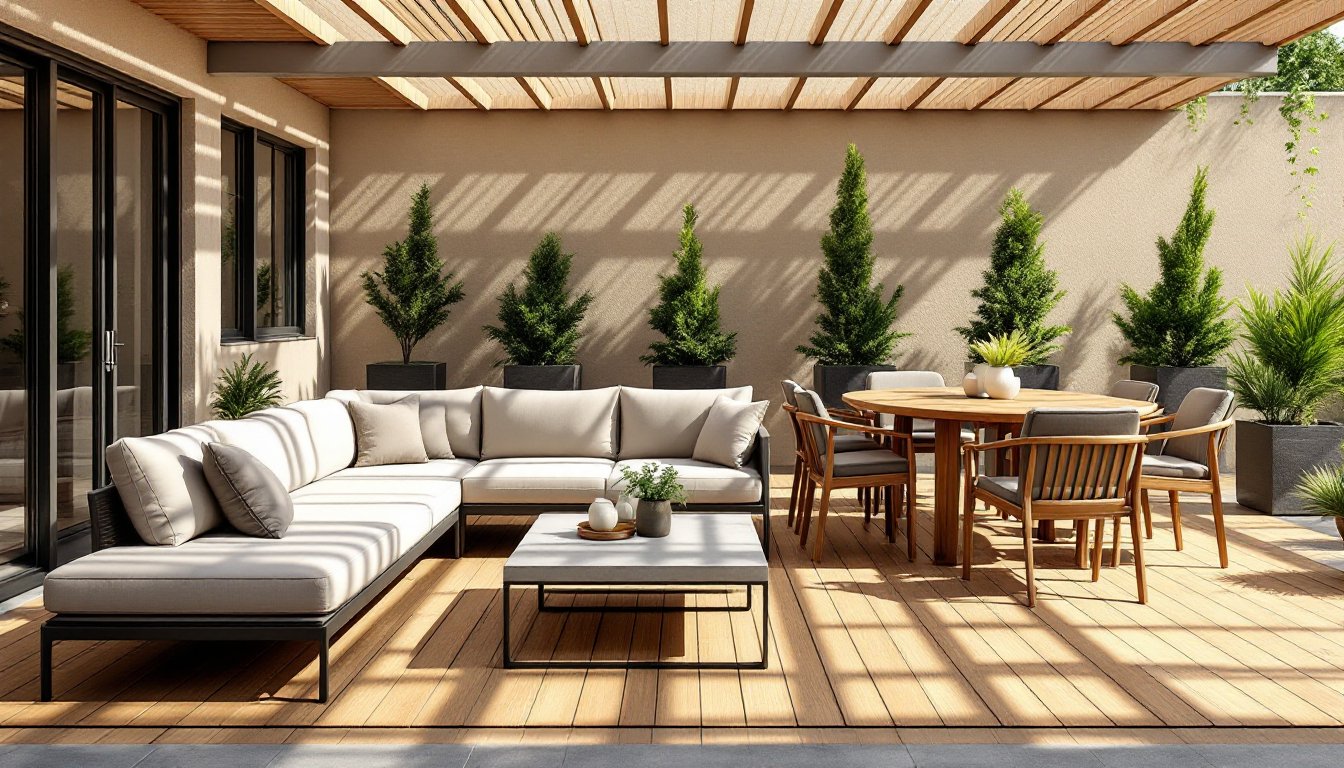
Upscale patio furniture isn’t just about comfort, it’s about creating an outdoor room that rivals the best spaces inside your home. The right pieces can turn a basic deck or patio into a destination where you’ll actually want to spend time, whether you’re hosting dinner parties or simply unwinding after a long day. High-end outdoor furniture combines durability with design, offering materials and construction that can handle UV exposure, temperature swings, and moisture while maintaining a polished look. This guide walks through what separates premium outdoor furniture from budget options, which materials deliver the best long-term value, and how to select pieces that fit your space and lifestyle.
Table of Contents
ToggleKey Takeaways
- Upscale patio furniture stands apart through superior material quality, reinforced construction methods, and thoughtful design that creates a genuine outdoor living space.
- Premium materials like Grade A teak, marine-grade stainless hardware, solution-dyed acrylic fabrics (such as Sunbrella), and powder-coated aluminum with proper wall thickness deliver 25+ years of durability and resist fading, rust, and weather damage.
- Measure your outdoor space carefully and prioritize seating capacity and scale matching your home’s architecture to avoid costly mistakes, as upscale patio furniture purchases are rarely returnable.
- Modern Minimalist and Classic Mediterranean styles dominate high-end outdoor design, each offering distinct aesthetics and maintenance requirements that should align with your home’s existing architecture.
- Routine maintenance—including seasonal cleaning, teak oil applications, fastener checks, and proper cushion storage—preserves your investment and prevents premature wear on premium furniture.
- Test furniture in-person for comfort and proportions before purchasing, ensuring dining chairs support your lower back and lounge chairs allow easy standing without compromising armrest functionality.
What Defines Upscale Patio Furniture?
Premium outdoor furniture stands apart from standard patio sets through three core factors: material quality, construction methods, and design integrity.
Material quality is the first giveaway. Upscale pieces use marine-grade stainless steel hardware, not zinc-plated screws that rust after one season. Cushions feature solution-dyed acrylic fabrics (like Sunbrella) with UV stabilizers woven into the fiber itself, not sprayed-on coatings that fade. Frames use materials engineered for outdoor exposure, powder-coated aluminum, all-weather wicker over rust-proof frames, or properly sealed FSC-certified teak.
Construction methods matter just as much as materials. Look for mortise-and-tenon joinery in wood pieces, not pocket screws. Premium wicker furniture uses hand-woven resin strands over welded aluminum frames, not stapled plastic strips over hollow steel tubes. Joints should be reinforced with marine-grade adhesives and stainless fasteners. Cushion cores should be quick-dry foam wrapped in moisture barriers, not standard polyurethane that absorbs water like a sponge.
Design integrity means pieces that work as cohesive furniture, not just weather-resistant lawn chairs. Upscale collections offer modular sectionals with consistent sightlines, dining tables with proper overhang dimensions (10-12 inches per side for comfortable seating), and proportions that make sense for adult use. You’ll see thoughtful details: integrated levelers for uneven surfaces, concealed drainage channels in table bases, and frames designed to eliminate water pooling.
Premium Materials That Stand the Test of Time
Not all outdoor materials age the same way. Here’s what separates the high-performers from the pretenders.
Teak remains the gold standard for wood outdoor furniture, but only if it’s Grade A (heartwood only, tight grain, minimal knots). Lesser grades use sapwood that weathers unevenly. Properly maintained teak can last 25+ years. Expect it to silver naturally unless you apply teak oil annually. Joints should be protected with marine sealant at assembly. Alternative hardwoods like shorea or eucalyptus offer similar durability at lower cost, but verify the wood is kiln-dried to 12-15% moisture content before finishing, wet wood leads to cracking.
Powder-coated aluminum delivers the best strength-to-weight ratio. Look for frames with wall thickness of at least 1.2mm and welds that are ground smooth before coating. Quality powder coating is applied electrostatically at 3-4 mils thick and cured at 400°F. It won’t chip like paint. Aluminum doesn’t rust, but cheaper alloys can oxidize and pit in coastal environments, marine-grade 5052 or 6061 alloys resist this.
All-weather wicker (resin wicker) quality varies wildly. Premium versions use high-density polyethylene (HDPE) strands with UV inhibitors throughout, not just surface-treated. The weave should be tight with no visible gaps, and strands should have some give without feeling brittle. Frames underneath must be rustproof, powder-coated aluminum, not bare steel. According to experts at high-end furniture retailers, the best resin wicker uses half-round strands that shed water better than flat weaves.
Stainless steel hardware is non-negotiable for coastal or humid climates. Use 304-grade minimum, 316-grade (marine-grade) if you’re within a mile of saltwater. Fasteners should be stainless throughout, mixing metals accelerates corrosion.
Solution-dyed acrylic fabrics like Sunbrella resist fading because color is locked into the fiber during manufacturing, not applied afterward. They’re also mold-resistant and breathable. Cheaper outdoor fabrics use solution-printed polyester that fades in 1-2 seasons. Check cushion construction: cores should be wrapped in moisture barriers and channels should allow airflow.
Top Styles for Sophisticated Outdoor Living
Choosing a design direction helps narrow the overwhelming number of high end outdoor patio furniture options and ensures pieces work together visually.
Modern Minimalist
Clean lines, neutral palettes, and geometric forms define modern outdoor spaces. Think low-profile sectionals with crisp cushions, dining tables with slender powder-coated steel bases, and monochromatic color schemes in grays, blacks, and whites.
Key characteristics: cantilevered lounge chairs, cube-shaped side tables, and integrated planters that double as privacy screens. Materials lean toward powder-coated aluminum, concrete composite, and woven rope or strap seating over metal frames. Cushions are often thin (3-4 inches) with tailored edges, not overstuffed.
This style works best on contemporary homes with horizontal lines or urban rooftop decks where space is limited. It’s also the easiest to maintain, fewer crevices for debris, and materials that clean with a quick hose-down.
Classic Mediterranean
Warm, textured, and inviting, Mediterranean-style furniture emphasizes natural materials and comfortable proportions. Teak dining sets, wrought iron with scrollwork details, and terra cotta accent pieces create spaces that feel like European courtyards.
Key characteristics: substantial wood frames, curved armrests, and cushions in earth tones or faded blues. Dining tables are often 72-96 inches long with turned legs. Lounge seating features deep cushions (6+ inches) with knife-edge or box-style construction. Design inspiration from architecture and interiors publications often showcases mosaic tile accents, natural stone flooring, and aged finishes.
This style fits traditional homes, Spanish Colonial architecture, and spaces with established landscaping. It requires more maintenance than modern styles, teak needs seasonal oiling, iron needs rust checks, and deep cushions require covered storage or waterproof deck boxes.
How to Choose the Right Pieces for Your Space
Measure first, shop second. Upscale furniture isn’t returnable in most cases, and oversized pieces make a space feel cramped.
Start with your deck or patio dimensions. Map it to scale on graph paper (1 square = 1 foot works well). Mark any permanent features: grill locations, door swings, planters, and railings. Allow 24-36 inches of clearance around dining tables for chair pullout, and 18-24 inches for walkways between furniture groupings.
Prioritize seating capacity over surface area. A 60-inch round dining table seats six comfortably: a 72-inch table seats eight. Sectionals are measured in total linear feet, a 120-inch L-shaped sectional seats 4-6 adults depending on configuration. Don’t forget side tables or drink rails: nobody wants to set a glass on the ground.
Match furniture scale to your home’s architecture. A massive teak dining set overwhelms a small bungalow patio, while delicate bistro furniture looks lost on a sprawling deck. Use your home’s trim dimensions as a guide, if window casings are 4-6 inches, furniture frames in the 2-4 inch range look proportional.
Consider storage and seasonal use. Even premium cushions benefit from covered storage during off-season. If you lack a shed or garage space, invest in a weather-resistant deck box (Suncast or Keter make versions with reinforced lids that double as seating). Some upscale collections offer stackable chairs or modular pieces that nest together, useful if you need to clear space for winter.
Test before you commit. Sit in floor samples for at least five minutes. Dining chairs should support your lower back without a cushion: lounge chairs should allow you to stand up without leverage. Armrest height matters, too low and you’ll feel like you’re sinking: too high and they’re useless. Homeowners seeking design ideas and practical layouts often find that visualizing furniture in similar outdoor spaces helps avoid costly mistakes.
Caring for Your Investment: Maintenance Tips
Premium materials tolerate neglect better than cheap alternatives, but a little maintenance goes a long way.
Teak and hardwoods: Clean with a soft brush and mild soap (dish soap works) twice a season. If you want to preserve the original honey color, apply teak oil every 4-6 months, but expect to commit to this schedule indefinitely. Skipping it after you start leads to uneven coloring. If you prefer the silver patina, just clean and let it age naturally. Check joints annually for gaps: fill with marine sealant if water intrusion is visible.
Powder-coated aluminum and steel: Hose off weekly during use season to prevent buildup of pollen, leaves, and organic debris that can stain the finish. Wipe down with a microfiber cloth and car wash soap (pH-neutral) monthly. Touch up any chips immediately with matching powder coat repair paint to prevent oxidation underneath. Coastal climates should rinse furniture with fresh water after storms to remove salt spray.
All-weather wicker: Vacuum crevices monthly to remove dirt and debris that degrade the weave. Scrub with a soft brush and soapy water, then rinse thoroughly. Avoid pressure washers, they can fray or loosen weaving. Inspect frames for rust annually: sand and touch up with rust-inhibiting primer and paint if needed.
Cushions and fabrics: Remove covers and machine wash on gentle cycle with mild detergent every 4-6 weeks during heavy use. Air dry only, high heat can shrink even solution-dyed fabrics. Spot-clean spills immediately with a 1:1 solution of white vinegar and water: blot, don’t rub. Store cushions in a dry, ventilated space during winter. If mildew appears, treat with a solution of 1 cup bleach per gallon of water, rinse thoroughly, and air dry in direct sunlight.
Hardware and fasteners: Check bolts, screws, and brackets twice a season. Tighten any that have loosened due to temperature cycling. Apply a dab of marine grease to threaded fasteners annually to prevent seizing.
Covers and tarps: Even high-end furniture benefits from covers during extended non-use. Look for breathable covers with ventilation panels, waterproof tarps trap moisture and accelerate mold growth. Covers should fit snugly with tie-downs or elastic hems to prevent wind damage.
Winter prep: For climates with freeze-thaw cycles, drain any water from table bases or hollow frames. Tip chairs upside down or store under cover. Remove glass tabletops and store flat to prevent thermal shock cracks.