
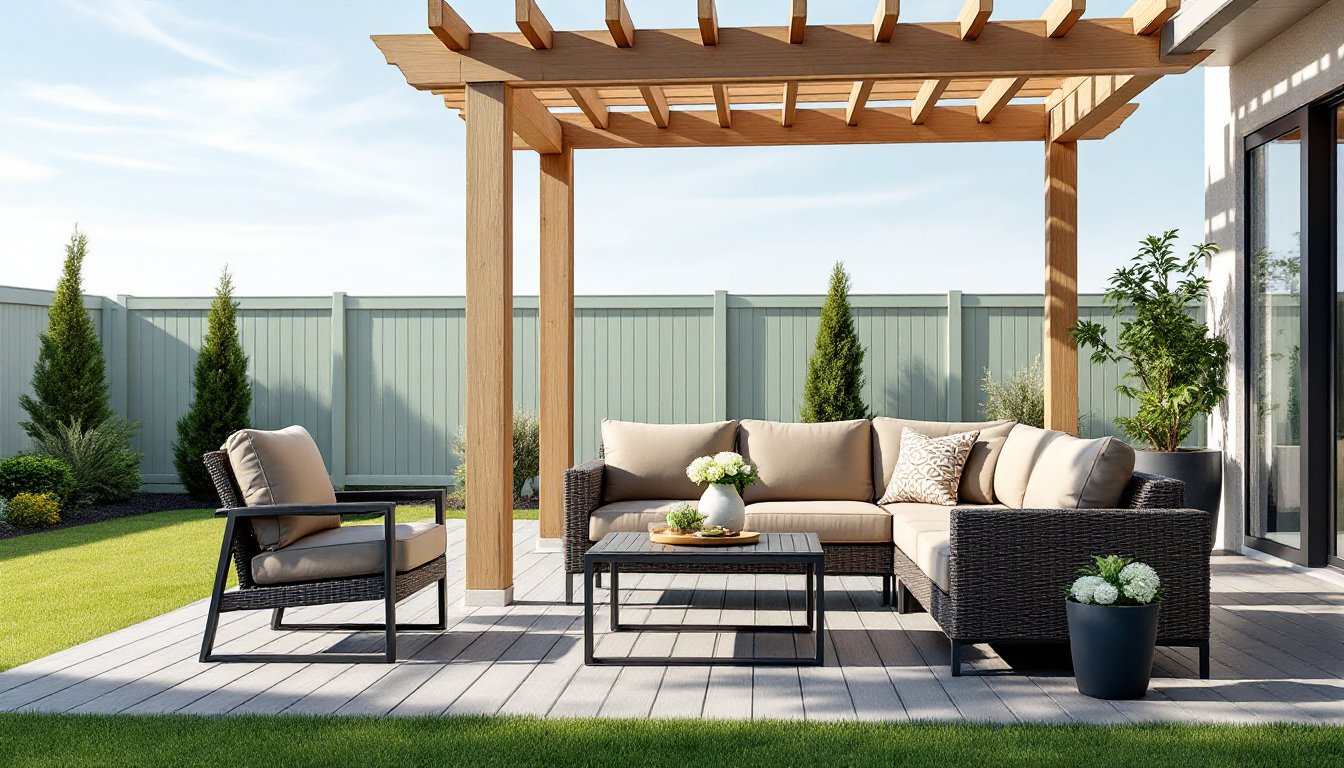
Patio furniture takes a beating. Rain, UV rays, humidity, temperature swings, outdoor pieces endure conditions that would destroy most indoor furnishings in a season or two. That’s why synthetic resin has become the go-to material for homeowners who want furniture that looks sharp, holds up year after year, and doesn’t demand constant babysitting. Unlike natural wicker that rots or metal that rusts, synthetic resin delivers weather resistance without sacrificing style. Whether outfitting a small balcony or a sprawling deck, understanding what synthetic resin offers, and how to choose and maintain it, makes the difference between a smart investment and a pile of cracked plastic by next spring.
Table of Contents
ToggleKey Takeaways
- Synthetic resin patio furniture resists weather damage, UV fading, and moisture absorption without rotting, warping, or rusting like natural materials.
- Quality synthetic resin furniture features UV-stabilized polyethylene weave over aluminum or steel frames with reinforced joints, backed by 2–5 year warranties against fading and cracking.
- Routine maintenance requires only hose-downs, mild soap, and soft-bristle brushing—no staining, sealing, or annual refinishing like wood or teak demand.
- Wicker-weave designs, modular sectionals, and dining sets offer flexible styling options, while lighter tones stay cooler and darker shades hide dirt better.
- Extend synthetic resin furniture lifespan by inspecting frames biannually, storing cushions during rain, avoiding pressure washers, and rotating pieces for even UV exposure.
- Proper care and quality construction ensure synthetic resin outdoor pieces maintain their appearance and functionality for years beyond the warranty period.
What Is Synthetic Resin Patio Furniture?
Synthetic resin patio furniture is constructed from man-made polymer materials designed to mimic the appearance of natural wicker, rattan, or wood while offering superior durability and weather resistance. The most common type is polyethylene (PE) resin, which is extruded or woven over a frame, typically powder-coated aluminum or steel.
Unlike natural rattan, which dries out, cracks, and splinters when exposed to moisture and UV radiation, synthetic resin is engineered to handle the full spectrum of outdoor conditions. It won’t absorb water, fade rapidly in sunlight, or become brittle in freezing temps. The resin itself is UV-stabilized during manufacturing, meaning color pigments are integrated throughout the material rather than applied as a surface coating.
Frames matter as much as the weave. Welded aluminum frames add minimal weight and won’t rust, making them ideal for coastal environments. Steel frames are heavier and more stable but require powder coating to prevent corrosion. Cheaper models use hollow, thin-walled tubing that can dent or buckle: quality pieces use thicker-gauge material and reinforced joints.
Synthetic resin is also recyclable in many municipalities, though you’ll need to check local codes. It’s not biodegradable, so end-of-life disposal should be planned if sustainability is a priority.
Why Homeowners Are Choosing Synthetic Resin for Outdoor Spaces
Synthetic resin has overtaken wood, wrought iron, and even teak in popularity for a few hard-earned reasons. It solves the problems that send other materials to the curb after a few seasons.
Weather Resistance and Durability
Synthetic resin doesn’t rot, warp, or splinter. It shrugs off rain, snow, and humidity without swelling or cracking. UV inhibitors baked into the resin slow color fade, so pieces stay looking sharp for years instead of bleaching out by mid-summer.
In freeze-thaw climates, natural wicker and wood can split as moisture expands and contracts. Resin won’t absorb water, so ice formation isn’t an issue. Coastal homeowners appreciate that saltwater spray won’t corrode resin the way it attacks metal hardware or natural fibers.
Most quality synthetic resin furniture carries a 2- to 5-year warranty against fading, cracking, and peeling. Compare that to untreated wood or natural wicker, which often show visible wear within a single season. Heavy storms and high winds are the real test, pieces with robust frames and tight weaves hold up far better than lightweight, hollow-core designs.
Low Maintenance and Easy Care
Synthetic resin doesn’t need staining, sealing, or sanding. There’s no annual refresh cycle like teak or cedar demand. Cleaning involves a garden hose, mild dish soap, and a soft-bristle brush. For stubborn grime or mildew in humid areas, a solution of 1 part white vinegar to 3 parts water works without damaging the finish.
Cushions are the weak link. Even water-resistant fabric will develop mold if left wet, so store cushions in a deck box or covered bin during heavy rain. Some homeowners invest in solution-dyed acrylic fabric (like Sunbrella), which resists fading and mildew better than standard polyester.
Winter storage isn’t mandatory, but it extends lifespan. If leaving furniture out year-round, use breathable covers that prevent moisture buildup while blocking UV. Tarps that trap condensation can do more harm than good.
Styles and Design Options for Every Patio
Synthetic resin isn’t a one-size-fits-all aesthetic. Manufacturers offer everything from sleek modern loungers to traditional deep-seating sets that mimic classic wicker furniture styles used on porches for generations.
Wicker-weave styles dominate the market. Tight, fine weaves suit contemporary spaces and resist sagging. Wider, chunkier weaves lean traditional and work well in covered porches or Southern-style outdoor rooms where shade limits UV exposure. Color options range from natural tan and espresso brown to charcoal gray and matte black. Lighter tones stay cooler to the touch in direct sun, while darker shades show less dirt.
Modular sectionals are popular for DIYers who want flexible layouts. Individual chairs, corner pieces, and ottomans can be rearranged as needs change, handy when hosting a cookout or winterizing a deck. Look for models with interlocking clips or rubberized feet to prevent shifting on smooth composite decking.
Dining sets with resin chairs and matching tables often include tempered glass or slatted resin tops. Glass adds a clean look but requires regular cleaning to avoid water spots. Slatted tops drain rainwater and don’t need removal in wet weather.
For small spaces, balconies, apartment patios, bistro sets and stacking chairs save square footage. Resin stacks without scratching, unlike metal that can chip paint. Folding designs aren’t common in resin (frames don’t hinge as cleanly as metal), so stackability is the primary space-saver.
Some lines now offer mixed materials: resin wicker seats with eucalyptus wood armrests or aluminum accent legs. These hybrid pieces appeal to homeowners who want variety without losing the core benefits of resin.
How to Care for and Maintain Synthetic Resin Furniture
Proper care keeps synthetic resin looking new and extends its functional life well beyond the warranty period. Most damage comes from neglect, not the material itself.
Routine cleaning: Hose down furniture every few weeks during active use. Dirt, pollen, and tree sap accumulate faster than most people expect. For stuck-on grime, mix a few drops of dish soap in a bucket of warm water and scrub with a soft-bristle brush, never use steel wool or abrasive pads, which can scratch the resin and create spots where dirt embeds.
Mold and mildew: In humid climates or shaded areas, mildew can colonize resin surfaces. A diluted bleach solution (1 cup bleach per gallon of water) kills spores, but rinse thoroughly to avoid residue that attracts more dirt. Vinegar-water works for light cases and won’t lighten colored resin.
Frame inspection: Check aluminum or steel frames twice a year for loose bolts, bent tubing, or worn welds. Tighten hardware with a socket wrench before joints work loose and stress the resin weave. If powder coating chips on steel frames, touch up with rust-inhibiting spray paint to prevent corrosion from spreading.
Cushion care: Remove cushions during rain or store them in a ventilated deck box. Wash covers according to fabric care labels, most solution-dyed acrylics tolerate machine washing on gentle cycle with mild detergent. Air-dry only: high heat can shrink covers or damage water-repellent treatments. Foam inserts should be spot-cleaned and allowed to dry completely before re-covering.
Winter prep: If storing furniture, clean and dry it completely before stacking in a garage or shed. Mice and insects nest in damp, dark spaces, and droppings can stain resin. If leaving pieces outside, elevate them slightly on wood blocks or pavers to prevent contact with standing water or snow melt.
UV protection: Even UV-stabilized resin benefits from shade. Position furniture under pergolas, awnings, or patio umbrellas when possible. If moving isn’t practical, rotate pieces occasionally so sun exposure spreads evenly and fading stays uniform.
Avoid weight overload: Resin furniture has weight limits, usually marked in product specs. Overloading chairs or tables can crack welds or stretch weaves. If specs aren’t listed, assume 250–300 lbs per seat for standard designs.
Skip pressure washers. High PSI can fray resin strands and force water into frame joints, accelerating rust on steel components. A standard garden hose with a spray nozzle provides enough force for effective cleaning without damage.
Conclusion
Synthetic resin patio furniture delivers the durability and low-maintenance performance that outdoor living demands, without sacrificing the style homeowners want. By choosing quality frames, staying on top of simple cleaning routines, and understanding how design options fit different spaces, anyone can build an outdoor setup that weathers seasons and still looks sharp when guests arrive. It’s a practical investment that pays off in longevity and ease, two things that matter most when the goal is enjoying the patio, not maintaining it.