
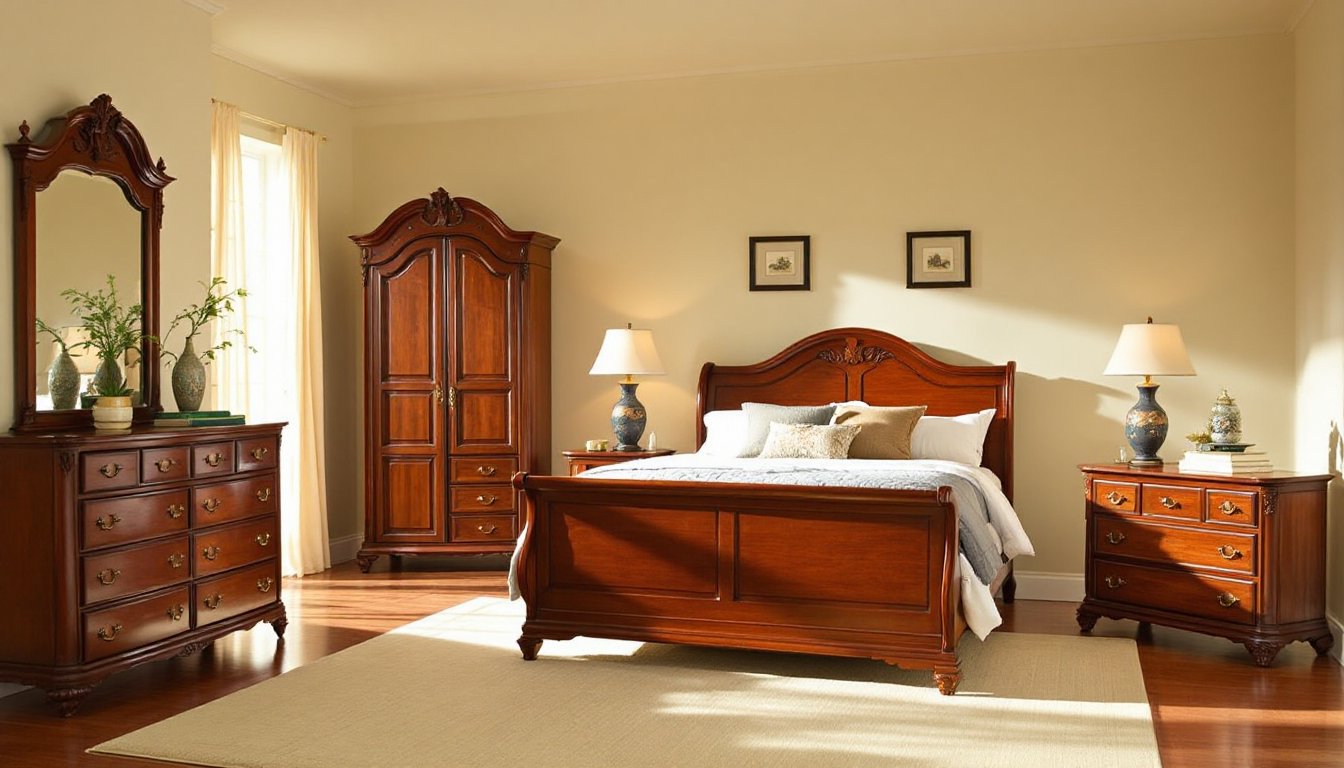
Stanley Furniture has earned its reputation as a maker of high-quality bedroom furniture that holds value and style across decades. Founded in 1924, the brand built its name on solid wood construction, dovetail joinery, and finishes that age gracefully. While Stanley stopped domestic production in 2018, their pieces remain widely available in the resale market and continue to command attention for their durability and classic design. Homeowners who invest in Stanley bedroom furniture aren’t chasing trends, they’re acquiring pieces that function as well in 2026 as they did in 1986. Whether sourcing vintage collections or newer pre-owned sets, understanding what sets Stanley apart helps buyers make informed decisions for their master suite.
Table of Contents
ToggleKey Takeaways
- Stanley bedroom furniture built on solid hardwood, dovetail joinery, and multi-step finishes has proven to retain 40-60% of original value decades later, making it a practical investment for long-term homeowners.
- The brand’s construction methods—including English dovetail drawers, center-guided glides, and mortise-and-tenon bed joinery—deliver durability that resists the wear patterns that compromise mass-market furniture.
- Stanley bedroom furniture collections range from ornate traditional styles like Portfolio and Continuum to transitional options like Moderne Muse and Coastal Living Retreat, allowing homeowners to match both classic and contemporary design preferences.
- Proper room measurement, joinery inspection, and finish cohesion assessment are essential when selecting pre-owned Stanley pieces to ensure pieces fit functionally and aesthetically in your bedroom layout.
- Styling Stanley bedroom furniture with neutral textiles, layered lighting, and 30% contemporary accents preserves the furniture’s character while keeping spaces feeling current and inviting.
What Makes Stanley Bedroom Furniture a Timeless Investment
Stanley Furniture distinguished itself through construction methods that prioritize longevity. Most pieces feature solid hardwood frames, often cherry, oak, or mahogany, rather than particleboard or veneer-over-MDF construction common in budget furniture. Drawers use English dovetail joinery on fronts and French dovetails on backs, a hallmark of quality cabinetry that prevents joints from separating over decades of use.
The company employed center-guided drawer glides and full-extension hardware on many collections, allowing smooth operation even after years of wear. Drawer bottoms are typically solid wood or high-grade plywood, not the flimsy hardboard found in mass-market furniture. These details matter when a dresser needs to support clothing weight and withstand daily opening and closing.
Hand-applied finishes set Stanley apart from factory-line competitors. Multi-step staining and clear-coat processes created depth and richness that improves with age. Minor scratches often blend into the patina rather than exposing raw composite material. This forgiving nature makes Stanley furniture practical for active households.
From a structural standpoint, case pieces (dressers, armoires, chests) often incorporate solid wood backs rather than thin panels. This adds weight and stability, reducing wobble and extending the life of the piece. Bed frames feature mortise-and-tenon joinery on headboards and footboards, with metal bed rail fasteners that accommodate standard mattress sizes and can be adjusted or replaced if needed.
The resale value reflects this quality. Well-maintained Stanley bedroom sets from the 1980s and 1990s often sell for 40-60% of their original retail price, while comparable furniture from the same era typically fetches 10-20%. This durability makes Stanley a practical choice for homeowners planning to stay in their home long-term or those who appreciate furniture that can be refinished rather than replaced.
Popular Stanley Bedroom Furniture Collections and Styles
Traditional and Classic Collections
The Furniture Portfolio line represents Stanley’s traditional aesthetic at its peak. These collections feature ornate carvings, bun feet, and rich cherry or mahogany finishes. Pieces include tall armoires (often 72-84 inches high), nine-drawer dressers, and sleigh beds with curved headboards and footboards. The joinery and finish quality in Portfolio pieces make them standout candidates for restoration projects.
Young America targeted children’s and youth bedrooms but used the same construction standards as adult collections. Solid wood frames, non-toxic finishes, and convertible cribs that transform into toddler beds gave these pieces multi-generational appeal. The collection’s simple lines and durable hardware mean many pieces transition well into guest rooms or home offices after children outgrow them.
Stanley’s Continuum collection leaned into American Colonial revival, with pieces inspired by 18th-century design. Expect to see brass hardware, fluted columns, and dentil molding. These substantial pieces work best in larger master suites (14×16 feet or bigger) where their scale doesn’t overwhelm the space. When evaluating pieces from interior design portfolios, traditional Stanley collections often anchor formal bedroom layouts.
Transitional and Contemporary Options
The Moderne Muse and Avalon Heights collections bridged traditional craftsmanship with cleaner, transitional styling. These pieces eliminate heavy carving in favor of tapered legs, beveled edges, and mixed-finish combinations (such as a white-painted case with natural wood top). Hardware tends toward brushed nickel or oil-rubbed bronze rather than polished brass.
Coastal Living Retreat introduced lighter finishes, weathered whites, driftwood grays, and sandy taupes, that work in beach homes and modern farmhouse interiors. Construction remained solid wood, but the aesthetic shifted toward relaxed elegance. Nightstands from this line often include USB charging ports and felt-lined drawers, reflecting Stanley’s adaptation to contemporary needs before production ceased.
For those exploring modern design approaches alongside classic furniture, Stanley’s transitional collections offer a bridge. The bone inlay work on select Avalon Heights dressers and the geometric fretwork on Moderne Muse mirrors maintain traditional construction while supporting minimalist bedroom design.
How to Choose the Right Stanley Pieces for Your Bedroom
Start by measuring the room and mapping out clearances. A standard nine-drawer dresser (60-66 inches wide, 18-20 inches deep) needs at least 36 inches of clearance in front for drawer operation and movement. Tall armoires require consideration of ceiling height, verify the piece will fit through doorways during delivery. Most Stanley armoires measure 38-42 inches wide but can exceed 80 inches in height.
Match the furniture scale to room proportions. In a 12×12 foot bedroom, a queen sleigh bed, single dresser, and two nightstands typically max out the functional capacity. Larger master suites (16×18 feet or more) can accommodate a full suite: bed, dresser, chest of drawers, armoire, and vanity without crowding.
Inspect joinery and finish condition carefully when buying pre-owned. Check drawer dovetails for separation, pull drawers fully out and examine corner joints. Run your hand along drawer glides: they should operate smoothly without binding. Surface scratches are cosmetic and often refinishable, but deep gouges, water rings, or veneer delamination require professional repair.
Verify bed frame compatibility with modern mattresses. Stanley bed rails typically accommodate standard queen (60×80 inches) and king (76×80 inches) mattress dimensions, but European king or California king sizes may not fit vintage frames. The bed rail fasteners should be metal hook-plate systems or bolt-on rails, both styles remain serviceable and can be replaced if worn.
Consider finish cohesion across pieces. Stanley used named finish codes (Harvest Cherry, Antique Walnut, Weathered White), but slight variation occurred between production years. If assembling a suite from multiple sources, aim for pieces from the same collection and similar production periods. Bring wood samples or high-resolution photos when evaluating potential matches.
Factor in drawer configuration for functional needs. A dresser with three large drawers suits folded sweaters and jeans better than one with nine shallow drawers designed for smaller items. Gentlemen’s chests (tall, narrow dressers) work well in walk-in closets or beside bed frames in tight spaces. Evaluate how existing clothing storage will translate to the drawer depths and widths available.
Styling Tips for Incorporating Stanley Furniture into Your Space
Balance the furniture’s visual weight with lighter textiles and wall treatments. Dark cherry or mahogany pieces pair well with neutral bedding (whites, creams, soft grays) to prevent the room from feeling heavy. If working with a traditional collection featuring ornate details, keep walls in flat or eggshell finishes, matte surfaces let the furniture become the focal point.
Layer lighting to showcase wood grain and finish work. Install dimmer-controlled overhead lighting (recessed cans or a semi-flush mount) as base illumination, then add table lamps on nightstands (proportioned to furniture scale, 16-18 inches tall for standard nightstands). Buffet lamps (30-34 inches) work on dressers and provide task lighting for dressing areas.
Use area rugs to define zones and soften the room acoustically. A 9×12 foot rug works under a queen bed with 18-24 inches extending beyond the footboard and sides. The rug should clear furniture legs, either all legs sit on the rug or all remain off. This prevents uneven settling and keeps the visual line clean.
Mix in contemporary accessories without undermining the furniture’s character. Modern artwork, geometric throw pillows, or sleek bedside lamps introduce current style while respecting Stanley’s traditional craftsmanship. When curating bedroom styling elements, use the 70/30 rule: 70% classic pieces and textiles, 30% contemporary accents.
Address hardware updates thoughtfully. Original brass pulls and knobs suit traditional collections, but transitional pieces benefit from brushed nickel, matte black, or leather pulls. When replacing hardware, measure hole spacing precisely, most Stanley furniture uses 3-inch or 3.75-inch center-to-center spacing on drawer pulls. Keep original hardware even if replacing it: future owners may want to restore the piece to original condition.
Consider refinishing only when necessary. Stanley’s factory finishes age gracefully, developing a patina that adds character. Minor surface scratches often buff out with fine steel wool (0000 grade) and furniture paste wax. Reserve professional refinishing for pieces with deep damage, water stains, or finish delamination. Refinishing can cost $400-$1,200 per piece depending on size and finish complexity, so evaluate whether the investment aligns with the piece’s value and your long-term plans.
Conclusion
Stanley bedroom furniture delivers the intersection of craftsmanship and practicality that homeowners value in 2026. Solid wood construction, proven joinery, and finishes that mature gracefully make these pieces worthwhile investments for those committed to quality. Whether sourcing a complete suite or individual accent pieces, understanding construction details and proper room planning ensures Stanley furniture serves well for decades. The resale market remains active, offering opportunities for patient buyers to assemble collections that blend timeless design with everyday durability.