
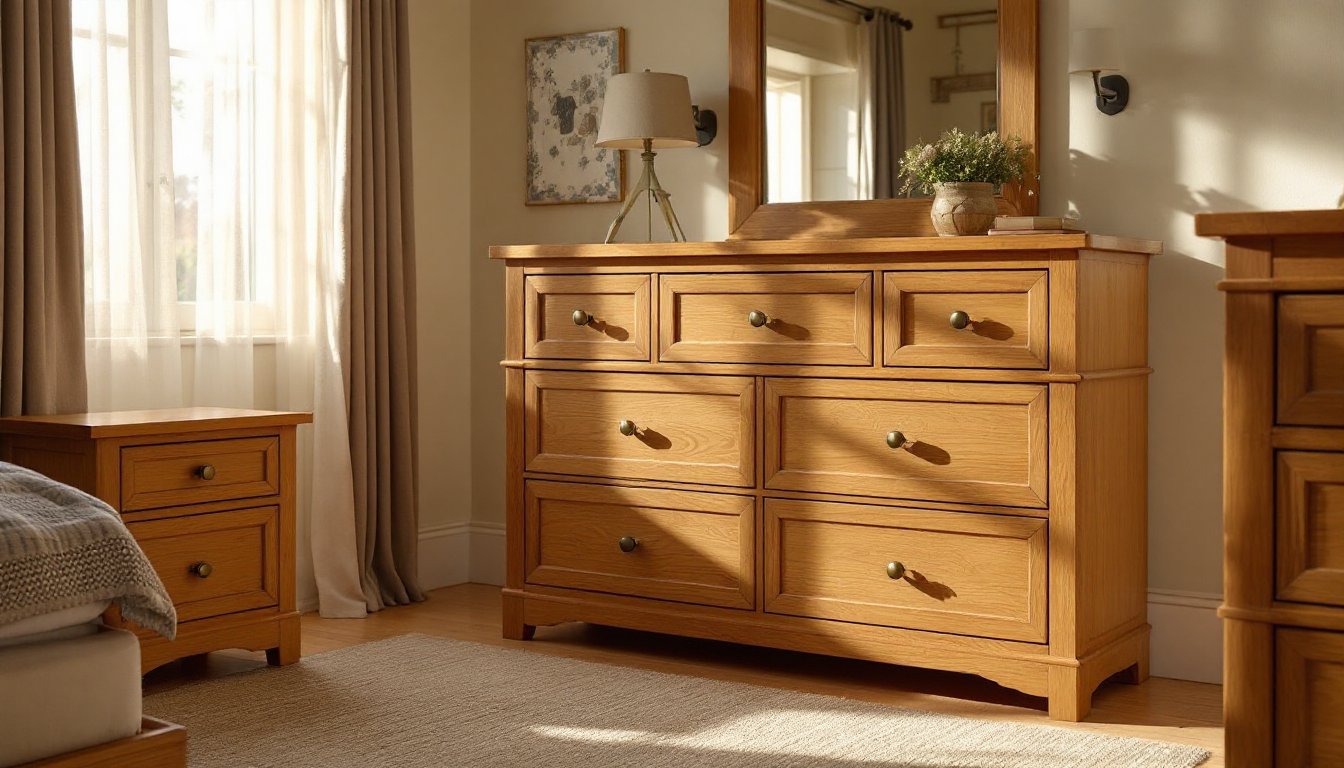
Solid oak bedroom furniture represents one of the most significant investments homeowners can make in their living space. Unlike particleboard or veneer alternatives, solid oak delivers decades of reliable service while developing a richer patina over time. The weight, grain structure, and density of genuine oak are immediately recognizable, and impossible to replicate with composite materials. For DIYers considering restoration projects or homeowners shopping for quality pieces, understanding oak’s unique characteristics helps distinguish genuine value from marketing hype.
Table of Contents
ToggleKey Takeaways
- Solid oak bedroom furniture outperforms composite alternatives by lasting decades while developing richer character, with genuine pieces weighing 150-200 pounds versus 60-80 pounds for veneer equivalents.
- Oak’s Janka hardness rating of 1,290-1,360 combined with its tannin content provides natural resistance to dents, moisture, and decay, making it ideal for humid climates and high-traffic bedrooms.
- Quality construction details like mortise-and-tenon joinery, dovetail drawer joints, and panel design distinguish premium solid oak bedroom furniture from lower-grade pieces and prevent splitting over time.
- Water-based polyurethane and oil-rubbed finishes preserve oak’s warm grain patterns better than dark stains, while progressive sanding through 220-grit and proper surface preparation are essential for professional results.
- Consistent humidity maintenance between 35-55%, immediate spill cleanup, and annual hardware tightening ensure solid oak furniture remains structurally sound and retains its beauty across multiple generations.
- Oak’s sustainability, repairability, and proven resale value make the initial cost premium a worthwhile long-term investment compared to engineered wood that ends up in landfills.
Why Solid Oak Remains the Gold Standard for Bedroom Furniture
Oak’s mechanical properties make it ideal for furniture construction. White oak and red oak, the two primary species used in furniture, both rate between 1,290 and 1,360 on the Janka hardness scale. That’s hard enough to resist dents from dropped objects and daily wear, but still workable with standard woodworking tools.
The open grain structure of oak creates its distinctive cathedral patterns and flame figures. This grain also makes oak exceptionally stable once properly dried and finished. Kiln-dried oak typically reaches 6-8% moisture content, which minimizes expansion and contraction in climate-controlled homes.
Weight tells the truth. A solid oak dresser typically weighs 150-200 pounds, compared to 60-80 pounds for a veneer-over-particleboard equivalent of the same size. That heft comes from the density of the wood, roughly 47 pounds per cubic foot for white oak. If a “solid oak” piece feels suspiciously light, it probably isn’t solid.
Oak’s tannin content provides natural resistance to moisture and decay, which is why it’s been used in barrel-making and shipbuilding for centuries. In bedroom furniture, this translates to longevity even in humid climates or rooms with occasional moisture exposure.
From a sustainability standpoint, oak grows abundantly across North America and Europe. Responsible forestry practices and the tree’s relatively fast growth cycle (50-80 years to maturity) make it more renewable than exotic hardwoods like mahogany or teak.
Types of Solid Oak Bedroom Furniture to Consider
Bed Frames and Headboards
Platform bed frames constructed from solid oak eliminate the need for box springs. Look for frames with mortise-and-tenon joinery or heavy-duty dowel construction, these methods have held furniture together for centuries and vastly outperform pocket screws or glued butt joints.
A quality oak headboard should be built from 3/4″ or thicker stock. Panel construction, where a thinner center panel floats in a grooved frame, allows for wood movement without cracking. This traditional technique is standard in high-quality pieces and prevents the splitting that occurs when wide boards are rigidly fastened.
Four-poster and sleigh bed frames showcase oak’s ability to handle structural loads. The posts on a four-poster oak bed typically measure 3″ × 3″ or 4″ × 4″ (actual dimensions), providing both visual weight and the structural capacity to support canopy frames if desired.
Many woodworking project plans include bed frame designs for experienced DIYers, though joining heavy oak beams requires a well-equipped workshop and understanding of load distribution.
Dressers, Wardrobes, and Storage Solutions
Dresser construction reveals quality differences quickly. Dovetail drawer joints, ideally through-dovetails visible on the drawer front or half-blind dovetails, indicate hand-crafted or high-grade production. Drawer boxes should be solid wood (oak, maple, or poplar), not stapled particle board.
Check that drawer slides are rated for at least 75-100 pounds. Undermount soft-close slides work well with oak’s weight, while side-mounted slides should be ball-bearing type, not plastic roller.
Wardrobes and armoires demand attention to back panel construction. Quality pieces use shiplap oak boards or frame-and-panel backs, not 1/4″ luan plywood. The additional material cost is minor compared to the structural integrity and longevity gained.
Storage chests at the foot of the bed benefit from lift-assist hardware when constructed from solid oak, since a lid made from 3/4″ oak boards gets heavy quickly. Plan for 35-40 pounds per square yard of 3/4″ oak.
Nightstands in solid oak should feature breadboard ends on the top surface, this traditional edge treatment allows the central panel to expand and contract with humidity changes while keeping the edges straight. Without this detail, wide solid-wood tops can cup or crack over time.
How to Choose the Right Oak Finish for Your Bedroom
Natural or clear finishes preserve oak’s warm honey tones and prominent grain. Water-based polyurethane maintains color better than oil-based versions, which amber significantly over time. Expect 350-400 square feet of coverage per gallon on oak’s open grain, less than maple or cherry.
Oil-rubbed finishes using tung oil or Danish oil penetrate the grain rather than sitting on the surface. These finishes require reapplication every 1-2 years but make minor scratches nearly invisible and simplify touch-up work. Apply with lint-free cloths, allowing 8-12 hours between coats.
Stained oak ranges from golden pecan to espresso. Darker stains obscure oak’s grain patterns, which some consider a waste of oak’s visual character. If choosing dark finishes, consider using country-style design elements that complement the wood’s traditional aesthetic.
Pre-catalyzed lacquer provides the most durable finish for high-traffic pieces like dressers. It requires spray equipment and proper ventilation (respirator, not just a dust mask), making it a professional finish for most DIYers. Conversion varnish offers similar durability with slightly easier application.
Whitewashed or limed oak creates a contemporary look while maintaining grain visibility. This technique uses diluted white paint or specialized liming wax worked into the grain, then wiped off the surface. Test on scrap oak first, red oak’s coarser grain accepts liming more aggressively than white oak.
Whatever finish you choose, surface preparation determines results. Sand progressively through 80, 120, 150, and 220-grit. Skipping grits or stopping at 150 will show in the final finish. Raise the grain with a damp cloth before final sanding to prevent grain raise after the first finish coat.
Caring for and Maintaining Your Solid Oak Furniture
Dust weekly with a microfiber cloth or soft brush attachment. Oak’s open grain traps dust more readily than closed-grain woods. Avoid feather dusters, which just redistribute particles.
Clean spills immediately with a barely damp cloth, then dry thoroughly. Water left on finished oak can create white rings if it penetrates the finish layer. For existing water rings, try buffing with 0000 steel wool dipped in mineral spirits, following the grain.
Wax finished surfaces every 6-12 months using paste wax (not spray wax, which contains silicone). Apply thin coats, let haze, then buff with clean cotton cloths. This builds protective layers and adds depth to the finish.
Avoid placement near heat sources. Position oak furniture at least 2 feet from radiators, baseboard heaters, and forced-air vents. Rapid temperature cycling dries wood unevenly, causing cracks and joint failure.
Maintain consistent humidity between 35-55% year-round. Use a humidifier in winter heating seasons and dehumidifiers in humid summers. A cheap hygrometer (under $15) monitors conditions accurately.
Tighten hardware annually. Oak’s density holds screws well, but wood movement from seasonal humidity changes can loosen drawer pulls and bed frame bolts. Check and snug all visible fasteners once yearly.
Address scratches promptly. Minor scratches in stained oak can be touched up with matching stain markers. For natural finishes, rub a walnut meat along the scratch, the natural oils darken the exposed wood fibers. Deeper gouges require sanding and refinishing that section.
Refinishing becomes necessary when finishes wear through to bare wood in high-contact areas. Oak strips and re-finishes well, often multiple times over its lifespan. Chemical strippers work faster than sanding for intricate carvings, but require proper PPE including chemical-resistant gloves and respirator. Citrus-based strippers are less toxic but slower-acting than methylene chloride formulas.
Conclusion
Solid oak bedroom furniture delivers measurable advantages: structural integrity that lasts generations, repairability that composite materials can’t match, and a proven resale value. The initial cost premium over veneer or engineered wood pays dividends through decades of service. Whether buying vintage pieces for restoration or investing in new construction, understanding oak’s properties, finishes, and maintenance requirements ensures the furniture performs as intended, long after lighter alternatives have hit the landfill.