
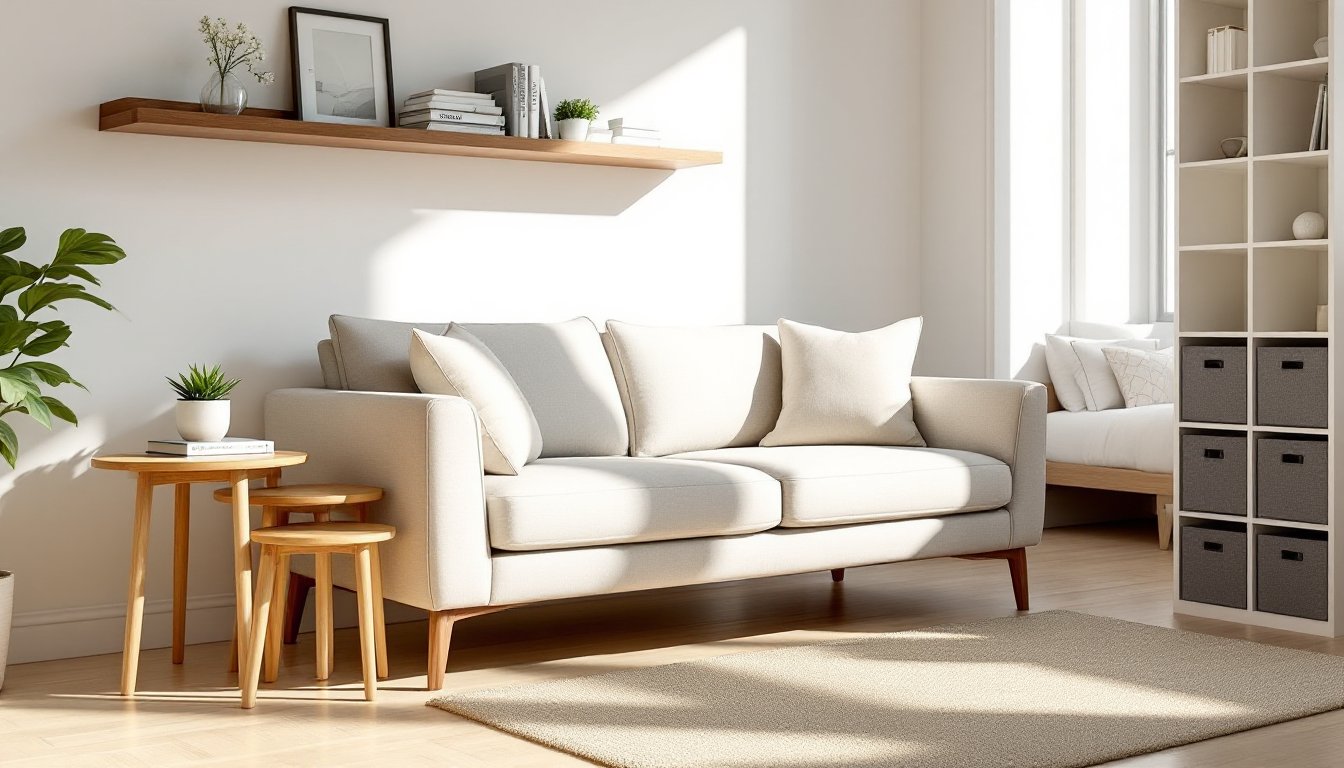
Living in a small apartment doesn’t mean sacrificing comfort or aesthetics. The right furniture choices transform cramped quarters into functional, livable spaces that feel open and organized. Poor furniture selection, on the other hand, creates bottlenecks, wasted vertical space, and rooms that feel even smaller than they are. This guide walks through practical furniture picks and layout strategies that maximize every square foot without compromising style or utility.
Table of Contents
ToggleKey Takeaways
- Small apartment furniture must balance functionality with physical constraints, choosing proportional, apartment-scale pieces about 20% smaller than standard sizes to maximize usable floor space.
- Multi-functional furniture like sofa beds, storage ottomans, expandable tables, and platform beds with built-in drawers eliminate the need for dedicated pieces and significantly reduce clutter in compact spaces.
- Maximize vertical storage with tall bookcases (72–84 inches), wall-mounted shelves, and floating units to draw attention upward and free up valuable floor area.
- Float furniture 12–18 inches away from walls and ensure traffic lanes are at least 30–36 inches wide to create flow, depth, and a larger-feeling layout in small apartments.
- Use pieces with exposed legs, glass tops, and reflective surfaces to reduce visual weight and create sight lines that prevent a boxed-in feeling.
- Stick to a limited color palette of three main colors, one or two wood finishes, and minimal patterns to create a cohesive, intentional design that helps small spaces feel organized rather than cluttered.
Why Choosing the Right Furniture Is Critical for Small Apartments
Furniture in a small apartment serves two jobs: it needs to function well and fit the physical constraints of the space. Oversized sectionals, bulky armoires, and deep dressers eat up floor area and create visual clutter. Every piece should earn its footprint.
Proportionality matters. A standard three-seater sofa typically measures 84–90 inches wide, fine for a spacious living room, but overwhelming in a 10×12-foot space. Instead, opt for apartment-scale furniture, which runs about 20% smaller in overall dimensions but maintains comfort. Look for pieces with exposed legs, which create sight lines to the floor and make rooms feel less crowded.
Vertical storage is underutilized in most small apartments. Wall-mounted shelving, tall bookcases (ideally 72–84 inches high), and stacked storage units pull attention upward and free up floor space. When selecting furniture, think in three dimensions: height, width, and depth all impact how a room breathes.
Transparency and reflectivity also play a role. Glass-top tables, acrylic chairs, and mirrored surfaces reduce visual weight. They’re not essential, but they help in tight layouts where solid, opaque furniture would create a boxed-in feeling.
Multi-Functional Furniture Pieces Every Small Apartment Needs
Sofa Beds and Convertible Seating
A quality sofa bed or futon eliminates the need for a dedicated guest bed, which most small apartments can’t accommodate. Modern mechanisms have improved significantly, look for models with memory foam mattresses (at least 4 inches thick) and steel or hardwood frames. Avoid bar-spring designs, which sag and create uncomfortable sleep surfaces.
Murphy beds (wall beds) are another option, particularly in studio apartments. These fold vertically into a cabinet or wall recess when not in use. Installation requires wall anchoring into studs, and the unit itself weighs 150–300 pounds depending on mattress size. If you’re renting, confirm with your landlord before mounting.
Ottomans with hinged lids serve triple duty: seating, footrest, and hidden storage. Choose models with solid construction, particleboard frames won’t hold up under regular use. A 36×18-inch storage ottoman can hold blankets, off-season clothing, or extra linens.
Expandable Dining Tables and Nesting Coffee Tables
Drop-leaf and expandable dining tables adapt to different needs. A table that seats two for daily meals can extend to accommodate six for dinner parties. Look for self-storing leaves, models where the extension folds underneath the tabletop, to avoid stashing a separate leaf in a closet.
Nesting tables (usually sold in sets of two or three) tuck together when not needed and pull apart for extra surface area. They’re ideal for small living rooms where a single large coffee table would dominate the floor plan. Many creative furniture modifications turn basic nesting tables into custom storage solutions with simple hardware additions.
Space-Saving Storage Solutions That Double as Decor
Storage doesn’t have to mean plastic bins shoved under the bed. Furniture that integrates storage keeps clutter hidden while contributing to the room’s design.
Platform beds with built-in drawers eliminate the need for a separate dresser. These typically feature two to four drawers in the base, each about 24 inches deep. Assembly is straightforward, most use cam-lock hardware and dowels, but you’ll need a drill and an hour or two. Measure your bedroom doorway before buying: some platform beds ship in large panels that won’t fit through a standard 30-inch residential door.
Cube organizers (like the common 6-cube or 9-cube units) offer modular storage that adapts to different needs. Use fabric bins for soft goods, baskets for accessories, or leave some cubes open for books and decor. Wall-mounting these units (using L-brackets secured into wall studs) frees up floor space and prevents tipping, important if you have kids or pets.
Floating shelves provide visible storage without the bulk of a bookcase. Install them above desks, sofas, or in kitchens for spices and small appliances. Use #8 screws (at least 2 inches long) driven into studs for weight-bearing shelves. Hollow-wall anchors work for lightweight decor, but they won’t support books or dinnerware.
Bench seating with lift-up seats works well in entryways or at the foot of a bed. Look for solid wood or plywood construction: MDF (medium-density fiberboard) won’t hold up to repeated opening and closing. Upholstered versions add a finished look and double as extra seating when guests visit.
Furniture Layout Strategies to Make Your Apartment Feel Larger
Layout matters as much as the furniture itself. Poor placement creates dead zones, blocks natural light, and makes movement awkward.
Float furniture away from walls. It sounds counterintuitive, but pulling a sofa 12–18 inches off the wall creates a sense of depth and allows for flow around the piece. In a small living room, this can actually make the space feel larger by defining distinct zones.
Create traffic lanes. Main walkways should be at least 30–36 inches wide, wide enough to move comfortably without turning sideways. Measure your space and map out paths before committing to furniture placement. If you’re constantly shuffling around a coffee table, it’s too big or poorly positioned.
Anchor with area rugs. A rug defines a seating or dining area and visually organizes the space. The rug should extend 12–18 inches beyond the furniture edges on all sides. In a small apartment, one larger rug often works better than multiple small ones, which can chop up the floor plan.
Use vertical zoning. In a studio or one-bedroom, furniture can create implied boundaries between sleeping, working, and living areas. A bookcase turned perpendicular to the wall acts as a room divider without blocking light or airflow. Low-profile options (48 inches or shorter) maintain sightlines while providing separation.
Many apartment decor solutions emphasize flexible layouts that adapt as needs change, critical for renters or anyone anticipating lifestyle shifts.
Style and Design Tips for Small Apartment Furniture
Cohesive design makes small spaces feel intentional, not cluttered. A few consistent choices go a long way.
Stick to a limited color palette. Three main colors (plus neutrals) create harmony without monotony. In small apartments, lighter tones, whites, grays, soft blues, reflect light and keep rooms feeling airy. Darker furniture can work, but use it sparingly and balance with lighter walls and textiles.
Choose furniture with exposed legs. Pieces that sit directly on the floor create visual heaviness. Sofas, chairs, and storage units with visible legs (ideally 4–6 inches high) allow light to pass underneath, making the room feel less crowded.
Match wood tones. Mixing oak, walnut, and pine in a single room creates visual noise. Pick one or two wood finishes and repeat them across furniture and shelving. If you’re working with hand-me-downs or secondhand finds, consider DIY furniture refinishing to unify mismatched pieces.
Limit patterns and textures. One patterned rug or a few accent pillows add interest, but too many competing designs make a small space feel chaotic. Stick to solid colors for large furniture and introduce pattern through smaller, changeable items.
Scale artwork appropriately. A single large piece (or a gallery wall with consistent spacing) reads better than scattered small frames. Leave at least 3–6 inches between framed pieces for a clean, organized look.
Mind the sightlines. When you walk through your front door, what do you see first? Arrange furniture so that key focal points, a nice window, a piece of art, a well-styled shelf, draw the eye, not clutter or awkward angles. Small adjustments to placement can shift the entire feel of a room.