
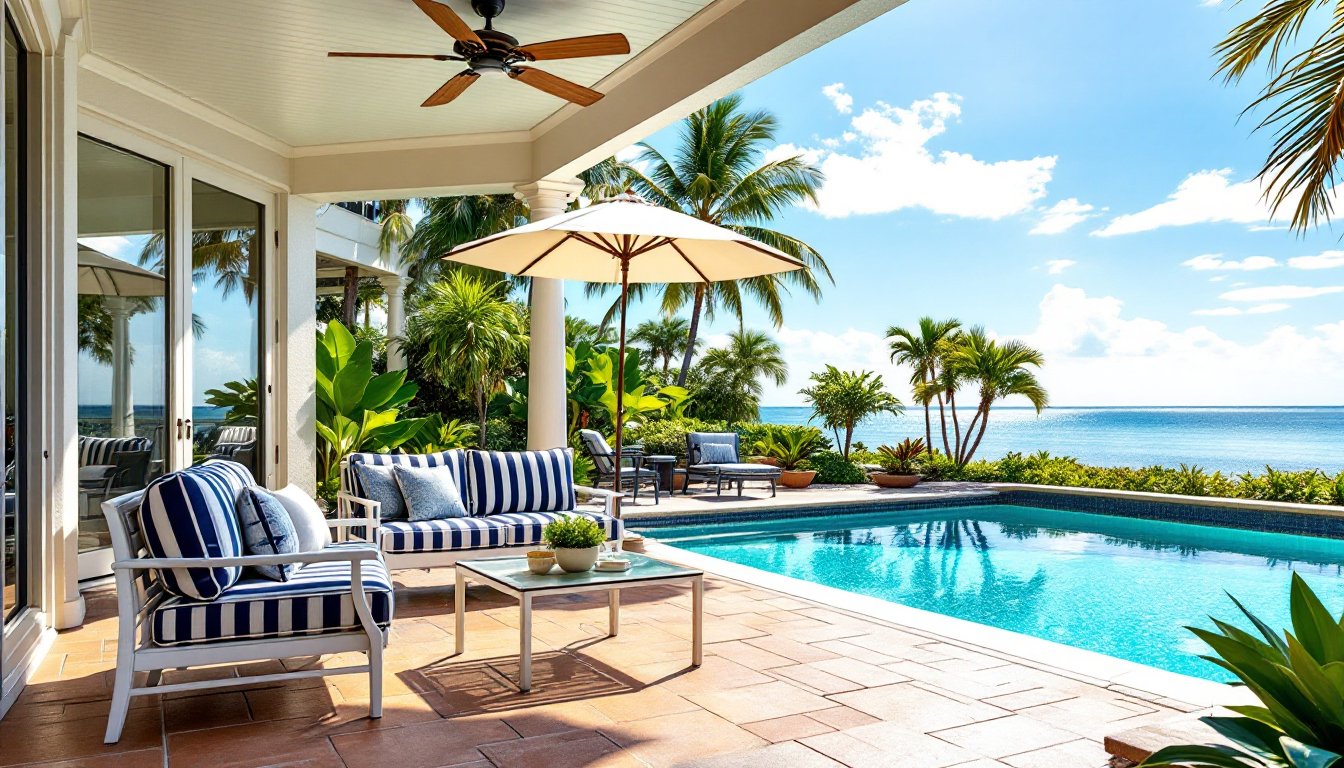
Bradenton sits where Gulf breezes meet relentless Florida sun, salt spray, and humidity that tests every outdoor material. Choosing patio furniture here isn’t just about style, it’s about understanding what survives and what fails after one summer. The wrong cushions mildew in weeks. The wrong frame corrodes before hurricane season ends. But get the materials and sourcing right, and a well-chosen set becomes the backbone of year-round outdoor living. This guide walks through what works in Bradenton’s coastal climate, where to shop locally, and how to maintain furniture so it lasts more than a season or two.
Table of Contents
ToggleKey Takeaways
- Bradenton’s coastal climate—salt spray, 74% humidity, and intense UV exposure—requires patio furniture rated for marine or coastal environments to survive more than one or two seasons.
- Powder-coated aluminum frames with stainless steel fasteners and UV-stabilized resin wicker are the most reliable material choices for Bradenton patio furniture, delivering 5–8 years of durability with proper maintenance.
- Solution-dyed acrylic cushions (Sunbrella brand) paired with quick-dry foam cores and YKK zippers outperform polyester alternatives in mold resistance and salt corrosion prevention.
- Mid-range patio furniture ($800–$2,000) offers the best value in Bradenton’s market; budget sets last only 1–3 years while premium options ($2,500+) justify higher costs through 15–20 year lifespans.
- Monthly freshwater rinsing and seasonal deep cleaning are essential maintenance tasks that extend the life of patio furniture and prevent rust, mildew, and salt buildup in Bradenton’s harsh environment.
- Local showrooms on Cortez Road West and State Road 64 East allow in-person inspection of weld quality and material grades before purchase, reducing the risk of freight damage and assembly errors common with online imports.
Why Bradenton’s Climate Makes Patio Furniture Selection Crucial
Bradenton’s outdoor furniture faces a brutal trifecta: UV exposure that breaks down plastics and fades fabrics, salt air from the Gulf that accelerates metal corrosion, and humidity averaging 74% year-round that fosters mold and mildew growth. Unlike inland Florida cities, coastal locations like Bradenton add salt spray to the mix, which penetrates welds, fasteners, and finishes.
Temperatures regularly hit the low 90s from May through September, with feels-like temps over 100°F. Metal frames left in direct sun become untouchable without a towel. Resin and plastic components can warp or become brittle after two to three seasons if they’re not UV-stabilized. And while Bradenton doesn’t freeze, the winter dry season (November through April) brings its own challenge: rapid moisture swings that crack unsealed wood and loosen joints.
Tropical storms and hurricanes are another factor. Even if a set isn’t destroyed, wind-driven rain and debris test every seam and finish. Furniture that isn’t rated for coastal exposure shows rust stains, peeling powder coat, or frame flex within a year. Choosing materials rated for marine or coastal environments isn’t overkill, it’s the baseline for anything expected to last.
Top Patio Furniture Stores and Showrooms in Bradenton
Bradenton has a mix of national chains and local showrooms, each with different strengths. Ashley HomeStore on Cortez Road West carries a range of outdoor sets, from budget aluminum frames to cushioned deep-seating collections. Stock rotates seasonally, so visiting in late winter or early spring offers the widest selection.
Rooms To Go Patio on State Road 64 East focuses on complete sets, dining tables, conversation groups, and daybeds, with frequent promotions. They stock brands like Tommy Bahama Outdoor and their own house lines. Delivery and assembly are available, which matters when dealing with sectional sofas or heavy stone-top tables.
For higher-end or custom options, patio furniture professionals in the area provide personalized service and often carry commercial-grade lines not found in big-box stores. These showrooms let buyers compare frame gauges, cushion densities, and finish warranties side by side.
Costco and Sam’s Club both carry seasonal outdoor furniture with strong return policies, useful if testing a material type for the first time. Lowe’s and The Home Depot stock year-round basics, resin wicker, aluminum dining sets, and replacement cushions, but inventory depth varies.
Shopping locally allows for in-person inspection of weld quality, cushion zippers, and finish consistency. Online orders can work, but freight damage and assembly errors are common with flat-pack imports.
Best Materials for Patio Furniture in Florida’s Coastal Environment
Material choice determines whether a set lasts two years or twenty in Bradenton. Each option has trade-offs in cost, maintenance, and durability.
Powder-coated aluminum is the coastal workhorse. It won’t rust, stays cool enough to touch even in direct sun (unlike steel), and weighs little enough to move before a storm. Look for frames with marine-grade powder coating and stainless steel fasteners, not zinc-plated, which corrodes. Welded joints outlast bolted assemblies. Expect to pay $800–$2,000 for a quality four-piece conversation set.
All-weather wicker (resin wicker over aluminum or steel frames) is popular for its look and comfort. The resin must be UV-stabilized HDPE (high-density polyethylene) to avoid brittleness. Cheap wicker cracks within two seasons. Check the weave density and whether the frame is aluminum or steel, steel frames rust through the wicker if the powder coat chips. Brands like Forever Patio and Sunset West use proper materials: no-name imports often don’t.
Teak is the premium wood option. It weathers to silver-gray if left untreated and resists rot and insects naturally. But, it requires annual cleaning and optional oil treatments to maintain color. Teak is expensive, $1,500+ for a simple bench, but can last decades. Avoid eucalyptus or acacia marketed as “teak alternatives”: they don’t hold up in salt air without constant sealing.
Marine-grade stainless steel (316 grade, not 304) handles salt spray better than any other metal but costs significantly more. It’s common in commercial coastal settings but rare in residential.
Recycled plastic lumber (e.g., Polywood) is nearly indestructible and requires zero maintenance, though it lacks the refined look of metal or wood. It won’t splinter, fade, or harbor mold. Color options are limited, and it can feel plasticky to the touch.
Avoid wrought iron, untreated steel, and soft woods like pine. They rust, rot, or corrode in Bradenton’s climate unless maintained obsessively.
Weather-Resistant Options
For cushions and fabrics, solution-dyed acrylic (Sunbrella is the benchmark brand) resists UV fading and mildew far better than polyester or cotton blends. The color is embedded in the fiber, not surface-dyed, so it won’t wash out. Cushion cores should be quick-dry foam wrapped in a moisture barrier, not standard polyurethane that soaks up water and mildews.
Look for cushions with YKK zippers (they resist salt corrosion better than generic hardware) and removable covers for washing. Store cushions during heavy rain or invest in a ventilated storage box, sealed plastic bins trap moisture and cause mold.
Umbrellas should have Sunbrella or Outdura canopies and powder-coated aluminum or fiberglass ribs. Steel ribs rust quickly. A vented canopy reduces wind load and prevents flipping in gusts. Crank-lift and tilt mechanisms add convenience but are additional corrosion points, rinse them with fresh water monthly if near the coast.
Popular Patio Furniture Styles for Bradenton Homes
Bradenton’s outdoor aesthetic leans coastal casual, lots of white, navy, and aqua tones, with wicker or teak frames and nautical accents. Deep-seating sectionals with oversized cushions are popular for poolside lounging, often paired with a gas fire table as a centerpiece. Conversation sets (two chairs, a loveseat, and a coffee table) fit smaller patios and screened lanais common in older neighborhoods.
Dining sets range from compact bistro tables (perfect for balconies) to 8-person aluminum or teak tables for covered patios. Extendable tables are practical for entertaining but add mechanical complexity, more points for salt and moisture to cause issues. Sling-back dining chairs (mesh fabric stretched over a frame) dry faster than cushioned seats and require less storage.
For design inspiration that balances function and aesthetics, many homeowners look to resources that emphasize coastal outdoor living ideas to adapt regional styles.
Daybeds and chaise lounges are common around pools. Look for adjustable backs and wheels for repositioning. Avoid designs with complex reclining mechanisms unless they’re stainless steel or heavily sealed, salt spray jams cheaper systems.
Bar-height sets work well on rooftop patios or beside outdoor kitchens. Swivel bar stools add comfort but require periodic lubrication of the swivel plate to prevent seizing.
Avoid overly trendy finishes (rose gold, matte black on outdoor metal) that show wear quickly in harsh climates. Stick with classic powder coat colors and timeless silhouettes for better resale value and longer visual appeal.
Budget-Friendly vs. Premium: What to Expect in Bradenton’s Market
Budget sets (under $600 for a four-piece conversation group) are usually resin wicker over thin-gauge steel frames, with polyester cushions. They’ll last 1–3 years in Bradenton’s climate before frames rust through or wicker cracks. Suitable for renters or those testing an outdoor setup, but not a long-term investment.
Mid-range options ($800–$2,000) include powder-coated aluminum frames, UV-stabilized resin wicker, and Sunbrella cushions. Expect 5–8 years of use with routine maintenance. Brands like Hampton Bay, Better Homes & Gardens (yes, the magazine line sold at Walmart), and Christopher Knight Home fall here. Better Home and Garden outdoor furniture collections offer solid value if inspected for frame quality and proper fasteners.
Premium sets ($2,500+) feature marine-grade materials, commercial-grade welds, deeper cushions, and longer warranties (often 5–10 years on frames). Brands like Kingsley Bate (teak), Brown Jordan (aluminum), and Gloster deliver heirloom-quality pieces that can last 15–20 years. The cost-per-year often beats replacing budget sets every two seasons.
Bradenton pricing runs slightly higher than inland Florida due to freight costs and market demand in coastal areas. Sales peak in late summer and early fall when stores clear inventory, discounts of 30–50% are common. Scratch-and-dent sections offer deeper savings if cosmetic flaws don’t matter.
Financing is widely available, but interest rates vary. Paying cash or using a 0% APR promo (common at major retailers) avoids long-term costs. Factor in delivery fees ($100–$300 depending on distance and set size) and optional assembly ($75–$200).
Maintenance Tips for Long-Lasting Outdoor Furniture
Coastal furniture maintenance isn’t optional in Bradenton, it’s the difference between five years and fifteen.
Monthly tasks: Rinse all frames, joints, and hardware with fresh water from a hose to remove salt residue. Pay attention to crevices where salt accumulates. Wipe down glass tabletops with a microfiber cloth and glass cleaner to prevent mineral deposits from sprinkler overspray. Inspect cushion covers for mildew spots, small patches can be treated with a 10:1 water-to-bleach solution (test on a hidden seam first).
Seasonal tasks: Wash Sunbrella cushion covers in cold water with mild detergent (no bleach unless spot-treating). Air dry only, heat sets stains and can shrink fabric. Tighten any loose bolts or screws with a socket wrench or hex key. Apply a coat of car wax to powder-coated frames to protect the finish and make future cleaning easier. Teak furniture benefits from a scrub with teak cleaner and a stiff brush, followed by teak oil if maintaining the original honey color (or leave it to silver naturally).
Storm prep: Store lightweight pieces in a garage or shed. Anchor heavier sets with tie-down straps or move them against a sheltered wall. Remove and store all cushions, umbrellas, and accessories. A sectional left unsecured can become a projectile in 70+ mph winds.
Winter care: Even though Bradenton winters are mild, covering furniture with breathable, UV-resistant covers (not plastic tarps, which trap moisture) extends lifespan. Vent covers slightly to prevent condensation buildup.
Rust and corrosion: Catch rust early. Sand the spot with 120-grit sandpaper, clean with rubbing alcohol, and touch up with matching outdoor spray paint or a rust converter product. Once rust spreads under powder coat, the frame is compromised.
For additional care strategies that align with garden and outdoor design principles, keeping furniture clean and protected enhances the overall landscape aesthetic.
Safety note: Always wear gloves and safety glasses when using cleaning chemicals, power washing, or sanding metal. Wear a dust mask if sanding teak or painted surfaces.