
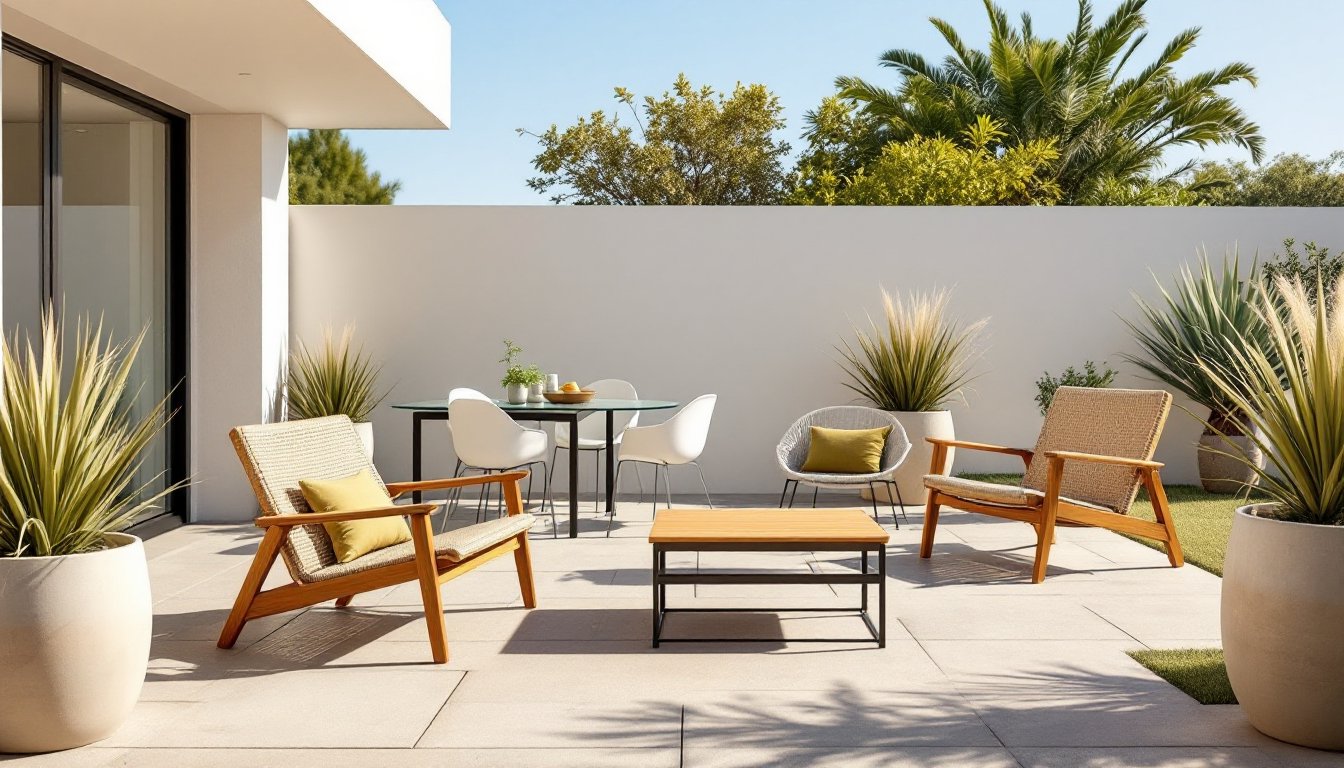
Mid-century modern design isn’t just for living rooms anymore. The clean lines, organic forms, and functional beauty that defined the 1950s and ’60s translate surprisingly well to outdoor spaces, particularly patios and decks where simplicity and durability matter. MCM patio furniture brings that iconic aesthetic outside, combining weather-resistant materials with timeless style. Whether you’re replacing worn-out plastic chairs or building a new outdoor room from scratch, understanding what makes MCM outdoor furniture distinct will help you create a cohesive, livable space that doesn’t feel like a showroom.
Table of Contents
ToggleKey Takeaways
- MCM patio furniture features clean lines, tapered legs, and elevated designs that prioritize function and form equally, making it ideal for outdoor spaces of all sizes.
- Quality MCM patio furniture uses weather-resistant materials like teak, powder-coated aluminum, and UV-stabilized synthetic cord that handle moisture and sun exposure better than untreated wood or mild steel.
- The elevated stance and slatted construction of MCM outdoor pieces reduce water pooling and rot while maintaining visual breathing room on small patios.
- Invest in quality outdoor cushions with quick-dry foam and solution-dyed acrylic covers, as MCM furniture typically lacks thick cushions and can feel uncomfortable without proper padding.
- Maintain your MCM patio furniture with a simple schedule: weekly debris removal, monthly washing with mild soap, and seasonal teak oiling or hardware inspections to ensure longevity.
- Style your MCM patio with restrained color palettes, architectural plants, and geometric rugs while maintaining 24-inch spacing between pieces to preserve the airy aesthetic that defines the mid-century modern approach.
What Is MCM Patio Furniture?
Mid-century modern (MCM) patio furniture refers to outdoor pieces that echo design principles from roughly 1945 to 1970. Think low-slung profiles, tapered legs (often splayed at angles), geometric shapes, and minimal ornamentation. The aesthetic prioritizes function and form equally, no fussy scrollwork or unnecessary bulk.
Key characteristics include:
- Clean, straight lines with subtle curves where ergonomics demand them
- Mixed materials: teak frames with metal accents, woven rope or cord seats, molded plastic or fiberglass shells
- Elevated designs: furniture sits off the ground on angled legs rather than squatting directly on decking or pavers
- Neutral or bold color palettes: natural wood tones, white, black, olive green, burnt orange, and mustard yellow
Authentic vintage MCM outdoor furniture (from manufacturers like Brown Jordan, Homecrest, or Woodard) can command high prices and may require restoration. Modern reproductions and MCM-inspired lines offer similar aesthetics with contemporary weatherproofing and warranty coverage. For homeowners, the distinction matters mostly in budget and maintenance expectations.
Why Choose Mid-Century Modern for Your Outdoor Space?
MCM design works outdoors for practical reasons, not just style points. The elevated stance keeps furniture off wet surfaces, reducing rot and staining on wood components. Slatted seats and backs allow water to drain instead of pooling. Lightweight construction (a hallmark of mid-century design) makes rearranging furniture easier, crucial when you’re hosting or chasing shade.
From a design perspective, MCM furniture scales well on small patios. Bulky traditional or overstuffed sectionals can overwhelm a 10×12 deck: low-profile MCM pieces maintain sightlines and create visual breathing room. The style also plays well with a range of architectural contexts, mid-century ranch homes, obviously, but also contemporary builds, minimalist landscapes, and even some transitional styles.
Materials matter here. Quality MCM outdoor furniture uses teak, powder-coated aluminum, or stainless steel for frames, all of which handle UV exposure and moisture better than untreated softwoods or mild steel. Woven elements (rope, vinyl cord, or synthetic rattan) dry quickly and resist mildew when properly maintained.
One caveat: MCM furniture often lacks thick cushions or deep seats. If you want a patio for afternoon naps, you’ll need to budget for quality outdoor cushions with quick-dry foam cores and solution-dyed acrylic covers (common brand: Sunbrella). Don’t skip this, thin cushions on a wood frame get uncomfortable fast.
Essential MCM Patio Furniture Pieces for Your Home
Lounge Chairs and Seating
Lounge chairs are the workhorses of an MCM patio. Look for designs with adjustable backs (typically two or three recline positions) and frames that sit 12–16 inches off the ground. Teak or eucalyptus wood frames age to a silver-gray patina if left untreated: apply teak oil annually if you prefer the warm honey tone.
Constructions with woven rope or vinyl cord seats and backs are iconic MCM details. These materials stretch slightly over time but can be re-woven (a project that requires patience and upholstery supplies but no special tools beyond a rubber mallet and needle-nose pliers). Vintage pieces often need this work: modern reproductions use UV-stabilized synthetic cord that lasts longer.
Sectional seating in MCM style tends to be modular: individual chairs or two-seat loveseats that can be arranged in L-shapes or lines. Avoid sets that come with permanently attached ottomans or built-in side tables, they reduce flexibility. Instead, pair seating with separate side tables or nesting tables.
Safety note: Always check weight ratings, especially on vintage frames. Aluminum and steel frames typically support 250–300 pounds: wood frames vary. If a joint feels loose, reinforce it before use, outdoor furniture takes more racking stress than indoor pieces due to uneven surfaces and wind.
Dining Sets and Tables
Dining tables in MCM style are often rectangular with straight legs or pedestal bases. Expect dimensions around 60–72 inches long and 36–40 inches wide for a six-person setup. Materials include teak planks, powder-coated steel with tempered glass tops, or molded concrete (a modern take on mid-century terrazzo aesthetics).
Glass-top tables need tempered safety glass rated for outdoor use (minimum 1/4-inch thickness). Standard annealed glass will shatter dangerously in temperature swings or impacts. If buying vintage, verify the glass type or replace it.
Chairs for dining should have seat heights of 17–19 inches to pair with standard 28–30 inch table heights. Stackable designs (like the classic molded plastic shell chair on metal legs) save storage space in winter. Many homeowners overlook furniture storage in climates with freeze-thaw cycles, MCM aluminum and teak can stay outside year-round in mild zones, but rope and fabric elements fare better under cover or indoors.
For a cohesive outdoor setup that balances MCM aesthetics with contemporary comfort, pairing these pieces with accents from a Better Home and Garden collection can extend your design palette without losing the mid-century thread.
Materials That Define MCM Outdoor Furniture
Teak remains the gold standard. Its natural oils resist rot, insects, and UV degradation. Expect to pay $800–2,500 for a quality teak lounge chair. Actual teak (Tectona grandis) outperforms lookalikes like shorea or acacia, though those are serviceable budget alternatives. Teak weathers to gray unless sealed: most purists prefer the patina.
Powder-coated aluminum offers the MCM look at lower weight and cost. Quality powder coating (applied electrostatically and baked at 400°F) resists chipping and fading for 5–10 years. Avoid thin-wall extrusions (less than 1.5mm wall thickness), they dent easily. Welded joints outlast riveted or bolted construction in high-wind areas.
Stainless steel (grade 304 or 316) handles coastal salt air better than aluminum but costs more and conducts heat, metal frames get hot in direct sun. Use cushions or choose designs with wood or woven contact surfaces.
Rope and cord: Vintage pieces used cotton or hemp (which rot): modern designs use polyester, polypropylene, or vinyl. These synthetics resist mildew and UV but still benefit from occasional cleaning with mild soap and a soft brush. Re-tensioning or replacing worn cord is a weekend project, kits and tutorials are widely available.
Plastic and fiberglass: Molded shell chairs (inspired by Eames designs) now come in weather-resistant polypropylene or fiberglass-reinforced resin. These are lightweight, stackable, and affordable ($100–400 per chair). UV inhibitors prevent brittleness, but cheaper versions crack after 3–5 years of sun exposure.
Concrete and stone: Some contemporary MCM-inspired furniture uses cast concrete or terrazzo for tables and benches. Heavy (150+ pounds for a dining table), durable, and low-maintenance, but not portable. These work best on stable, level surfaces, settling pavers or deck flex can crack them. The clean minimalism of concrete furniture often appears in modern design publications showcasing outdoor living innovations.
Avoid particle board, MDF, or untreated pine marketed as “outdoor furniture.” These materials fail quickly outdoors, even with paint or stain. If a product description doesn’t specify wood species or metal grade, it’s usually a red flag.
How to Style Your Patio with Mid-Century Modern Furniture
Start with a level, clean surface. Concrete pavers, composite decking, or poured slabs suit the MCM aesthetic better than rustic flagstone or mulch. If you’re laying pavers, use a 4-inch compacted gravel base and 1-inch sand bed to prevent settling (which throws furniture off-level and stresses joints).
Color and texture: Stick to a restrained palette. Natural wood tones, black or white metal, and one or two accent colors (burnt orange cushions, olive planters) create cohesion without clutter. Overplanting breaks the clean lines, choose architectural plants like agave, snake plant (Sansevieria), or ornamental grasses in simple containers.
Spacing: MCM design favors negative space. Leave at least 24 inches between furniture pieces for easy movement. Crowding a small patio defeats the airy feel that makes MCM work.
Lighting: Streamlined fixtures, pendant globes, cone shades, or simple string lights with Edison bulbs, complement MCM furniture. Avoid ornate lanterns or rustic wagon-wheel chandeliers. Many garden design approaches emphasize thoughtful lighting placement that enhances both function and ambiance after dark.
Rugs: Outdoor rugs in geometric patterns or solid colors define seating areas and add warmth underfoot. Choose polypropylene or PET (recycled polyester) rugs rated for outdoor use, they resist mold and can be hosed off. Typical sizes: 5×7 feet under a lounge grouping, 8×10 feet under a dining set.
Maintenance schedule:
- Weekly: Brush off debris, wipe down surfaces
- Monthly: Wash cushions (remove covers if possible), scrub frames with mild soap
- Seasonally: Oil teak if desired, inspect joints and hardware, touch up powder coating chips with matching paint pen, tighten bolts
Storage: In freeze-prone climates, store cushions indoors. Stack chairs, tip tables on edge, and cover with breathable furniture covers (not plastic tarps, which trap moisture). For tips on maintaining outdoor spaces that balance style and durability, many homeowners turn to resources from regional design experts who understand climate-specific challenges.
If a piece wobbles on an uneven surface, shim the short leg with composite shims (sold at hardware stores) rather than forcing the frame, wood and metal can crack or bend. On wood decks, verify joist spacing and deck board condition before placing heavy furniture: a 72-inch concrete table can stress an aging deck.