
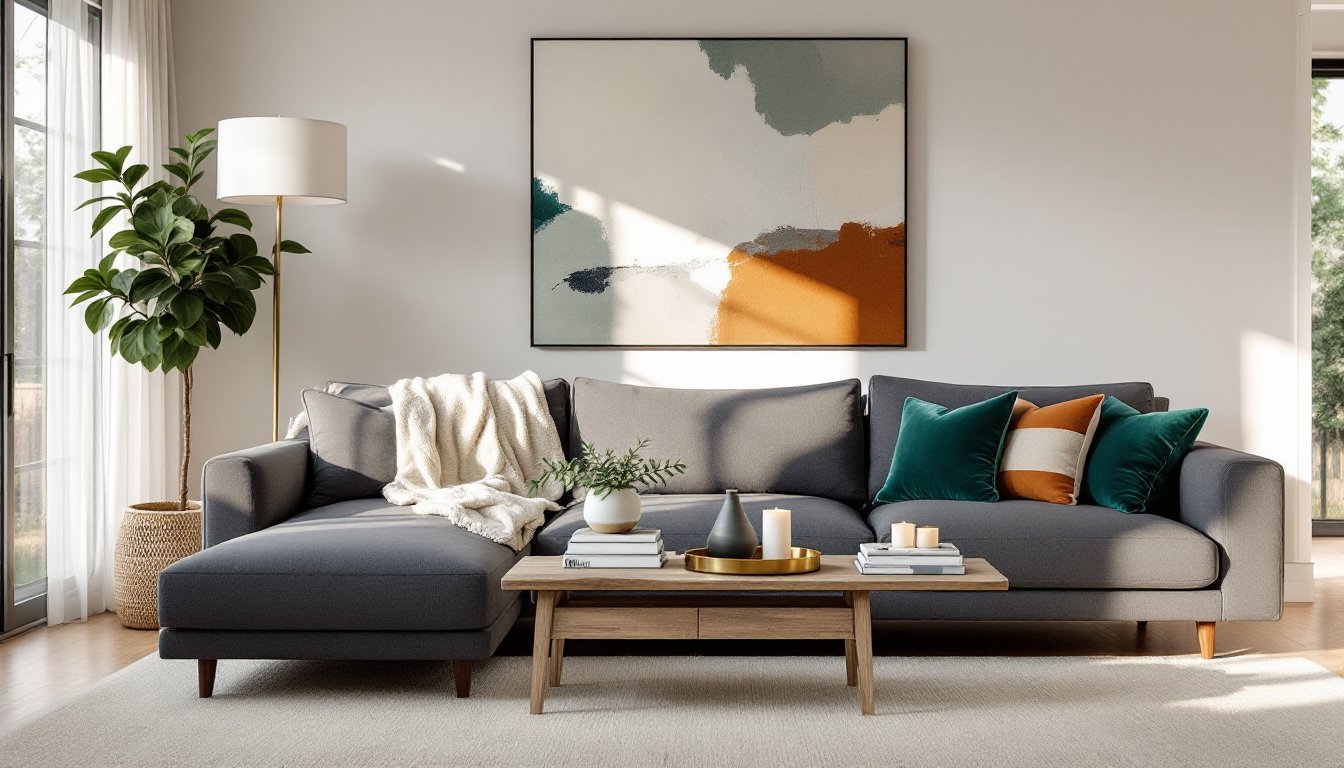
Grey furniture has become the backbone of modern living room design, and for good reason. It’s neutral enough to anchor a space without disappearing into the background, versatile enough to work with nearly any color palette, and sophisticated enough to feel intentional. Whether someone’s working with a charcoal sectional or a light gray accent chair, grey pieces offer a foundation that’s easier to style than beige and more forgiving than white. This guide walks through practical, tested approaches to designing a living room around grey furniture, from choosing the right shade to layering textures and accessories that make the space feel finished.
Table of Contents
ToggleKey Takeaways
- Grey furniture provides a neutral, versatile foundation that works with nearly any color palette and hides everyday wear better than lighter neutrals like beige or white.
- Pairing grey sofas with bold accent colors—jewel tones, warm metallics, or earth tones—injects personality and prevents the room from looking flat or cold.
- Layering textures like velvet, linen, wool, and natural materials such as rattan and reclaimed wood adds warmth and depth to grey furniture arrangements.
- The right grey tone depends on your space: light greys suit bright rooms, mid-tone greys are the safest choice for most living rooms, and dark greys add sophistication to larger, well-lit areas.
- In small living rooms, choose low-profile grey sofas with exposed legs, use vertical storage and mirrors to maximize space, and stick to a monochromatic palette with one accent color for visual cohesion.
- Thoughtful accessorizing—throw pillows, large-scale artwork, layered lighting, and plants—transforms grey living room ideas from generic to curated without adding clutter.
Why Grey Furniture Works in Every Living Room Style
Grey sits at the intersection of warm and cool tones, which gives it unusual flexibility. A charcoal sofa works just as well in a minimalist loft as it does in a farmhouse-style family room. The key is understanding undertones.
Cool greys (those leaning blue or green) pair naturally with crisp whites, blacks, and jewel tones. They suit contemporary, Scandinavian, and industrial styles. Warm greys (with beige, taupe, or brown undertones) complement wood finishes, terracotta, and earth tones, ideal for transitional, rustic, or coastal interiors.
Grey also plays well with trends without committing to them. A grey sectional won’t look dated if accent colors shift from navy to emerald to rust over a few years. That longevity makes it a smart pick for anyone planning to keep furniture for a decade or more.
Another practical advantage: grey hides wear better than lighter neutrals. Mid-tone greys camouflage pet hair, minor stains, and everyday scuffs in ways that cream and white can’t. For high-traffic living rooms, that’s not just aesthetic, it’s functional.
Pairing Grey Sofas with Bold Accent Colors
A grey sofa is a blank canvas, but it needs contrast to avoid looking flat. Bold accent colors inject personality without overwhelming the room.
Jewel tones like emerald green, sapphire blue, and deep burgundy create drama against cool greys. Use them in throw pillows, area rugs, or a single accent chair. A charcoal sofa with emerald velvet cushions and a brass floor lamp reads upscale without requiring a full remodel.
Warm metallics, brass, copper, gold, add warmth to cooler grey furniture. A copper pendant light or brass-framed mirror bounces light and introduces a layer of visual interest. These work especially well in rooms with limited natural light.
Earth tones (terracotta, ochre, burnt sienna) soften warm greys and create a grounded, organic feel. Pair a taupe-grey sectional with rust-colored throw blankets and a jute rug for a look that’s cozy without skewing beige.
For those hesitant to commit to color, start small. Swap out pillow covers seasonally or rotate throws. A grey couch absorbs those changes easily, making it simple to test palettes before investing in larger pieces like rugs or curtains.
Mixing Textures to Add Warmth and Depth
Grey can read cold or flat if the room lacks textural variety. Layering materials is how designers avoid that trap.
Upholstery fabric matters. A grey linen sofa has a casual, lived-in feel. Velvet reads formal and light-absorbent, ideal for adding richness to a minimalist space. Leather or faux leather brings edge and wears well in homes with kids or pets. If someone’s buying new, test fabric samples in the room’s actual lighting before committing.
Textiles soften hard edges. Chunky knit throws, faux fur pillows, and woven cotton blankets add tactile contrast. Stack two or three textures on a single sofa, linen, wool, and velvet, for example, to create depth without adding color.
Natural materials warm up grey furniture fast. A reclaimed wood coffee table, rattan side chair, or woven seagrass basket introduces organic shapes and tones that balance grey’s coolness. These elements work especially well in modern home decor schemes that lean minimalist.
Don’t overlook the floor. A high-pile wool rug or textured jute runner underfoot makes a grey sectional feel grounded rather than floating. In smaller spaces, a rug that extends at least 12 inches beyond the furniture on all sides visually expands the seating area.
Choosing the Right Grey Tone for Your Space
Not all greys are created equal. Picking the wrong shade can make a room feel dingy or uninviting.
Light greys (think dove or silver) work in rooms with ample natural light. They reflect light and make small spaces feel larger. Pair them with white trim and light wood floors for an airy, open effect. Be cautious in north-facing rooms, cool light can make pale grey look washed out or blue-toned.
Mid-tone greys are the safest bet. They hide stains, photograph well, and adapt to changing decor. A slate or pewter grey sofa anchors a room without dominating it. These tones pair easily with both warm and cool accent colors.
Dark greys (charcoal, graphite, anthracite) add weight and sophistication. They work beautifully in large, well-lit rooms or as a counterpoint to bright walls. In smaller spaces, balance dark furniture with lighter walls and plenty of reflective surfaces, mirrors, glass, metallics, to prevent the room from feeling cave-like.
Test paint chips or fabric swatches in the actual room at different times of day. Artificial light (especially warm LEDs) can shift grey tones significantly. What looks cool and modern in daylight might read muddy under evening lamps.
Styling Grey Furniture in Small Living Rooms
Grey furniture shines in tight spaces if styled with intention. The right approach makes a 10 m² living room feel curated rather than cramped.
Scale matters. In small rooms, choose a sleek, low-profile grey sofa rather than an overstuffed sectional. Exposed wooden or metal legs create visual breathing room by revealing floor space. Skirted sofas, by contrast, make furniture look heavier and the room smaller.
Vertical storage keeps clutter off the floor. Floating shelves in white or light wood draw the eye up and provide display space for books, plants, or decorative objects without eating into square footage. Designers often recommend small living room layouts that maximize function without sacrificing style.
Mirrors and metallics bounce light and create depth. A large mirror opposite a window doubles perceived natural light. Brass or chrome accents, table legs, picture frames, lamp bases, add sparkle without bulk.
Monochromatic palettes prevent visual fragmentation. Stick to shades of grey, white, and one accent color. A light grey sofa, white walls, charcoal throw pillows, and a single pop of mustard yellow creates cohesion. Too many competing colors in a small space reads chaotic.
Skip the coffee table if space is tight. Nesting tables or a slim console behind the sofa offer surface area without blocking walkways.
Accessorizing Your Grey Living Room for Maximum Impact
Accessories are where grey furniture goes from generic to curated. The goal is to add personality without clutter.
Throw pillows are the fastest way to shift a room’s mood. For a grey sectional, start with four to six pillows in varied sizes: two 22-inch squares in a solid accent color, two 20-inch patterned pillows, and two smaller 16-inch lumbar pillows. Mix patterns (geometric, floral, stripe) but keep the color palette tight.
Artwork anchors the space. A large-scale piece (at least two-thirds the width of the sofa) creates a focal point. Abstract prints, black-and-white photography, or bold color blocks all work. Hang art so the center sits at 57 to 60 inches from the floor, standard gallery height.
Lighting layers add warmth. Overhead fixtures alone create harsh shadows. Add a floor lamp beside the sofa for reading, a table lamp on a side table, and candles or string lights for ambient glow. Warm-toned bulbs (2700K–3000K) counteract grey’s coolness.
Greenery introduces life and color. A large potted fiddle-leaf fig or rubber plant in a corner softens hard lines. Smaller succulents or trailing pothos on shelves add organic shapes. For those seeking interior design inspiration, live plants consistently top designer recommendations for finishing a space.
Coffee table styling keeps surfaces functional but visually interesting. Use the “rule of three”: a stack of books, a small tray with coasters, and a low bowl or vase. Avoid covering more than one-third of the table surface, leave room for actual use.
If the budget allows, consider an Ashley Home Furniture sectional as a starting point. Their modular designs adapt to different room shapes and offer built-in flexibility for future layout changes.
Conclusion
Grey furniture delivers flexibility, longevity, and a foundation that adapts to changing tastes. The difference between a forgettable grey room and a polished one comes down to intentional choices: the right undertone, layered textures, strategic pops of color, and accessories that reflect the people living there. Start with one or two changes, swap pillows, add a rug, hang a mirror, and build from there. Grey doesn’t dictate a single style. It supports whatever direction the homeowner wants to take.