
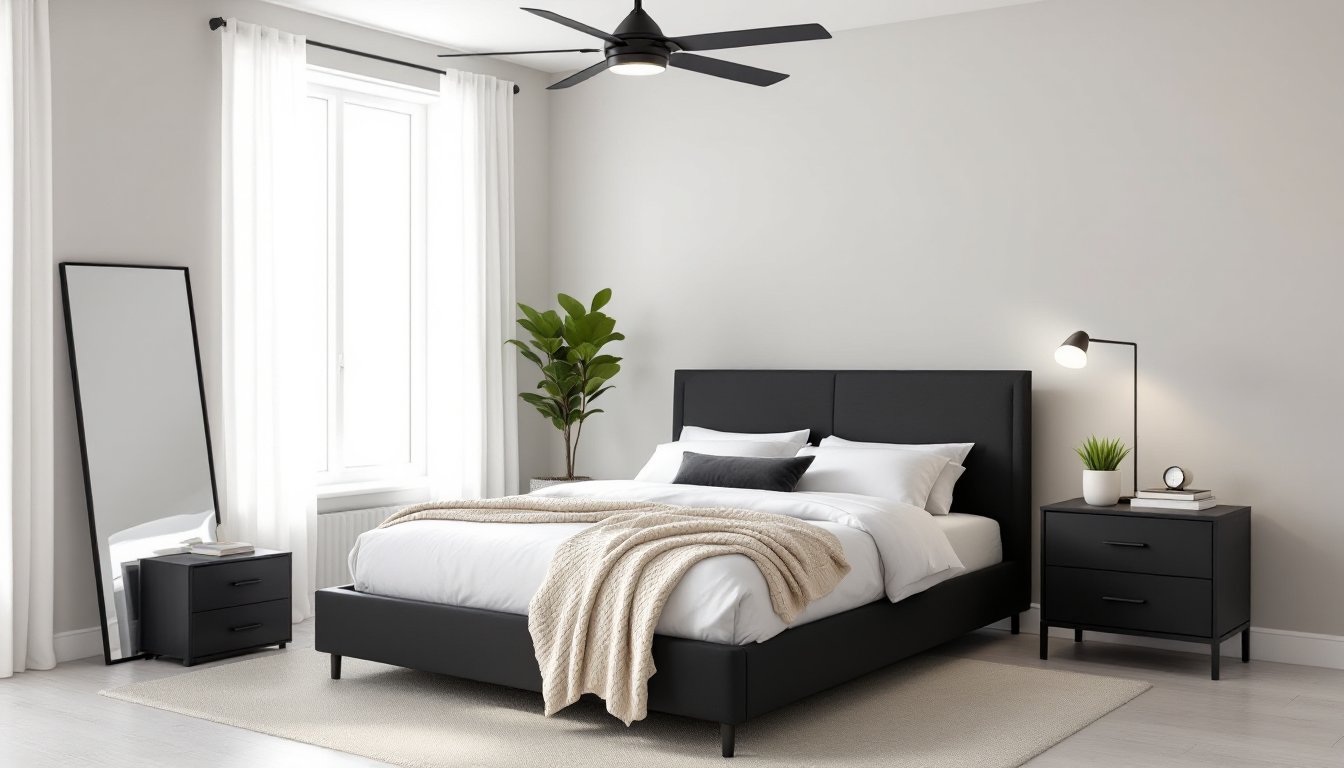
A black furniture bedroom set doesn’t just fill a room, it anchors it. Whether the homeowner is working with a contemporary loft or a traditional colonial, black furniture brings weight, contrast, and a sense of permanence that lighter woods and painted pieces can’t match. It’s the kind of choice that looks deliberate, not default. This guide walks through the practical side of selecting, styling, and maintaining black bedroom furniture, from understanding finish types to choosing sets that fit both the room’s footprint and the homeowner’s workflow. No fluff, just the details that matter when committing to a major furniture investment.
Table of Contents
ToggleKey Takeaways
- Black furniture bedroom sets establish visual hierarchy and create perceived value, while hiding wear better than lighter finishes, though they require careful lighting and contrast planning in rooms with limited natural light.
- Traditional black wooden bedroom sets offer durability and depth through multi-layer stain finishes and solid wood construction, while modern sets prioritize affordability and ease of assembly with flat-pack design and engineered materials.
- Pair black furniture with light wall colors, light-toned flooring, and strategic lighting to maximize visual space and counter the light-absorbing effect of black surfaces.
- Select a black bedroom furniture set by measuring your room carefully (minimum 10 × 12 feet for queen sets), inspecting construction quality, and considering storage needs before committing to this major furniture investment.
- Maintain black furniture finishes through weekly microfiber dusting, protective measures against moisture and heat, and appropriate cleaning methods tailored to whether your finish is solid wood, paint, or lacquer.
- Control bedroom humidity between 30–50% to prevent wood shrinkage and particleboard damage, particularly important for preserving the longevity of black bedroom furniture in varying seasonal climates.
Why Choose a Black Furniture Bedroom Set?
Black furniture establishes visual hierarchy in a bedroom. It frames the space, making walls appear lighter and ceilings higher by comparison. Unlike mid-tone woods that can read as dated when trends shift, black maintains a neutral baseline that adapts to changing bedding, wall colors, and decor without requiring a full reset.
From a durability standpoint, black finishes, especially lacquered or painted hardwoods, hide minor scuffs and wear better than lighter finishes. Scratches on white or blonde wood show immediately: on black, they’re less noticeable unless the substrate wood is significantly lighter. This makes black a practical choice for high-use bedrooms or homes with pets.
Black furniture also increases perceived value. A solid wood dresser in a black finish typically photographs better and reads as more premium than the same piece in oak or pine. That matters for resale staging and for creating a cohesive, polished look without investing in custom millwork.
One consideration: black furniture absorbs light rather than reflecting it. In a north-facing bedroom or a space with limited natural light, it can make the room feel smaller. Pairing it with high-contrast textiles, mirrors, and adequate artificial lighting mitigates this, but it’s worth testing paint samples and furniture placement before committing to a full set.
Types of Black Bedroom Furniture Sets
Traditional Black Wood Sets
Traditional black bedroom sets are typically constructed from solid hardwood, oak, maple, or poplar, with a hand-rubbed or brushed black finish. These pieces feature raised panel details, turned legs, bun feet, and sometimes distressed edges that reveal the wood grain underneath. The black finish on traditional sets is often achieved through multiple layers of stain and topcoat, which gives depth rather than the flat appearance of paint.
Expect joinery like dovetail drawers, mortise-and-tenon bed frames, and solid wood drawer boxes. These sets are heavy, a traditional black dresser can weigh 150–200 pounds even before loading it, so factor in floor load and moving logistics. Traditional sets pair well with crown molding, wainscoting, and rooms with existing architectural detail. They don’t fight ornamentation: they complement it.
Finish durability is high if properly maintained. The multi-layer stain process penetrates the wood, so chips are less catastrophic than on painted furniture. But, water rings and heat marks will show, so coasters and trivets aren’t optional.
Modern and Contemporary Black Sets
Modern black bedroom sets prioritize clean lines, flat-panel construction, and minimal hardware. Materials include MDF or particleboard cores with black melamine, lacquer, or high-gloss polyurethane finishes, as well as solid wood with matte black paint. Hardware is often integrated, touch-latch drawers, recessed pulls, or slim metal bar handles in brushed nickel or matte black.
These sets are lighter in weight and typically more affordable than traditional hardwood pieces. A modern black platform bed might weigh 60–80 pounds for a queen frame, making it easier to move and assemble. Many contemporary sets ship flat-pack and require assembly with cam locks and barrel nuts, straightforward if the homeowner has a drill and a level, but time-consuming for a full bedroom set (budget 2–4 hours for a bed, dresser, and nightstand).
High-gloss finishes show every fingerprint and smudge, which is a maintenance consideration in homes with kids. Matte and satin finishes are more forgiving. Modern sets work best in open-plan spaces, minimalist interiors, and rooms where contemporary furniture design takes center stage without competing against heavy trim or traditional architecture.
Designing Your Bedroom Around Black Furniture
Start with wall color. Black furniture reads differently against white, gray, navy, or deep jewel tones. Bright white walls create maximum contrast and make the furniture pop, this works well in modern or Scandinavian-style rooms. Warm grays (Sherwin-Williams Agreeable Gray, Benjamin Moore Revere Pewter) soften the contrast and add warmth without competing. For a more dramatic dark bedroom effect, try deep charcoal, navy, or forest green walls, but only if the room has strong natural light or a well-planned lighting scheme.
Flooring matters. Black furniture on dark hardwood or laminate can create a monotone effect that flattens the space. Light oak, whitewashed pine, or pale gray luxury vinyl plank (LVP) provides contrast and defines the furniture’s footprint. If working with existing dark floors, add a large area rug in a lighter tone, cream, beige, or soft gray, to break up the mass and define the sleeping zone.
Bedding and textiles are the easiest place to introduce pattern and color. White or cream linens keep it crisp: jewel tones (emerald, sapphire, burgundy) add richness: muted pastels (blush, sage, powder blue) soften the look. Layering textures, linen duvet, velvet throw, cotton or wool rug, adds dimension without overwhelming the space.
Lighting is non-negotiable. Black furniture absorbs light, so layer ambient, task, and accent lighting. Overhead fixtures should provide at least 50–75 lumens per square foot for a bedroom. Add bedside lamps with 40–60W-equivalent LED bulbs for reading, and consider a dimmer switch to adjust levels. Wall sconces or picture lights can highlight artwork and bounce light off walls, countering the light-absorbing effect of black furniture.
Mirrors are a practical design tool here. A large leaning mirror or a dresser-mounted mirror reflects both natural and artificial light, visually expanding the room and balancing the furniture’s mass.
Selecting the Right Black Bedroom Set for Your Space
Measure the room before shopping, not just floor dimensions, but also ceiling height, door swing clearance, and window placement. A standard queen bedroom set (bed, dresser, two nightstands) needs a minimum room size of about 10 × 12 feet to avoid a cramped feel. For king sets, aim for 12 × 14 feet or larger.
Note the actual dimensions of each piece, not just the bed size. A queen bed frame can range from 60 to 66 inches wide depending on design, and dressers vary from 48 to 72 inches long. Sketch a floor plan or use painter’s tape on the floor to map out placement before delivery. Factor in at least 24–36 inches of clearance around the bed for making it and moving comfortably.
Consider storage needs. If the bedroom lacks a walk-in closet, prioritize dressers with deep drawers (at least 16 inches deep) and beds with built-in storage, drawers in the footboard or a lift-up platform base. Storage beds add 12–18 inches to the overall bed height, which affects mattress choice and the visual weight of the room.
Inspect construction quality, especially if buying online. For solid wood sets, check that drawer boxes are solid wood, not particleboard, and that drawer glides are ball-bearing or soft-close rather than plastic side-mount glides. For engineered wood (MDF/particleboard), confirm that edges are sealed or banded to prevent moisture damage, unfinished particleboard edges swell and delaminate in humid climates.
Assembly requirements vary widely. Traditional hardwood sets often arrive fully assembled or require minimal setup (attaching headboard to side rails). Modern flat-pack sets require full assembly, which means checking that all hardware is included before the delivery window closes. Missing a cam lock or a set of screws can stall a project for days.
Caring for and Maintaining Black Bedroom Furniture
Black finishes show dust, fingerprints, and watermarks more readily than medium-toned wood. Establish a weekly dusting routine using a microfiber cloth, avoid feather dusters, which redistribute dust rather than capturing it. For high-gloss finishes, a slightly damp microfiber cloth followed by a dry buff prevents streaking.
Avoid commercial furniture polish with silicone or wax buildup on painted or lacquered black furniture, it can leave a cloudy residue. For solid wood with a stain finish, a quality furniture wax (like Minwax or Howard Feed-N-Wax) applied 2–3 times per year maintains the finish and adds a protective layer. For painted or lacquered finishes, stick with a damp cloth and occasional use of a pH-neutral cleaner diluted in water.
Protect surfaces from moisture and heat. Use coasters, trivets, and felt pads under lamps and decor. Water rings on black furniture are just as permanent as on any other finish, and often more visible due to contrast. If a water ring does appear on a solid wood piece, try the iron and cloth method: place a clean cotton cloth over the mark and press with a warm (not hot) iron for 10–15 seconds. The heat can draw moisture out of the wood. This won’t work on painted or laminate finishes.
Address scratches promptly. For minor surface scratches on painted furniture, a black furniture touch-up marker or a small artist’s brush with matching black paint can camouflage damage. For deeper gouges in solid wood, a black wood filler stick (available at hardware stores) can fill and seal the scratch before it spreads.
Control humidity in the bedroom, especially if the furniture is solid wood. Ideal indoor humidity is 30–50%. In dry winter months, a humidifier prevents wood from shrinking and joints from loosening. In humid summer climates, a dehumidifier or air conditioning prevents swelling and drawer sticking. Flat-pack furniture with particleboard cores is especially vulnerable to humidity, once particleboard swells, it doesn’t return to original dimensions.
For ongoing inspiration and ideas on integrating black furniture into different home design styles, explore resources that showcase real-world applications and styling techniques.