
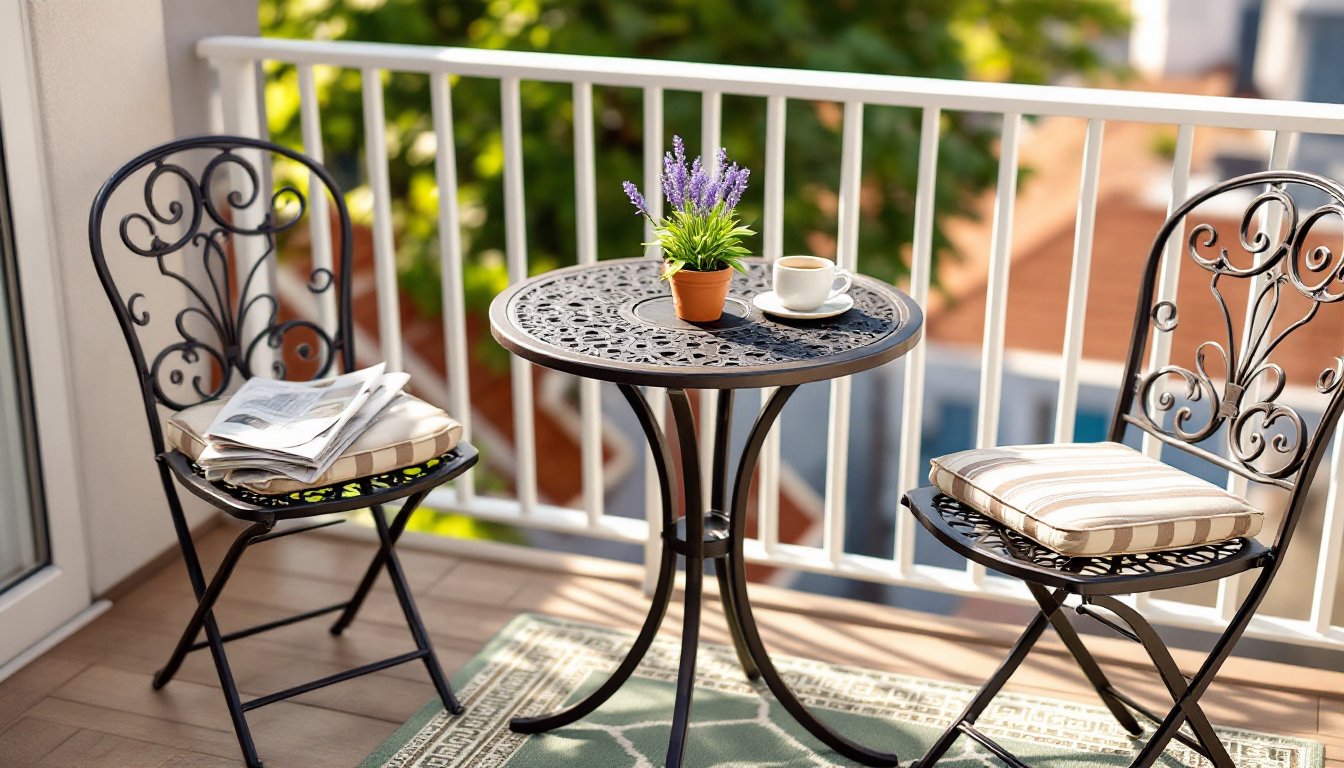
Picture your deck or balcony transformed into a cozy corner café, morning coffee in hand, birds chirping, no commute required. That’s the magic of bistro patio furniture. These compact, café-style sets bring European charm to even the smallest outdoor spaces without demanding a renovation budget or a construction permit. Whether you’re outfitting a narrow balcony, a corner of a sprawling deck, or a shaded garden nook, bistro sets deliver functional seating with distinctive character. They’re the gateway project for homeowners ready to reclaim unused outdoor real estate.
Table of Contents
ToggleKey Takeaways
- Bistro patio furniture transforms small outdoor spaces like balconies and courtyards with European café charm while fitting comfortably in areas as narrow as 4 feet deep.
- Quality bistro sets start around $150 for powder-coated steel and range up to $600+ for premium materials like teak, making them budget-friendly compared to full dining sets.
- Material choice determines durability: wrought iron offers traditional aesthetics but requires rust maintenance, aluminum resists rust with minimal upkeep, and teak provides natural water resistance at a premium price.
- Proper weight and dimensions are critical—standard bistro chairs sit 17-18 inches high with 28-30 inch tables, and heavier wrought iron anchors better in wind while lightweight aluminum suits portable, flexible spaces.
- Annual maintenance is essential for longevity: metal sets need finish touch-ups, wood requires seasonal oiling, and resin wicker benefits from soft cleaning and UV protectant sprays.
- Styling a bistro patio corner with anchoring rugs, layered lighting, outdoor-grade cushions, and vertical elements creates an inviting vignette that maximizes both comfort and usability year-round.
What Is Bistro Patio Furniture and Why Choose It?
Bistro patio furniture typically consists of a small round or square table paired with two compact chairs. The design originated in French café culture, where outdoor seating needed to maximize sidewalk real estate while still offering comfort. Modern bistro sets replicate that efficient footprint, most tables measure 24 to 30 inches in diameter, with chairs built narrow enough to tuck completely under the table when not in use.
The appeal is threefold: space efficiency, portability, and style. A bistro set fits comfortably on balconies as narrow as 4 feet deep, making them ideal for apartments, condos, or tight courtyards. Unlike full patio dining sets that anchor a space permanently, bistro furniture is light enough to move for seasonal storage or to follow the sun across a deck. And unlike generic plastic patio chairs, bistro sets carry aesthetic weight, wrought iron scrollwork, slatted teak, or powder-coated steel frames add character that punches above the furniture’s physical footprint.
They’re also budget-friendly entry points. Quality bistro sets start around $150 for powder-coated steel options and climb to $600+ for teak or hand-forged iron. Compare that to full dining sets, which easily run $800 to $2,000, and the value proposition becomes clear for anyone testing the waters of outdoor living upgrades.
Top Materials for Bistro Patio Sets: Durability Meets Style
Material choice dictates both longevity and maintenance workload. Here’s what holds up outdoors, and what doesn’t.
Metal Bistro Furniture
Wrought iron remains the gold standard for traditional bistro aesthetics. Authentic wrought iron sets feature hand-forged scrollwork and weigh enough to stay put in wind (often 30 to 50 pounds per chair). The trade-off? Rust. Even powder-coated iron will show surface oxidation after a few seasons unless stored indoors during wet months or treated annually with rust-inhibiting primer. Expect to touch up chips with rust converter and outdoor enamel every 2 to 3 years.
Aluminum offers the bistro look without the rust headaches. Quality cast aluminum mimics the detailing of wrought iron at roughly half the weight, making it easier to move for cleaning or storage. Look for powder-coated finishes rated for UV resistance, cheaper paint will fade to chalky pastels within two seasons. Aluminum doesn’t rust, but it does corrode (white oxidation) if the coating is compromised. A coat of automotive wax once per season keeps the finish intact.
Steel (powder-coated or galvanized) sits in the middle. It’s heavier than aluminum, lighter than iron, and prone to rust at any coating breach. Steel bistro sets work well under covered patios or in arid climates but struggle in humid or coastal zones without diligent upkeep. For areas with consistent exposure, choosing outdoor furniture designed for weather resistance can save headaches down the road.
Wood and Wicker Options
Teak is the go-to hardwood for outdoor furniture, and bistro sets are no exception. Its natural oils repel water and resist rot, even without finish. Teak weathers to a silver-gray patina unless treated annually with teak oil to maintain the honey-brown color. Joints are the weak point, check that mortise-and-tenon or doweled construction is used rather than screws alone, which loosen as wood expands and contracts. Expect to pay a premium: teak bistro sets start around $400.
Eucalyptus offers similar weather resistance at a lower price point ($200 to $350 for sets). It’s slightly softer than teak, so surface scratches appear faster, but it’s still a solid mid-tier hardwood. Like teak, it grays without oil treatment.
Wicker and resin wicker bring texture but require scrutiny. Natural wicker (rattan or willow) can’t handle moisture and belongs only in covered, dry areas, it mildews and unravels outdoors. Synthetic resin wicker (polyethylene or PVC-coated), but, handles full sun and rain with minimal fading. Check the frame underneath: aluminum frames outlast steel, which will rust through the wicker weave if moisture penetrates. Quality resin wicker feels slightly flexible, not brittle. Brittle strands crack within one season of UV exposure.
Choosing the Perfect Bistro Set for Your Space
Start by measuring the actual usable footprint. A bistro set needs a minimum 5-foot by 5-foot area for two people to sit and move chairs comfortably. On narrower balconies, consider a fold-flat table and stackable chairs that collapse to 6 inches deep for storage.
Weight matters more than most homeowners expect. Lightweight aluminum sets (under 20 pounds total) tip or blow over on windy balconies above the third floor. Heavier wrought iron anchors itself but becomes a hassle if you need to move it weekly for deck cleaning. Match weight to usage: stationary spots can handle iron: flexible spaces benefit from aluminum with tie-down straps or weighted bases.
Seat height and back support separate comfortable sets from regrettable impulse buys. Standard bistro chair seats sit 17 to 18 inches high, the same as indoor dining chairs, with tables at 28 to 30 inches. Anything shorter feels like patio furniture designed for kids. Test the chair back angle before buying: many bistro chairs favor aesthetics over lumbar support, which is fine for a 20-minute coffee but uncomfortable for a long brunch. Contoured metal backs or slatted wood with a slight recline add real usability.
Consider the tabletop material separately from the frame. Tempered glass tops stay cool and clean easily but can shatter if metal chairs are dragged across them. Mesh or perforated metal tops dry quickly after rain and weigh less but show rust at screw holes unless stainless hardware is used. Solid wood or stone tops add thermal mass, they stay warm longer on cool evenings but also heat up in direct sun. Many homeowners working on seasonal design changes swap table accessories like umbrellas or tabletop fire bowls to extend usability across months.
Umbrella compatibility is often an afterthought until the first blazing afternoon. If your set includes an umbrella hole, confirm it’s 1.5 to 2 inches in diameter (standard pole sizes) and that the base has enough weight or a pass-through design to accommodate a freestanding umbrella base (typically 30 to 50 pounds of sand or water).
Styling Tips to Create an Inviting Bistro Patio
Bistro sets work best when treated as intentional vignettes, not afterthoughts parked against a railing. Anchor the set with an outdoor rug, a 4-foot by 6-foot or 5-foot round polypropylene rug defines the zone, adds color, and protects decking or concrete from chair-leg scuffs. Polypropylene resists mildew and hoses clean: natural fiber rugs (jute, sisal) rot outdoors unless under a completely covered, dry patio.
Layered lighting transforms usability after dusk. Battery-powered LED string lights or a small tabletop lantern extend evening use without requiring an electrician or exterior outlet. Solar stake lights around the perimeter add ambiance but rarely provide enough task light for dining, combine sources for the best effect.
Cushions and pillows bridge the comfort gap on metal or wood chairs. Look for outdoor-grade foam (quick-dry open-cell) with solution-dyed acrylic fabric (Sunbrella is the benchmark). Polyester “outdoor” cushions hold water and mildew within weeks. Tie-on cushions stay put better than loose pillows, which blow off or slide forward. Store cushions indoors or in a deck box during heavy rain or winter: even the best fabrics fade faster when perpetually wet.
Vertical elements add dimension without eating floor space. A wall-mounted trellis with climbing vines, a tall planter with ornamental grasses, or a narrow shelving unit for herbs or candles draws the eye up and makes a small bistro corner feel curated. Avoid cluttering the table itself, a single potted succulent or a rechargeable candle is enough. Many home décor and garden guides emphasize restraint in small-space styling, and bistro setups are no exception.
For shaded patios or north-facing balconies, lighter furniture colors (white, cream, soft gray) reflect available light and prevent the space from feeling cave-like. In full-sun exposures, darker finishes (bronze, charcoal, deep green) hide dust and pollen better and don’t create blinding glare.
Maintenance and Care for Long-Lasting Bistro Furniture
Outdoor furniture longevity is almost entirely a function of consistent, minimal maintenance, not purchase price.
Metal sets need an annual inspection for finish damage. Chips in powder coating expose bare metal to moisture. Sand the area lightly with 220-grit sandpaper, wipe with denatured alcohol, apply a rust-inhibiting primer (look for products rated for marine or automotive use), then top-coat with outdoor enamel matched to the original color. This 20-minute touch-up prevents rust from spreading under the coating. For wrought iron showing surface rust, use a wire brush or rust converter before priming. Store metal furniture indoors or under waterproof covers during winter in freeze-thaw climates: water trapped in joints expands when frozen and cracks welds.
Wood furniture benefits from an annual cleaning and oiling. Scrub with a deck brush and a mix of oxygen bleach (not chlorine bleach, which grays wood) and warm water to remove mildew and tannin stains. Rinse thoroughly and let dry for 24 hours. Apply teak oil or another hardwood sealer with a foam brush, following grain direction. Wipe excess after 15 minutes to avoid sticky buildup. Untreated teak and eucalyptus will gray naturally, this is cosmetic, not structural, but oiling once per season preserves color if preferred.
Resin wicker cleans with dish soap and a soft brush. Avoid pressure washers, which force water under the weave and into frame joints. Inspect the underside annually for frame rust: treat any spots immediately. UV protectant sprays (303 Aerospace Protectant is a common choice) slow fading on darker wicker, though results vary by resin quality.
Cushions and fabrics last longer when brought indoors between uses. If storage isn’t practical, invest in a ventilated deck box. Wash solution-dyed acrylic covers in cold water with mild detergent and air-dry, heat sets stains and weakens elastic. Spot-clean foam inserts with diluted dish soap: full submersion traps water inside, leading to mold. When shopping for curated sets or replacement pieces, resources like outdoor bistro table and chair collections offer side-by-side comparisons of material longevity and care needs.
Cover furniture during extended non-use, but remove covers every few weeks to air out trapped condensation. Waterproof covers that lack vents trap humidity and accelerate mildew. Look for covers with mesh vents and tie-down straps to prevent wind damage.