
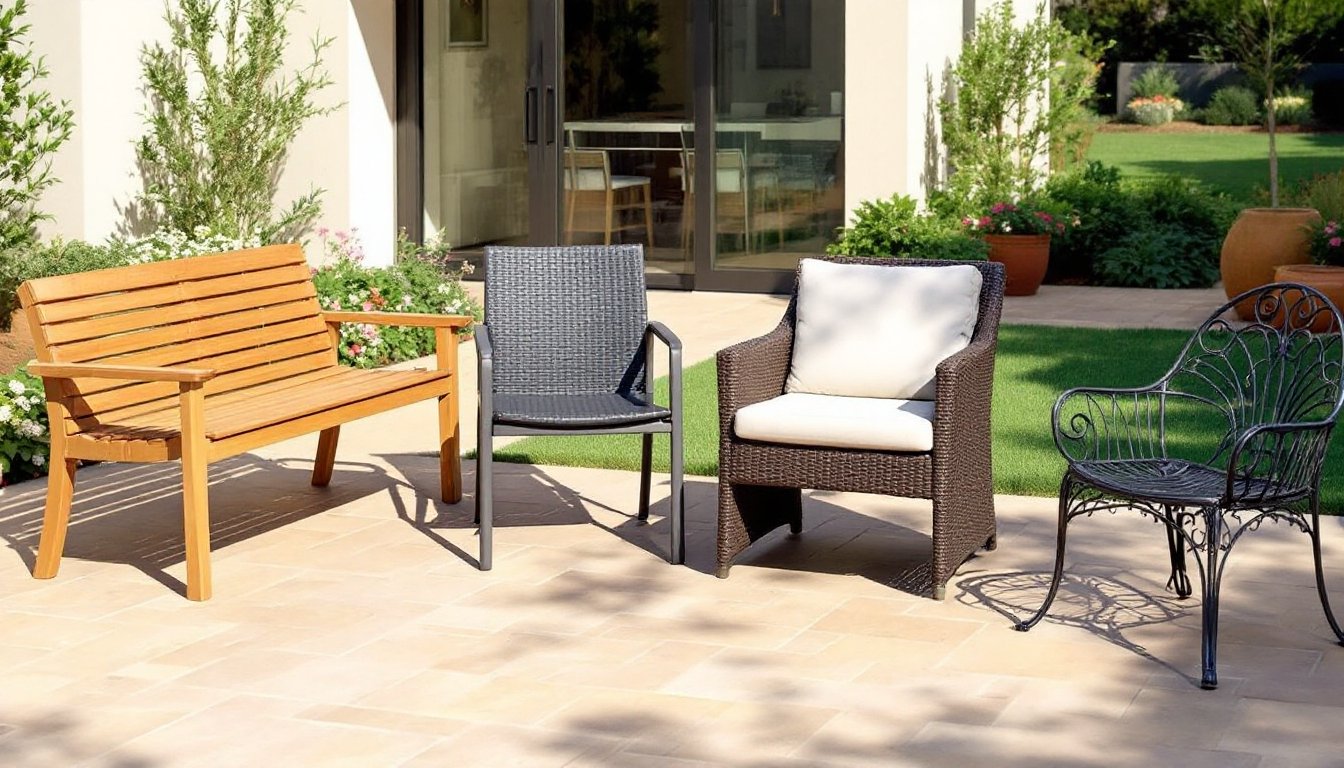
Picking patio furniture is easy. Picking furniture that survives five summers without falling apart? That’s the challenge. The difference comes down to material. Choose wrong, say, untreated pine or steel that rusts in humidity, and you’re hauling warped chairs to the curb by year two. Choose right, and your outdoor setup can outlast your indoor sofa. This guide breaks down the top materials for patio furniture, from premium hardwoods to modern synthetics, so homeowners can match durability, maintenance, and style to their climate and how they actually use their outdoor space.
Table of Contents
ToggleKey Takeaways
- The best material for patio furniture depends on your climate, maintenance tolerance, and design goals—teak excels for longevity, aluminum for convenience, and wicker for modern style.
- Teak is the premium choice offering 20–50 years of durability without structural work, though its natural oils and high silica content come with a $800–$3,000+ price tag per piece.
- Aluminum is rust-proof and lightweight, making it ideal for coastal or humid climates, but requires prompt touch-ups on scratches and may shift in high winds unless properly anchored.
- All-weather wicker with aluminum frames combines resort-style aesthetics with durability, while steel frames cost less but will eventually corrode in coastal or humid environments.
- Wrought iron provides unmatched wind resistance and stability for traditional patios but demands vigilant annual maintenance and performs poorly in coastal zones without marine-grade coatings.
- Climate directly determines material performance—humid regions favor teak and aluminum, coastal zones demand salt-resistant options, and freeze-thaw cycles require materials that handle temperature swings without cracking.
Why Choosing the Right Patio Furniture Material Matters
Outdoor furniture faces conditions indoor pieces never see: UV radiation that breaks down finishes, temperature swings that crack joints, moisture that promotes rot and corrosion, and wind that can tip or damage lightweight frames.
Material choice directly affects three key factors: longevity (how many seasons before replacement), maintenance (hours spent cleaning, sealing, or repairing), and performance (comfort, stability, and weather resistance). A teak bench left untreated will silver gracefully over decades. A painted steel chair in a coastal climate might rust through in two years without constant upkeep.
Different materials also carry structural trade-offs. Aluminum frames won’t rust but can dent under impact. Wrought iron handles wind beautifully but weighs enough to crack pavers if dragged. All-weather wicker offers flexibility in design but relies entirely on its frame material for strength. Understanding these distinctions helps homeowners avoid expensive mismatches, like placing moisture-sensitive wood in a humid, shaded courtyard or choosing delicate resin in a high-wind zone.
Teak: The Premium Choice for Timeless Outdoor Elegance
Teak (Tectona grandis) remains the gold standard for outdoor furniture, and for good reason. This hardwood contains natural oils, primarily tectoquinone, that repel water, resist rot, and deter insects without chemical treatment. Teak’s tight grain and high silica content make it incredibly dense (around 41 lbs per cubic foot), so joints stay tight and surfaces resist splintering even after years of exposure.
New teak arrives with a warm honey-brown color. Left untreated, UV exposure oxidizes the surface into a silver-gray patina over 6–12 months. This weathering is purely cosmetic: the wood’s structural integrity remains unaffected. Homeowners who prefer the original tone can apply teak oil or sealer annually, though it’s optional for durability.
Maintenance is minimal: hose down periodically, scrub with mild soap and a soft brush if needed, and let air-dry. Teak doesn’t require storage during winter in most climates. Expect properly constructed teak furniture to last 20–50 years outdoors with zero structural work.
The downside is cost. Quality teak runs $800–$3,000+ for a bench or lounge chair, depending on origin (Indonesian vs. responsibly harvested plantation stock) and joinery. Cheaper “teak-look” pieces often use lower-grade wood or veneers that won’t perform the same. Check for mortise-and-tenon joints and stainless steel or brass hardware, hallmarks of furniture built to last.
Aluminum: Lightweight, Rust-Proof, and Low-Maintenance
Powder-coated aluminum dominates the mid-range patio market because it solves two major outdoor furniture problems: rust and weight. Aluminum doesn’t corrode like steel or wrought iron, making it ideal for coastal or humid climates where salt air accelerates metal degradation.
Modern patio-grade aluminum uses extruded tubing (typically 1.2–2mm wall thickness) formed into frames, then finished with electrostatic powder coating. This baked-on finish resists chipping and fading far better than spray paint. Quality frames will list the powder coat warranty, 3–5 years is standard: premium lines offer 7–10.
Aluminum’s light weight (a dining chair might weigh 10–15 lbs) makes rearranging easy but creates problems in wind. Chairs can tip or blow across a deck in storms. Heavier bases, anchored cushions, or storage during high-wind season address this. The material also conducts heat rapidly, so metal seats get hot in direct sun, cushions aren’t optional for comfort.
Maintenance involves wiping frames with soapy water and rinsing. Scratches in the powder coat should be touched up promptly with matching paint to prevent oxidation of the underlying aluminum (which appears as white, chalky residue).
Pricing sits between resin and hardwood: $200–$800 per chair for quality sets. Aluminum pairs well with all-weather wicker, rope, or sling fabrics. Avoid bargain-bin options with thin tubing (under 1mm) or basic spray finishes, they’ll dent and fade within two seasons.
All-Weather Wicker: Modern Style Meets Durability
Traditional wicker, woven rattan or willow, has no place outdoors. It absorbs water, splits, mildews, and deteriorates rapidly. All-weather wicker solves this with synthetic materials, typically high-density polyethylene (HDPE) resin, woven over aluminum or steel frames.
HDPE resin strands are extruded and UV-stabilized, so they resist fading and brittleness for 5–10 years in full sun. The weave style (flat, round, or half-round strands) affects both appearance and durability, flat weave packs tighter and sheds water better: round weave looks more traditional but can trap moisture if poorly designed.
The frame matters more than the wicker itself. Aluminum frames won’t rust but cost more. Powder-coated steel frames offer strength at lower prices but will eventually corrode at scratches or joints, especially in humid or coastal areas. Always lift a corner, cheap sets use thin-gauge steel that flexes noticeably.
All-weather wicker appeals to those wanting modern or resort-style aesthetics without the weight or cost of hardwood. Maintenance is simple: hose off, scrub crevices with a soft brush, and air-dry. Cushions should be stored during heavy rain or winter unless they’re specifically marine-grade.
Pricing ranges widely: $400–$1,500 for a sectional, depending on frame quality and weave density. Bargain sets (under $300 for a full seating group) almost always use inadequate frames or thin resin that cracks within two years. In the world of outdoor furniture, certain choices reflect the classic balance between upfront investment and long-term value.
Wrought Iron: Classic Strength for Traditional Patios
Wrought iron furniture conjures images of European courtyards and Victorian gardens, and for good reason. This material, traditionally hand-forged and shaped, offers unmatched stability and wind resistance. A wrought iron dining set won’t budge in a storm, and the weight (a single chair can exceed 30 lbs) keeps it firmly planted.
Modern “wrought iron” patio furniture is usually cast iron or tubular steel with decorative scrollwork, powder-coated or painted. True hand-forged wrought iron is rare and expensive, but the aesthetic remains popular.
The critical maintenance issue: rust. Iron oxidizes when the protective finish is compromised. Inspect annually for chips, scratches, or bubbling paint. Sand affected areas to bare metal, apply a rust-inhibiting primer (such as a zinc chromate or epoxy-based product), then topcoat with exterior metal paint. Skipping this leads to structural weakness as rust eats through tubing or joints.
Wrought iron performs best in dry or moderate climates. Coastal humidity or areas with heavy winter road salt accelerate corrosion. Some manufacturers offer marine-grade powder coating or hot-dip galvanizing, which adds years of protection but increases cost.
Cushions are essential, bare iron is uncomfortable and gets scorching hot or icy cold depending on season. Pricing runs $300–$1,200 per piece for quality cast or tubular steel furniture. The style fits traditional, Mediterranean, or country-inspired outdoor spaces but looks out of place in minimalist or contemporary settings.
How to Match Patio Furniture Material to Your Climate and Lifestyle
Climate drives material performance more than any other factor. Here’s a practical breakdown:
Hot, arid climates (Southwest, desert regions): Aluminum and powder-coated steel excel here. Low humidity reduces rust risk, and UV-resistant finishes prevent fading. Teak works but may dry excessively without occasional oiling. Avoid all-weather wicker with cheap resin, it’ll become brittle under intense sun.
Humid, subtropical climates (Southeast, Gulf Coast): Teak and aluminum are top choices. Teak’s natural oils resist mildew: aluminum won’t corrode. All-weather wicker works if the frame is aluminum and drainage is good (avoid pieces that pool water in the weave). Wrought iron requires vigilant maintenance or will rust aggressively.
Coastal zones (salt air exposure): Aluminum, teak, and marine-grade all-weather wicker. Salt accelerates corrosion on any ferrous metal (iron, steel), so wrought iron is a poor choice unless you’re committed to annual refinishing. Stainless steel hardware (316 grade) is essential for any mixed-material furniture.
Cold climates with freeze-thaw cycles: Aluminum and high-quality HDPE wicker handle temperature swings well. Teak is fine but benefits from winter storage to prevent surface checking (minor cracks from moisture freezing in the grain). Cast iron can crack if water freezes in joints, drill small drain holes if needed.
Lifestyle considerations: Homeowners who entertain frequently need easy-to-clean, stain-resistant materials, aluminum and all-weather wicker win here. Those wanting heirloom-quality pieces should invest in teak or wrought iron with proper care routines. Renters or those who move often benefit from lightweight aluminum that’s easy to transport. Families with young children should avoid sharp-edged wrought iron and consider rounded aluminum or wicker designs.
Storage also matters. If you have garage or shed space, even budget materials last longer when protected off-season. If furniture stays out year-round, invest in covers or materials that genuinely withstand your local conditions without intervention.
Conclusion
The best material for patio furniture isn’t universal, it’s the one that matches a homeowner’s climate, maintenance tolerance, and design goals. Teak delivers unmatched longevity for those willing to invest. Aluminum balances durability and convenience. All-weather wicker offers modern style with reasonable upkeep. Wrought iron anchors traditional spaces but demands attention in humid zones. Assess local weather patterns, decide how much annual maintenance feels manageable, and choose accordingly. Quality materials, properly maintained, turn a patio into a comfortable outdoor room that lasts decades.