
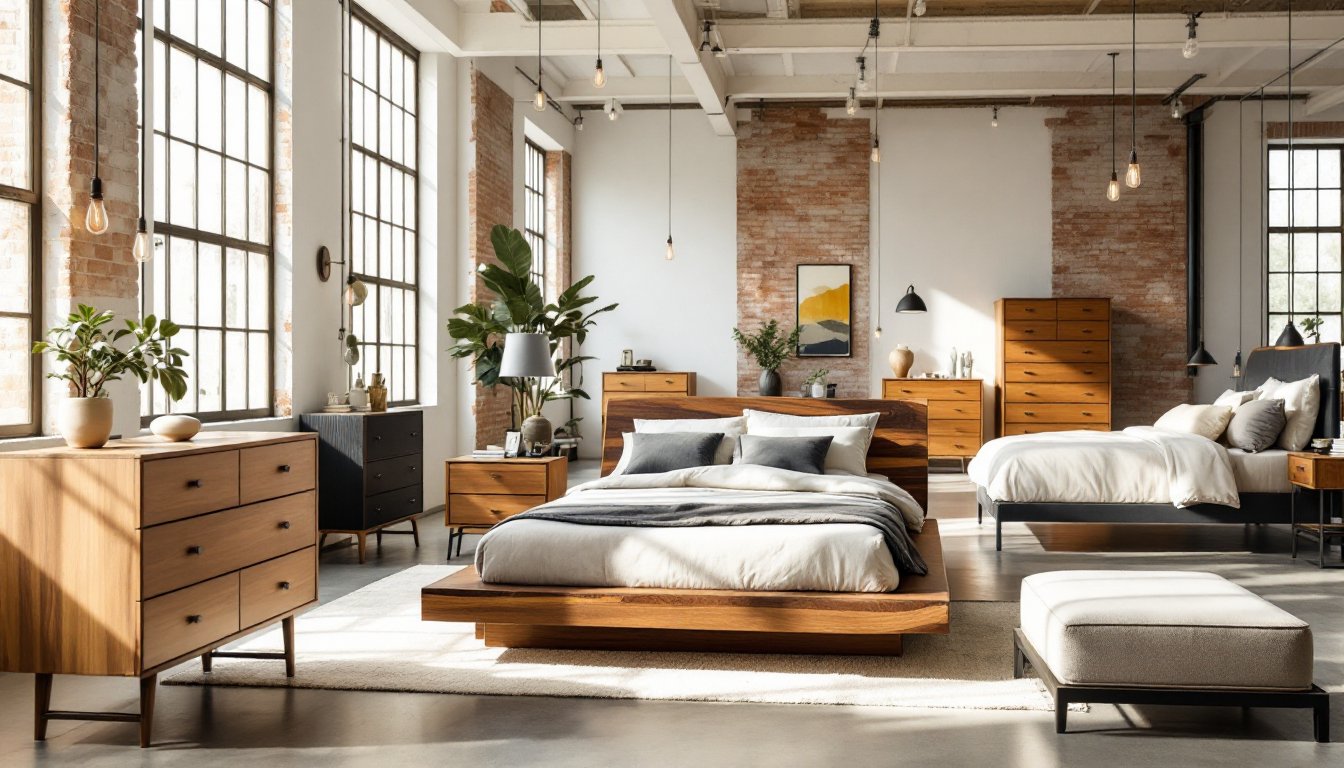
Austin’s bedroom furniture scene is as eclectic as the city itself, part Hill Country charm, part urban contemporary, with a healthy dose of vintage weirdness thrown in. Whether someone’s furnishing a renovated bungalow in Hyde Park or a new build in Cedar Park, the options range from locally crafted hardwood pieces to budget-friendly big-box finds. But navigating the market requires understanding what makes Austin different: the climate plays havoc with certain materials, the local aesthetic skews casual, and the mix of national chains, independent showrooms, and thriving secondhand markets can overwhelm newcomers. This guide walks through where to shop, what to consider, and how to match furniture choices to both lifestyle and budget.
Table of Contents
ToggleKey Takeaways
- Austin’s bedroom furniture market emphasizes solid wood construction and climate-appropriate materials due to the region’s humid subtropical conditions that cause swelling, warping, and delamination in lower-quality furniture.
- Local shopping corridors like South Congress, Burnet Road, and the Domain offer diverse bedroom furniture options ranging from custom handcrafted pieces to budget-friendly mass-market alternatives.
- Quality drawer construction—featuring dovetail joinery, metal ball-bearing slides, and full-extension mechanisms—is critical for bedroom furniture durability in Austin’s hot, humid climate and casual household environment.
- Austin’s vintage and secondhand bedroom furniture market provides excellent value through estate sales, Habitat for Humanity ReStore, and online marketplaces, but requires careful inspection for structural integrity and off-gassing.
- Budget-conscious shoppers can furnish a complete bedroom for $800–$1,200 using IKEA or national chains during holiday sales, while custom locally-made bedroom furniture from Austin woodworkers costs $2,000–$3,000+ but offers superior longevity and customization.
- Proper measurement of doorways, baseboards, and room dimensions is essential before purchasing bedroom furniture, especially in Austin’s mix of historic homes with tight spaces and new builds with oversized layouts.
Why Austin’s Bedroom Furniture Market Is Unique
Austin sits in a transition zone where humid subtropical weather meets semi-arid conditions, creating challenges for bedroom furniture that don’t exist in, say, Phoenix or Portland. Solid wood pieces, especially those without proper finish sealing, can expand and contract with seasonal humidity swings, leading to warped drawer fronts and sticky slides. Particleboard and MDF furniture fares poorly in un-air-conditioned spaces during the brutal summer months, when attic bedrooms can hit 90°F even with AC running downstairs.
The city’s design culture leans heavily toward mid-century modern, industrial, and what locals call “Texas eclectic”, a mix of ranch-style simplicity and urban edge. Walk into most Austin showrooms and the floor models emphasize low-profile platform beds, live-edge wood headboards, and metal-framed pieces with reclaimed materials. That’s not an accident. The aesthetic matches both the climate (lighter, less bulky furniture feels better in hot weather) and the demographic (a younger, design-conscious population that skews anti-traditional).
Local buying habits also differ. Austin shoppers are more likely to mix high and low: a custom walnut dresser from a local maker paired with an IKEA bed frame. There’s less brand loyalty and more emphasis on provenance, where it’s made, whether it’s sustainable, and if it supports local craftspeople. That creates opportunities for smart shoppers but also means doing assignments before committing to a purchase.
Top Places to Shop for Bedroom Furniture in Austin
Local Austin Furniture Stores and Showrooms
Austin’s independent furniture stores cluster in a few key corridors. South Congress (SoCo) remains ground zero for eclectic showrooms mixing new and vintage, though prices reflect the tourist traffic. Burnet Road offers a higher concentration of mid-range retailers with better parking and less weekend congestion. For contemporary pieces, the Domain shopping center houses several national chains alongside local boutiques.
Local standouts include stores specializing in solid wood construction, look for dovetail joinery in drawers (a sign of quality) and mortise-and-tenon joints in bed frames. These techniques hold up better than stapled or dowel-only construction, especially in Austin’s climate. Ask about finish types: polyurethane holds up well to humidity, while oil finishes require more maintenance but age beautifully.
Many showrooms offer delivery and assembly, but clarify whether that includes hauling away old furniture and navigating stairs. A queen bed frame and dresser can weigh 300+ pounds combined, and most delivery crews charge extra for second-floor access in homes without ground-level bedrooms.
Vintage and Secondhand Bedroom Furniture Finds
Austin’s vintage furniture market is robust, fed by constant population turnover and a culture that values reuse. Top Drawer Thrift on South Lamar and Habitat for Humanity ReStore locations stock regular bedroom furniture arrivals, though quality varies wildly. Serious hunters hit estate sales in Tarrytown and Travis Heights on weekends, that’s where mid-century solid wood pieces surface at reasonable prices.
When buying secondhand bedroom furniture, inspect drawer slides carefully. Metal ball-bearing slides can be replaced cheaply: broken wooden center-mount slides often mean the whole dresser needs structural repair. Check for off-gassing smells (old particle board can reek) and bed bug evidence, small dark spots in joints and seams. Solid wood can almost always be refinished, but veneer damage is hard to repair without specialized tools.
Online marketplaces like Facebook Marketplace and Craigslist turn over inventory fast. Good deals disappear within hours, especially for quality pieces under $300. Be prepared to rent a pickup truck: most sellers won’t deliver, and professional movers charge $100+ for small loads.
Choosing Bedroom Furniture That Matches Austin’s Climate and Lifestyle
Climate considerations should drive material choices. Solid hardwoods, oak, walnut, maple, perform well if they’re properly finished and the bedroom maintains reasonable temperature control. Engineered woods (plywood, MDF) work fine in climate-controlled spaces but can delaminate in garages converted to bedrooms or poorly insulated additions. Metal bed frames and dressers with powder-coated finishes handle heat and humidity without issue, though they conduct temperature (cold to the touch in winter, warm in summer).
Austin’s casual lifestyle means bedroom furniture takes more daily wear than in formal households. Platform beds with built-in storage are popular because they eliminate the need for separate box springs (which trap heat) and provide practical space for off-season clothes and gear. Look for three-quarter extension drawer slides at minimum: full-extension slides allow access to the entire drawer depth, crucial for deep dressers.
Pet owners should consider furniture height and materials carefully. Beds 16-18 inches off the ground create enough clearance for robot vacuums and discourage pets from claiming the underside as territory. Leather and faux-leather upholstered headboards show claw damage quickly: fabric with tight weaves (linen, canvas) holds up better. Some buyers influenced by contemporary design trends prioritize clean lines and durable materials that withstand both climate and daily use.
Sizing matters in Austin’s diverse housing stock. Historic homes often have smaller bedrooms (10×12 is common in pre-1950 builds), while new construction leans toward oversized primaries. Measure door openings, standard interior doors are 30-32 inches wide, but older homes may have 28-inch openings that won’t accommodate wide dressers or pre-assembled bed frames. Account for baseboards (usually 3-5 inches) when measuring wall space: furniture pushed tight against walls often leaves visible gaps.
Budget-Friendly Bedroom Furniture Options in Austin
Budget-conscious shoppers can furnish a bedroom for $800-$1,200 if they’re strategic. IKEA’s Round Rock location stocks affordable bedroom sets built from particleboard and fiberboard: their PAX wardrobe system and MALM dresser line offer decent value for apartments and starter homes. Expect a 5-7 year lifespan with careful use. Assembly is required, budget 3-4 hours for a queen bed frame and dresser, and keep a power drill handy for the cam-lock fasteners (they strip easily with the included Allen wrench).
National chains like Ashley Furniture and Rooms To Go operate Austin-area showrooms with regular sales events. Their entry-level bedroom sets ($600-$900 for bed, dresser, and nightstand) use engineered wood with laminate or vinyl veneers. Pay attention to drawer construction, stapled corners fail quickly. Better budget lines use dowel-and-glue construction with corner blocks for reinforcement. Resources like Ashley sectionals show how major retailers balance cost and construction quality.
For immediate needs, Big Lots and Target stock ready-to-assemble bedroom furniture under $500 per piece. Quality is minimal, expect particleboard with paper veneer, but it serves short-term purposes like staging a rental or furnishing a kid’s room they’ll outgrow. These pieces don’t survive multiple moves: the fastener holes strip out and panels chip.
Timing purchases around holiday sales (Memorial Day, Labor Day, Black Friday) can yield 20-40% discounts at most retailers. Floor models offer another savings opportunity, 10-30% off for minor cosmetic wear. Inspect floor models carefully for structural damage, not just scratches. Drawers should slide smoothly, and bed frames shouldn’t wobble when pushed laterally.
Custom and Locally-Made Bedroom Furniture in Austin
Austin’s maker community includes dozens of woodworkers and furniture builders crafting custom bedroom pieces from locally sourced materials. Texas hardwoods, especially cedar, mesquite, and pecan, appear frequently, along with live-edge slabs that preserve the tree’s natural edge. Custom work starts around $2,000 for a platform bed frame and scales up quickly for complete bedroom sets with matching dressers and nightstands.
The advantages go beyond aesthetics. Local makers can modify dimensions to fit tricky spaces, sloped ceilings in A-frame additions, odd wall angles in converted attics, or specific heights for accessibility needs. They’ll match existing wood tones and accommodate structural requirements like extra bed frame support for heavier sleepers (standard bed frames assume 500-600 pounds total: larger individuals may need reinforced center supports).
Finish options matter for longevity. Hardwax oil finishes penetrate the wood and can be spot-repaired easily: catalyzed lacquer creates a durable surface resistant to water rings and scratches but requires professional refinishing when damaged. Discuss maintenance requirements upfront, some finishes need annual reapplication, others last decades untouched.
Many Austin makers work through co-ops and shared workshop spaces. Texas Woodcraft and similar guilds host periodic sales where buyers can commission work directly. Lead times run 6-12 weeks for custom pieces, longer during peak seasons (spring and fall when moving activity spikes). Design enthusiasts browsing modern furniture ideas often bring reference images to makers who can adapt designs to local materials and construction preferences.
Expect to pay $150-$250 per linear foot for solid hardwood case goods (dressers, nightstands) and $1,500-$3,000 for platform beds with integrated storage or upholstered elements. That’s 2-3x the cost of comparable mass-market furniture, but custom pieces often outlast factory furniture by decades. Request joinery details in writing, dovetails, mortise-and-tenon, or domino joinery all indicate serious construction that justifies the premium pricing. For additional inspiration on balancing form and function, resources like interior design galleries showcase how custom furniture integrates into complete bedroom spaces.