
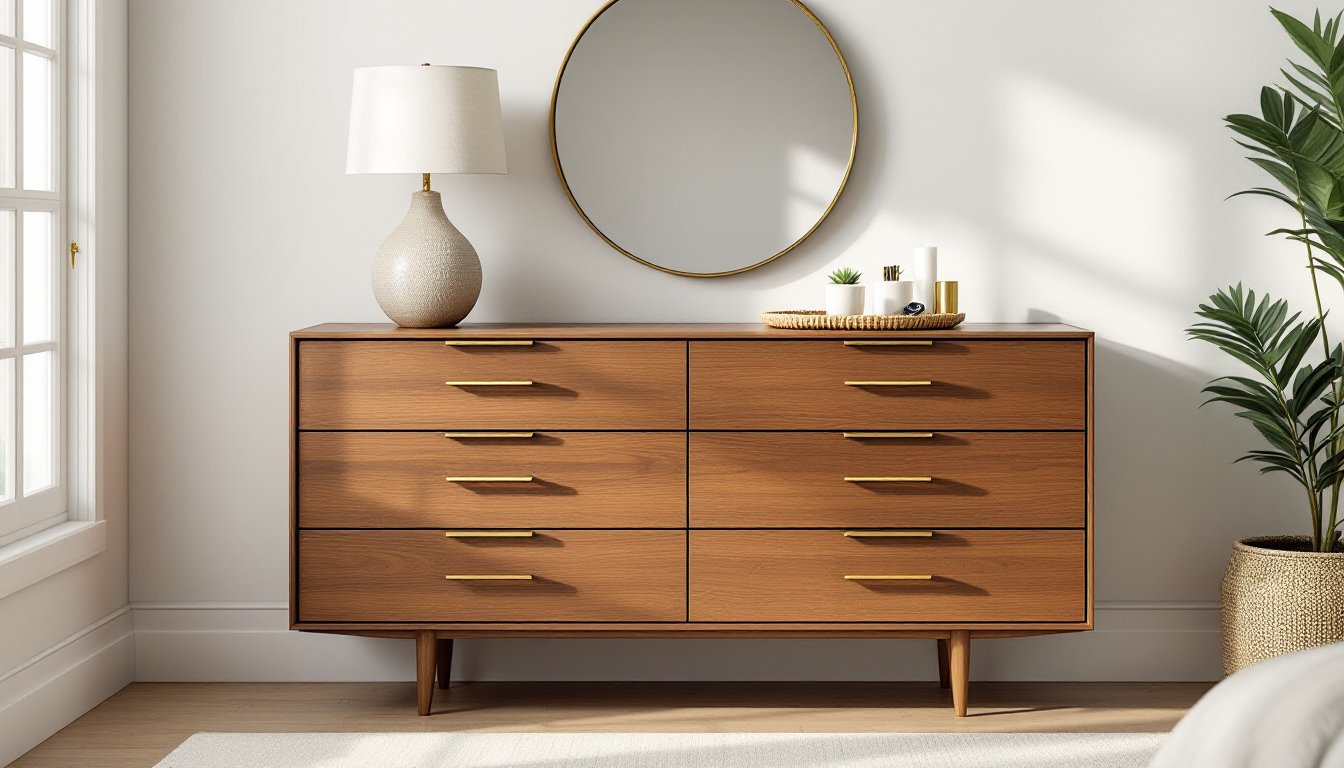
A dresser is one of those pieces of furniture that silently carries the weight of daily life, literally. It holds everything from jeans and sweaters to spare batteries and pocket change, all while anchoring a bedroom’s visual layout. But choosing the right one isn’t just about finding something with drawers. The wrong size crowds a room. The wrong material squeaks and sags within a year. The wrong configuration leaves you digging through piles every morning. Whether someone’s furnishing a first apartment, upgrading from a hand-me-down particle board unit, or building custom storage from scratch, the dresser they choose will shape both function and flow for years to come.
Table of Contents
ToggleKey Takeaways
- A bedroom dresser provides essential vertical storage for folded clothing and accessories while anchoring your room’s visual layout and defining its functionality.
- Standard bedroom dresser sizes range from 30-40 inches tall and 16-20 inches deep, with styles including horizontal dressers, tall chests, combo dressers, and modular units designed for different space constraints and storage needs.
- Solid wood dressers offer superior durability and longevity compared to particleboard or MDF, with quality mortise-and-tenon joinery and ball-bearing drawer slides ensuring smooth operation for decades.
- Proper sizing is critical—measure your space first, ensure 36 inches of clearance for drawer access, and account for door swing and traffic flow to avoid a cramped or poorly functioning bedroom layout.
- Secure tall dressers over 30 inches with furniture anchors to prevent tipping, especially in homes with young children, as recommended by the Consumer Product Safety Commission.
- Keep your dresser organized and functional by using drawer dividers, rolling clothes instead of stacking, assigning drawers by category, and avoiding overfilling to prevent stress on drawer slides.
What Is a Bedroom Dresser and Why You Need One
A bedroom dresser is a freestanding piece of furniture with multiple horizontal drawers stacked vertically, designed primarily for clothing storage. Unlike wardrobes or armoires (which hang garments), dressers organize folded items, T-shirts, underwear, socks, linens, and accessories.
Most dressers stand between 30 and 40 inches tall, making the top surface ideal for lamps, decor, or a mirror. Standard depth runs 16 to 20 inches, shallow enough to fit against most walls without eating up floor space.
Why they matter: Dressers create vertical storage in bedrooms where closet space is limited or nonexistent. They keep clothing visible and accessible without the dig-and-dump chaos of bins or baskets. A well-chosen dresser also defines a room’s layout, it can anchor a wall, frame a window, or balance a bed’s visual weight.
For DIYers and renters, dressers offer flexibility. They move between rooms, adapt to changing needs, and, if built or refinished at home, can be customized to exact dimensions and finishes that match existing furniture.
Types of Bedroom Dressers to Consider
Dresser styles vary by drawer count, height, and configuration. Here’s what to know:
Standard horizontal dresser: Wide and low (typically 6 to 9 drawers), usually 50 to 70 inches across. Fits well under windows or behind doors. Top surface works as a display or vanity area.
Tall chest (or chest of drawers): Narrow and vertical, 4 to 6 drawers stacked high. Footprint is compact, ideal for tight bedrooms or walk-in closets. Less top surface, but maximum storage per square foot.
Combo dresser (or gentleman’s chest): Blends drawers on one side with a cabinet or shelving on the other. Good for mixed storage needs, hanging space for jackets, shelves for shoes or bags.
Double dresser: Extra-wide (60+ inches), often 8 to 12 drawers. Built for couples or anyone with a serious wardrobe. Requires wall space and a larger bedroom to avoid crowding.
Campaign or modular dressers: Feature removable hardware, stacking units, or reconfigurable layouts. Popular in small spaces or for renters who move frequently.
For DIYers interested in building from scratch, many large 4 drawer dresser plans offer step-by-step instructions using common lumber and pocket-hole joinery, a solid starter project for intermediate builders.
How to Choose the Right Dresser Size for Your Bedroom
Size matters more than style when it comes to function and flow. A dresser that’s too large blocks pathways or overwhelms a small room. Too small, and it becomes a clutter magnet with overflow piling onto chairs and floors.
Measure the space first. Use a tape measure and painter’s tape to mark the dresser’s footprint on the floor and wall. Walk around it. Open imaginary drawers. Make sure there’s at least 36 inches of clearance in front for drawer access and movement.
Account for door swing and traffic flow. If the dresser sits near a bedroom or closet door, ensure drawers can fully extend without hitting the door when it’s open. In narrow rooms, a tall chest often works better than a wide horizontal dresser.
Consider ceiling height. In rooms with low ceilings (under 8 feet), a tall dresser can feel top-heavy. Horizontal dressers keep sightlines open and make the room feel wider.
Match storage needs to drawer count. Estimate what’s being stored. A couple sharing a bedroom might need 8 to 12 drawers total: a single person with a walk-in closet might only need 4 to 6.
Think about scale and proportion. A king-size bed in a spacious master can handle a 70-inch double dresser. A twin bed in a 10×10 room pairs better with a compact 4-drawer chest.
If space is tight, modular or stackable options, sometimes found in creative IKEA furniture modifications, let users customize height and width without committing to a single fixed piece.
Materials and Finishes: Finding Your Perfect Match
Material choice affects durability, cost, and how a dresser holds up to daily use. Here’s a breakdown:
Solid wood (oak, maple, walnut, pine): The gold standard. Strong, repairable, and ages well. Expect to pay more, but a solid wood dresser can last decades. Joints are typically mortise-and-tenon or dovetail. Drawers glide smoothly if built with quality hardware.
Plywood (hardwood veneer over plywood core): A step down from solid wood but still sturdy. Veneer can chip if damaged, but the core resists warping better than solid lumber in humid climates. Common in mid-range furniture.
MDF or particleboard (with laminate or veneer): Budget-friendly and lightweight. Fine for light use, but won’t handle heavy loads or repeated moves. Screw holes strip easily, and water damage is irreversible. Avoid this for long-term or high-traffic bedrooms.
Metal or industrial frames: Durable and modern, often paired with wood drawer fronts. Good for loft-style or minimalist spaces. Check drawer slides, ball-bearing slides are smoother and longer-lasting than plastic.
Finish options: Paint, stain, or natural oil. Painted finishes hide wood grain and offer unlimited color choices. Stain enhances natural grain but shows scratches more easily. Oil finishes (like tung or linseed) protect wood while maintaining a raw, matte look, popular in Scandinavian or rustic designs.
For those tackling refinishing or building projects, resources like beginner woodworking projects provide accessible tutorials on joinery, finishing techniques, and tool selection that apply directly to dresser builds.
Styling Your Dresser for Maximum Impact
A dresser isn’t just storage, it’s a horizontal surface begging for intentional styling. But overdoing it turns functional furniture into a dust-collecting shelf.
Start with a focal point. A mirror, piece of art, or large plant draws the eye and anchors the arrangement. Lean a framed mirror against the wall rather than hanging it for a casual, layered look.
Use the rule of three. Group items in odd numbers, three candlesticks, a lamp plus two small objects. Vary height to create visual interest without clutter.
Add functional decor. A wooden tray corrals jewelry, watches, or keys. A small dish holds pocket change. A table lamp provides task lighting for getting dressed or reading.
Layer textures. Combine wood, metal, ceramic, and fabric. A woven basket, brass picture frame, and linen table runner create depth without competing for attention.
Leave breathing room. Don’t fill every inch. Empty space lets each object stand out and makes dusting easier.
Consider scale. On a wide double dresser, one tiny vase looks lost. Use larger objects or group smaller items together to match the dresser’s footprint.
Safety first: If the dresser is tall or top-heavy, secure it to the wall with furniture anchors (L-brackets or anti-tip straps). This is especially critical in homes with young children. Most building codes don’t require it, but the Consumer Product Safety Commission strongly recommends anchoring any furniture over 30 inches tall.
Dresser Organization Tips and Hacks
Even the best dresser becomes a junk drawer without a system. Here’s how to keep it functional:
Use drawer dividers. Bamboo or acrylic dividers corral socks, underwear, and accessories. Adjustable versions fit any drawer width. They prevent the slow avalanche that happens when digging for a matching sock.
Roll, don’t stack. Rolling T-shirts and casual tops saves space and keeps everything visible. Stacking creates piles that collapse when the bottom item is pulled.
Assign drawers by category. Top drawers for daily essentials (underwear, socks). Middle drawers for tops and pants. Bottom drawers for bulky items like sweaters or gym clothes. Stick to the system.
Line drawers with shelf liner. Non-slip liners keep items from shifting and protect wood or veneer from snags and moisture. Cedar liners add a fresh scent and deter moths in drawers storing wool or cashmere.
Maximize vertical space inside drawers. Stackable drawer organizers or small bins create layers, doubling usable space without cramming.
Label if sharing. In kids’ rooms or shared bedrooms, labels (even temporary ones) help everyone stay organized and reduce the “where’s my stuff?” factor.
Seasonal rotation. Store off-season clothing in bottom drawers or under-bed bins. Swap contents when the weather changes to keep daily-use items easily accessible.
Don’t overfill. If a drawer won’t close smoothly, it’s too full. Overstuffed drawers stress drawer slides, warp fronts, and make everything harder to find.
Conclusion
The right dresser does more than hold clothes, it shapes how a bedroom functions and feels. Whether someone’s buying ready-made, refinishing a thrift store find, or building from plans, the best choice balances size, material, and storage needs with the realities of the space. Measure carefully, choose materials that match intended use, and don’t skip the wall anchor. A well-chosen, thoughtfully organized dresser becomes one of those pieces that just works, quietly, reliably, for years.