
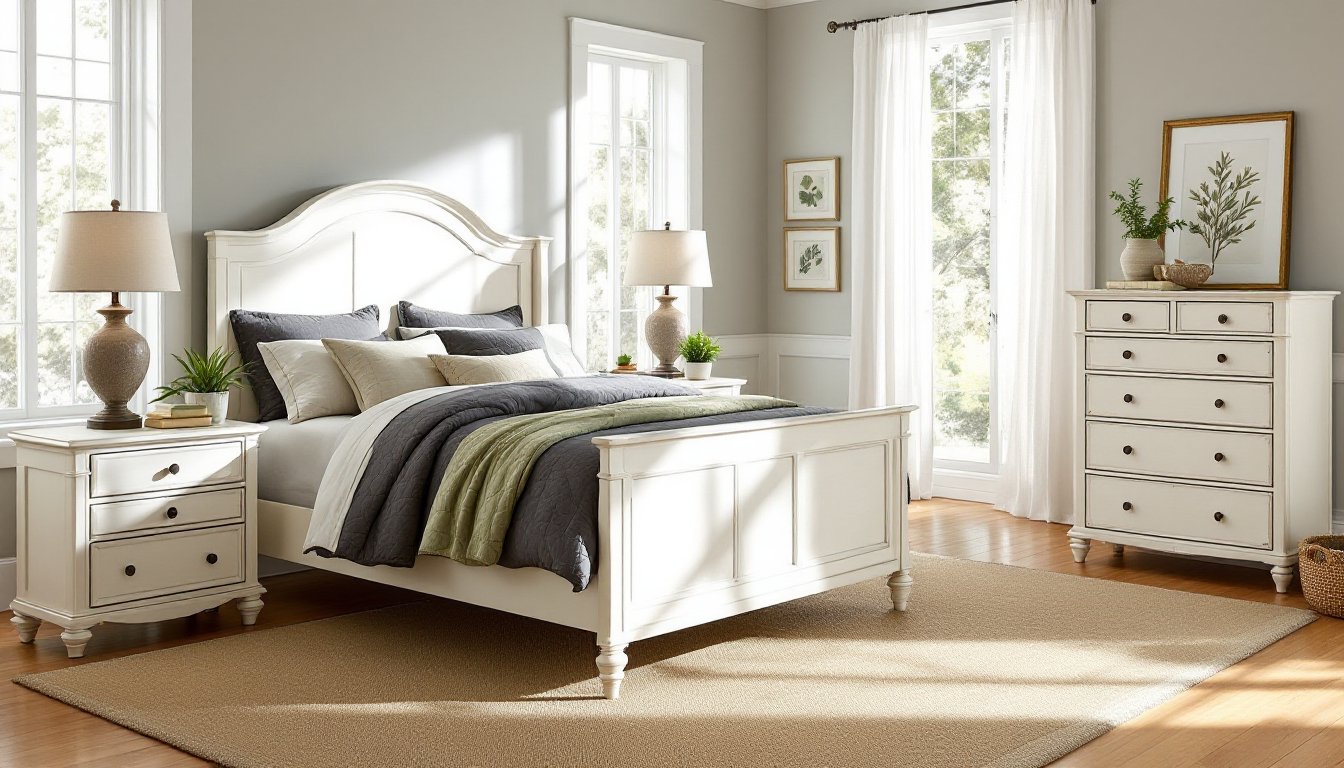
Antique white isn’t just another paint chip, it’s one of the most forgiving, adaptable finishes in furniture design. Unlike stark whites that show every scuff or cream tones that clash with cool palettes, antique white sits in that sweet spot: warm enough to feel inviting, neutral enough to anchor almost any style. For bedrooms, where furniture sees daily use and needs to work with changing bedding, art, and lighting, this finish offers staying power. Whether someone’s inheriting a set, refinishing existing pieces, or shopping new, understanding what makes antique white work, and how to maintain it, saves regret down the line.
Table of Contents
ToggleKey Takeaways
- Antique white bedroom furniture sits in the sweet spot between pure white and cream, featuring subtle undertones (yellow, beige, or gray) that hide minor wear while remaining adaptable to any bedroom style or lighting condition.
- Essential antique white bedroom furniture pieces include bed frames, dressers with dovetail joinery, nightstands matched to mattress height, and storage solutions like armoires, which should be evaluated for room dimensions and quality construction.
- Styling antique white furniture requires contrasting bedding colors (navy, sage, blush), consistent hardware finishes, a complementary wall color, and proper area rugs to visually anchor the pieces and create a cohesive design.
- Antique white works beautifully in both traditional and farmhouse aesthetics with vintage accents, and in modern minimalist designs when paired with clean-lined furniture and geometric accessories that let the finish provide warmth without visual clutter.
- Weekly dusting with microfiber cloths, gentle soap-and-water cleaning, and protection from direct sunlight and humidity are essential to maintaining antique white bedroom furniture and preventing yellowing or deterioration over time.
- When refinishing existing pieces or building custom antique white bedroom furniture, proper surface preparation with 220-grit sanding, bonding primer application, and quality paint finishing ensures durability and long-term appearance in daily-use bedroom environments.
What Is Antique White and Why Does It Work So Well in Bedrooms?
Antique white is a warm white with subtle yellow, beige, or gray undertones, sometimes all three. It’s not a standardized color: manufacturers and paint companies each have their own formulas, but the defining trait is its aged, slightly weathered appearance. This gives it a softer look than pure white (like Decorator’s White or Ultra Pure White), which can feel clinical in residential settings.
The undertones are what make antique white bedroom furniture so adaptable. Yellow-leaning versions (often called “ivory” or “cream white”) pair beautifully with warm woods, brass hardware, and earth tones. Gray-tinged antique whites lean cooler and complement chrome, stainless finishes, and contemporary palettes. Beige-based versions split the difference, working in transitional spaces that blend old and new.
In bedrooms specifically, antique white does three things well. First, it brightens without glare, important in rooms with limited natural light or north-facing windows. Second, it hides minor wear better than pure white: the soft undertones disguise small scratches, fingerprints, and dust. Third, it provides a neutral backdrop that doesn’t compete with bedding, art, or accent walls, making it easier to refresh the room’s look seasonally without replacing furniture.
One practical note: always check furniture in the room’s actual lighting before committing. Antique white can shift dramatically between fluorescent showroom lights and bedroom lamps. If buying online, request a sample swatch or plan for potential returns.
Popular Antique White Bedroom Furniture Pieces to Consider
Bed frames in antique white range from simple panel designs to more ornate sleigh or poster styles. Panel beds (with a flat headboard and footboard) suit smaller rooms and pair easily with upholstered headboards if someone wants to layer textures. Sleigh beds work well in traditional or farmhouse settings but require more floor space, expect to add 12–18 inches to the bed’s length for the curved footboard.
Dressers and chests of drawers are where antique white really earns its keep. These pieces accumulate scuffs from belt buckles, jewelry, and daily handling. The soft finish forgives minor dings better than dark stains, which show every scratch in high contrast. Look for dovetail joinery (the interlocking “fingers” at drawer corners) and full-extension drawer slides, cheap alternatives with stapled corners and side-mount slides won’t hold up, regardless of finish.
Nightstands should match the bed’s scale but don’t need to be a perfect set. Mixing a painted antique white nightstand with a wood bed creates visual interest without clashing, provided the undertones align. Aim for a nightstand height within 2–4 inches of the mattress top: taller feels awkward, shorter makes reaching for a phone or lamp inconvenient.
Armoires and wardrobes provide serious storage in older homes lacking closet space. These are substantial pieces, often 6–7 feet tall and 150+ pounds. Confirm ceiling height (standard is 8 feet, but basements and vintage homes may be lower) and doorway width before purchasing. Many antique white armoires come with adjustable shelving and hanging rods, making them flexible for seasonal wardrobe changes.
Vanities or makeup tables in antique white fit well in larger bedrooms or dressing areas. Pair them with a cushioned stool (upholstered in a complementary fabric) and good task lighting. These pieces often feature smaller drawers ideal for organizing jewelry, cosmetics, and accessories, but check drawer depth. Shallow drawers (less than 3 inches) limit functionality.
Styling Tips: Creating a Cohesive Look with Antique White Furniture
Start with bedding that introduces color or pattern. Antique white furniture acts as a canvas, so this is where personality comes in. Layering a duvet, quilts, or coverlets in navy, sage, blush, or charcoal creates contrast without overwhelming the space. Avoid all-white bedding unless the goal is a hotel-minimalist look: it tends to wash out antique white furniture rather than complement it.
Hardware upgrades can shift a piece’s entire vibe. Swapping stock knobs for oil-rubbed bronze, brushed nickel, or ceramic pulls takes minutes and costs $3–8 per pull. For traditional looks, use cup pulls or bail handles (the ones with a curved grip). Modern styles benefit from bar pulls or simple knobs. Keep finishes consistent across all furniture in the room, mixing metals works in kitchens, less so in bedrooms where the eye expects cohesion.
Wall color matters more than most realize. Soft grays (like Repose Gray or Agreeable Gray) provide contrast while keeping the room light. Warm neutrals (greiges, taupes) harmonize with yellow-toned antique whites. Avoid stark white walls, they make antique white furniture look dingy by comparison. If the room has dark walls (navy, charcoal, forest green), antique white furniture pops but requires sufficient lighting to prevent the space from feeling cave-like.
Expert advice on selecting vintage furniture pieces highlights the importance of quality construction and timeless appeal. Look for solid wood frames, not particleboard with a veneer.
Rugs anchor the furniture visually. A large area rug (at least 8×10 for a queen bed, 9×12 for a king) should extend beyond the nightstands on both sides and at least 18 inches past the foot of the bed. Natural fibers like jute or sisal work in casual settings: wool or wool-blend rugs suit traditional rooms and handle foot traffic better. Avoid tiny accent rugs that float in the middle of the room, they chop up the space and make furniture look disconnected.
Pairing Antique White with Different Bedroom Styles
Traditional and Farmhouse Aesthetics
Antique white furniture originated in these styles, so it’s a natural fit. For traditional bedrooms, pair it with rich wood accents (walnut, cherry, or mahogany side tables), upholstered headboards in linen or velvet, and classic lighting like swing-arm sconces or ceramic table lamps. Window treatments should be layered, wood blinds or shutters with linen drapes, to soften the look.
Farmhouse and cottage styles lean into the weathered aspect of antique white. Distressed finishes (intentional dings, worn edges) fit here. Add shiplap accent walls, reclaimed wood picture frames, and woven baskets for texture. Many enthusiasts turn to free furniture plans from builders to create custom pieces that match the farmhouse aesthetic.
Bedding in these styles benefits from quilts, cotton matelassé coverlets, or vintage-inspired florals. Avoid overly slick or shiny fabrics, stick to matte or slightly textured materials. Hardware should feel handcrafted: wrought iron, antiqued brass, or ceramic knobs with hand-painted details. Regional design inspiration, especially from Southern home traditions, often emphasizes this layered, collected-over-time look that antique white supports.
Modern and Minimalist Approaches
Antique white works in modern bedrooms when treated as a neutral foundation, not a focal point. Choose furniture with clean lines, flat-panel headboards, simple dressers with minimal ornamentation, and streamlined nightstands. Skip ornate carvings or fussy details.
Pair with crisp accents: geometric bedding, monochromatic art, and metal lighting (matte black, polished chrome, or brushed brass). Keep accessories minimal, one or two statement pieces, not a dozen small items. The goal is to let the furniture recede visually while contributing brightness.
Minimalist bedrooms benefit from antique white’s warmth without clutter. Use built-in storage where possible and limit furniture to essentials: bed, nightstands, one dresser. Window treatments should be simple, roller shades, linen panels on a single rod, or no treatments if privacy allows. Flooring in these spaces often leans toward wide-plank hardwood or polished concrete, which contrasts nicely with the soft furniture finish.
Maintaining and Caring for Antique White Bedroom Furniture
Dusting matters more than most realize. Use a microfiber cloth or lamb’s wool duster weekly, feather dusters just scatter particles. Dust buildup, especially on carved details or molding, darkens antique white over time and makes it look aged in the wrong way. For detailed areas, a soft-bristle brush (like a clean paintbrush) dislodges dust from crevices.
Cleaning should be gentle. Mix a few drops of dish soap (Dawn or similar) in warm water, dampen a cloth (wring it nearly dry), and wipe surfaces. Dry immediately with a second cloth to prevent water spots or swelling at joints. Avoid all-purpose cleaners with ammonia or bleach, they strip finish and yellow white paint over time. For stubborn marks, a paste of baking soda and water works on most painted finishes, but test in an inconspicuous spot first.
Touch-ups extend furniture life. Small scratches can be filled with a white furniture marker or touch-up paint in the matching shade (many furniture manufacturers sell these: otherwise, test Benjamin Moore’s “White Dove” or Sherwin-Williams’ “Alabaster” as close matches). For deeper gouges, use wood filler, sand smooth with 220-grit sandpaper, then touch up with paint. If the piece is distressed intentionally, minor new dings may add character rather than detract, use judgment.
Protect from sunlight and humidity. Direct sun yellows white paint, especially oil-based finishes. Use window treatments or UV-filtering film on south and west windows. In humid climates (anything consistently above 60% humidity), antique white furniture can develop mildew in corners or along backing. Ensure good airflow, don’t push furniture flush against exterior walls, and run a dehumidifier if necessary.
Hardware maintenance is simple but often skipped. Every six months, remove drawer pulls and knobs, clean with soapy water (dry thoroughly), and check mounting screws. Loose hardware causes stress on the wood and accelerates wear. If screws strip out over time, move to a slightly larger gauge screw or fill the hole with wood glue and a toothpick, let dry, then re-drill.
For anyone refinishing existing furniture to achieve antique white, proper prep is non-negotiable. Sand surfaces to remove gloss (120-grit, then 220-grit), clean with tack cloth, apply a bonding primer (such as Zinsser B-I-N or Kilz Premium), then two coats of satin or eggshell latex paint. Seal with a water-based polyurethane if the piece sees heavy use. Skip any of these steps, and the finish won’t hold up to daily bedroom wear. If building custom furniture from scratch, following structured plans from resources like Ana White’s tutorials ensures solid construction that justifies the finish work.