
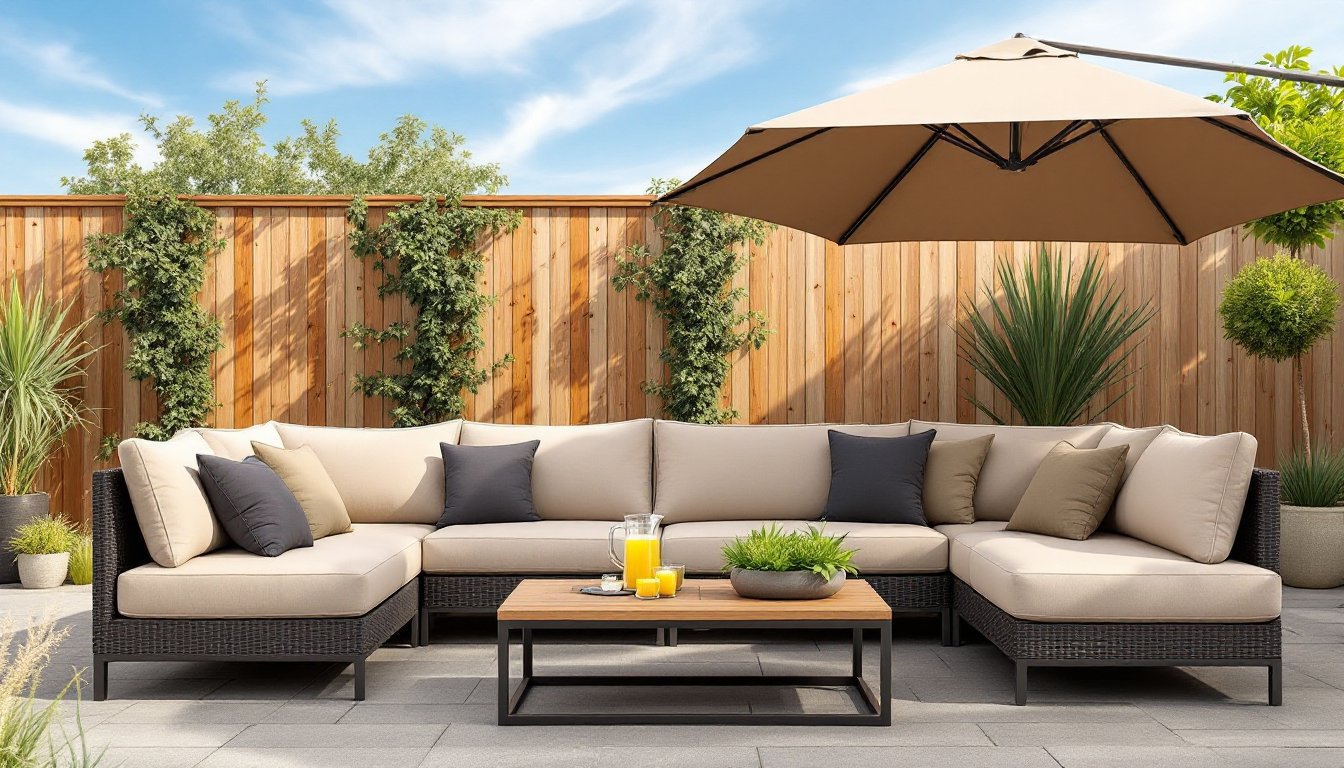
Outdoor furniture takes a beating. Sun, rain, humidity, and temperature swings can turn a brand-new patio set into a faded, mildewed mess within a single season. That’s where Sunbrella patio furniture changes the game. Featuring fabric engineered to resist UV damage, mold, and moisture, Sunbrella-equipped pieces deliver years of reliable service without the constant upkeep that plagues cheaper alternatives. Whether you’re outfitting a covered porch or an exposed deck, understanding what sets Sunbrella apart, and how to choose and care for it, helps you make a smart investment that actually lasts.
Table of Contents
ToggleKey Takeaways
- Sunbrella patio furniture uses solution-dyed acrylic fabric that resists UV damage, mold, and moisture, delivering years of reliable outdoor performance with minimal upkeep.
- Choose frame materials based on your climate: aluminum for hot, sunny areas; resin wicker with welded subframes for humid regions; and marine-grade stainless or teak for coastal salt spray.
- Regular maintenance like weekly brushing, monthly frame cleaning, and proper seasonal storage prevents costly repairs and extends the lifespan of your Sunbrella furniture investment.
- Quick-dry foam in cushions is essential for humid climates, as standard upholstery foam can trap moisture and mildew even under Sunbrella covers.
- Sunbrella patio furniture offers diverse style options beyond basic stripes, with neutral, dark, and patterned fabrics available to match any outdoor design vision.
- While water-resistant, Sunbrella fabric isn’t waterproof and requires covers or indoor storage during prolonged heavy rain or winter freeze-thaw cycles.
What Makes Sunbrella Patio Furniture Special?
Sunbrella fabric isn’t a coating or treatment sprayed onto cheap polyester. It’s a solution-dyed acrylic, meaning the color is locked into the fiber before it’s woven. This process makes the material exceptionally fade-resistant, Sunbrella warranties many fabrics for five years or more against UV degradation, even in full sun.
The tight weave and water-repellent finish also mean spills bead up instead of soaking in. Mildew and mold struggle to take hold, a critical advantage in humid climates where cushions would otherwise turn black and musty by mid-summer. Sunbrella fabrics are also breathable, so they dry faster than vinyl or treated polyester after a rainstorm.
Patio furniture with Sunbrella cushions typically pairs this high-performance fabric with frames built from materials like powder-coated aluminum, all-weather wicker (resin weave over aluminum), or teak. The result is a complete package designed to withstand the elements without daily fussing. You’re not dragging cushions inside every evening or scrubbing mildew every spring.
One practical note: Sunbrella isn’t waterproof. Water resistance means the fabric sheds most moisture, but a week of heavy rain will eventually soak through. For prolonged wet weather or winter storage, you’ll still want covers or indoor storage.
Types of Sunbrella Patio Furniture for Every Outdoor Space
Sunbrella fabric shows up across nearly every outdoor furniture category. Here’s what to expect:
Deep-Seating Sets
Sectionals, sofas, and lounge chairs with thick cushions (typically 4–6 inches of high-density foam wrapped in Sunbrella) deliver living-room comfort outdoors. Frames are usually aluminum or resin wicker. These sets work well on covered patios or decks where you can leave them out year-round in moderate climates.
Dining Sets
Chairs with Sunbrella seat cushions paired with aluminum, teak, or steel tables. Look for quick-dry foam cores in the cushions, standard upholstery foam takes forever to dry and can mildew even under Sunbrella covers. Quick-dry foam drains water in hours, not days.
Chaise Lounges and Daybeds
Poolside staples. Many feature adjustable backs and come with coordinating Sunbrella pillows. Powder-coated aluminum frames resist chlorine and salt spray better than steel, which can corrode even with a coating.
Accent Chairs and Ottomans
Adirondack-style chairs, rocking chairs, and ottomans often use Sunbrella for seat and back cushions. These pieces fill gaps in existing setups or create cozy conversation nooks.
Umbrellas and Shade Structures
Many outdoor furniture collections include Sunbrella canopy umbrellas rated for wind resistance and UV protection. A 9-foot cantilever umbrella with Sunbrella fabric can last five-plus years in full sun, compared to one or two seasons for bargain-store alternatives.
When shopping, verify that cushions are removable with zipper closures. This makes cleaning vastly easier and lets you swap covers if you want a color refresh down the line.
Choosing the Right Sunbrella Furniture for Your Climate
Sunbrella excels in sun and moisture, but frame materials and construction details matter just as much as fabric.
Hot, Sunny Climates (Southwest, Southern California)
UV is the primary enemy. Sunbrella handles this easily, but aluminum frames are the best bet, they don’t warp, crack, or fade. Avoid steel frames unless they’re marine-grade stainless: powder coating can chip in intense heat, exposing bare metal to rust. Lighter Sunbrella colors reflect heat better than dark tones, keeping cushions cooler to the touch.
Humid, Rainy Climates (Southeast, Gulf Coast)
Moisture and mildew are constant threats. Prioritize quick-dry foam in cushions and frames with drainage holes or slatted designs that don’t trap water. Resin wicker should have a fully welded aluminum subframe, cheaper versions use hollow steel tubing that rusts from the inside out. Sunbrella’s mold resistance is a major asset here, but you’ll still want to store cushions during prolonged wet spells.
Cold Winters with Freeze-Thaw Cycles (Midwest, Northeast)
Water trapped in joints or hollow sections expands when it freezes, cracking welds and splitting frames. Furniture needs winter storage or heavy-duty waterproof covers (not just water-resistant). Teak frames handle freeze-thaw well if left unfinished, but cushions should always come inside. Sunbrella won’t degrade in cold, but ice crystals can stress seams and zippers.
Coastal Areas (Salt Spray)
Salt accelerates corrosion on metal and degrades cheaper fabrics. Sunbrella resists salt damage, but frames must be aluminum, teak, or marine-grade stainless steel. Rinse furniture monthly with fresh water to prevent salt buildup, even on powder-coated finishes.
One honest caution: no outdoor furniture is truly maintenance-free. Sunbrella minimizes upkeep, but climate-appropriate frame selection and seasonal care are non-negotiable if you want a decade of service.
Caring for and Maintaining Sunbrella Patio Furniture
Sunbrella’s durability doesn’t mean “set it and forget it.” Regular light maintenance beats deferred heavy cleaning every time.
Routine Care
Brush off loose dirt and pollen weekly with a soft-bristle brush. For spills, blot immediately with a clean towel, don’t rub, which can push the stain deeper. Most food and drink wipe away with water and mild dish soap.
Frame Maintenance
Wipe aluminum and resin wicker frames monthly with soapy water and a microfiber cloth. Check joints and welds for hairline cracks or rust spots, especially after winter. Teak benefits from an annual application of teak oil or sealer if you want to maintain the golden color: left untreated, it weathers to silver-gray (which is structurally fine but a style choice).
Covers and Storage
Use breathable, waterproof covers during off-seasons. Avoid plastic tarps, they trap condensation and promote mildew. If storing cushions indoors, keep them in a dry, ventilated space. Damp basements or unheated garages can still harbor mold.
Cleaning Best Practices
For deeper cleaning, Sunbrella recommends this process:
- Mix a cleaning solution: Combine 1/4 cup mild dish soap (no detergents with bleach or harsh additives) per gallon of lukewarm water.
- Apply and scrub: Use a soft-bristle brush to work the solution into the fabric. For stubborn stains, grease, red wine, tree sap, let the solution sit for 15 minutes before scrubbing.
- Rinse thoroughly: Hose down the fabric until water runs clear. Soap residue attracts dirt, so don’t skip this step.
- Air-dry completely: Prop cushions on their edges in a shaded, ventilated area. Never use a dryer or direct heat source, which can shrink foam and weaken fabric seams.
For mold or mildew (more common in shaded, humid spots), add 1 cup white vinegar to the soap solution. Sunbrella fabrics can also handle a 10% bleach solution (1 part bleach to 9 parts water) for severe cases, but test on an inconspicuous seam first, some dye lots may lighten.
Machine Washing
Many Sunbrella cushion covers are machine-washable. Remove from foam inserts, wash in cold water on gentle cycle with mild detergent, and air-dry. Never use the dryer, high heat can melt polyester thread in seams.
Professional Cleaning
For large sectionals or built-in seating, consider annual professional cleaning. Upholstery cleaning services familiar with outdoor fabrics can steam-clean in place, saving you the hassle of disassembly.
Styling Your Outdoor Space with Sunbrella Furniture
Sunbrella’s color range has exploded beyond the old marina stripes and solid navy. You’ll find everything from subtle neutrals to bold tropical patterns, making it easy to match any design vision.
Color Selection
Light tones (beige, gray, white) create a clean, coastal vibe and stay cooler in the sun, but show dirt faster. Darker hues (charcoal, forest green, navy) hide stains and wear better in high-traffic areas but absorb more heat. Patterned fabrics, stripes, geometrics, florals, camouflage minor staining and add visual interest without paint or accessories.
Layering Textures
Combine Sunbrella cushions with natural materials like teak tables, jute outdoor rugs, or stone planters. The contrast between high-tech fabric and organic elements creates balance. For a polished look, match cushion colors to trim details on your home’s exterior, window frames, shutters, or painted siding.
Accessorizing
Sunbrella also makes outdoor pillows, throws, and rugs in matching or coordinating fabrics. Adding a few accent pillows in a bolder pattern can refresh a neutral set without replacing the whole thing. Outdoor rugs define seating zones and protect deck surfaces from furniture legs.
Lighting and Layout
Position deep-seating sets to take advantage of shade during peak sun hours, under pergolas, large umbrellas, or mature trees. String lights or solar path lights extend usability into evening hours. Leave at least 24 inches of clearance between furniture and walls or railings for easy movement and airflow.
For design inspiration, resources like Southern Living showcase porch and patio setups that blend Sunbrella durability with regional style, while The Spruce offers layout templates and color-pairing guides.
One stylistic caution: Sunbrella isn’t a band-aid for cheap frames. Pairing premium fabric with flimsy construction is a mismatch. Invest in well-built furniture that matches the fabric’s longevity, or you’ll replace wobbly frames while the cushions are still in perfect shape.
Conclusion
Patio furniture ft Sunbrella fabric shifts outdoor living from seasonal hassle to year-round asset. The combination of fade-proof, mold-resistant fabric and climate-appropriate frames delivers durability that justifies the upfront cost, especially when you factor in the replacement cycles and constant cleaning that cheaper alternatives demand. Choose frames that match your climate, commit to light routine maintenance, and you’ll have an outdoor space that works as hard as any room indoors.