
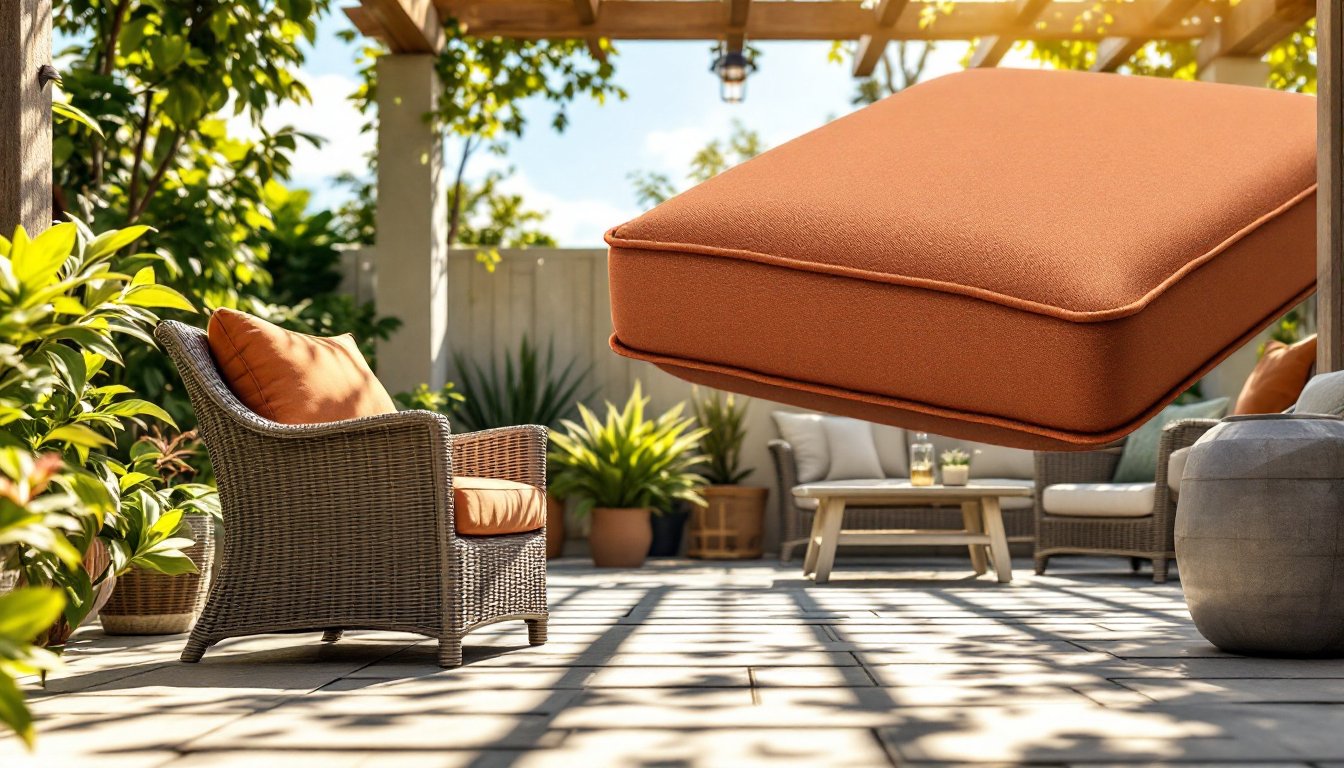
Patio furniture cushions take a beating. Sun, rain, mildew, pollen, and the occasional spilled margarita, they endure conditions that would ruin indoor upholstery in weeks. Yet many homeowners treat cushion selection as an afterthought, grabbing whatever’s on clearance and wondering why they’re replacing them every season. The right cushions aren’t just about comfort, they protect your furniture investment, resist fading and moisture, and can handle years of outdoor exposure when chosen correctly. This guide walks through fabric types, fill materials, sizing methods, and care strategies to help DIYers select cushions that actually last.
Table of Contents
ToggleKey Takeaways
- Quality cushions for patio furniture resist fading, shed water, and maintain structural integrity for 3–5 years, making them a worthwhile investment that protects furniture costing hundreds of dollars.
- Solution-dyed acrylic fabrics like Sunbrella offer superior UV resistance (1,000+ hours) and mildew resistance compared to cheaper polyester or olefin options that fade within 18–24 months.
- Accurate measurements are critical—subtract 1 inch from seat dimensions if adding a welt, account for cushion compression, and consider creating a cardboard template for irregular or curved furniture shapes.
- Monthly cleaning with mild soap and water, annual water-repellent treatment reapplication, and proper off-season storage in breathable containers prevent mold and extend cushion lifespan.
- Choose ready-made cushions for standard furniture sizes, DIY for custom dimensions if you have sewing skills, or hire a local upholstery shop for complex shapes to balance cost, quality, and convenience.
Why Quality Patio Furniture Cushions Matter
Cheap cushions fail fast. Within one season, bargain-bin options often show faded colors, sagging fill, split seams, and mildew stains. That’s not just an eyesore, it’s wasted money and time.
Quality cushions deliver three core benefits:
- UV resistance: Outdoor-rated fabrics use solution-dyed fibers that resist sun bleaching for 1,000+ hours of direct exposure (roughly 3-5 years in most climates).
- Water shedding: Proper fabrics and fills dry quickly after rain, preventing mold and rot that destroy both cushion and furniture frame.
- Structural integrity: Double-stitched seams, reinforced corners, and quality foam or fiber fill maintain shape and support through temperature swings and heavy use.
Poor cushions also accelerate furniture wear. Thin, compressed padding lets metal or wood frames contact your body directly, causing discomfort and scratching finishes. Over time, moisture trapped by non-breathable covers can corrode aluminum frames or rot wooden slats.
Investing in proper outdoor cushions, typically $40–$150 per seat cushion depending on size and fabric grade, protects furniture that likely cost hundreds or thousands of dollars. It’s basic math: spending an extra $30 per cushion to get three more years of life beats replacing the entire set annually.
Types of Patio Furniture Cushions
Patio cushions come in several configurations, each suited to different furniture styles and user needs.
Seat cushions are the most common. They range from 2 to 4 inches thick and sit on chair or bench seats. Thinner versions (2–3 inches) work for occasional-use furniture like dining chairs. Loungers and deep-seating pieces need 4–6 inch cushions for adequate support during extended sitting.
Back cushions attach to chair backs or stand alone as lumbar pillows. These typically run 3 to 5 inches thick and use softer fill than seat cushions since they don’t bear full body weight. Some designs incorporate ties or Velcro straps to prevent sliding.
Chaise lounge cushions are single-piece units, usually 23 to 26 inches wide and 72 to 80 inches long, with segmented sections that fold at the adjustable backrest. These require specific sizing to match chaise frame dimensions.
Bench cushions span the full length of outdoor benches, common sizes include 48-inch and 60-inch widths. Longer benches often perform better with two smaller cushions rather than one continuous piece, which reduces buckling and makes storage easier.
Box-edge vs. knife-edge construction matters more than most realize. Box-edge cushions have vertical side panels and piping, creating a boxy profile that maintains shape and thickness. Knife-edge cushions taper at the perimeter like a throw pillow, they’re fine for decorative accent pillows but flatten quickly under body weight on seating.
Best Fabrics for Outdoor Cushions
Fabric choice determines longevity. Indoor upholstery fabrics fail outdoors within months, UV rays break down fibers, moisture causes rot, and mildew takes hold.
Solution-dyed acrylic (brand names include Sunbrella, Recacril, and Outdura) is the gold standard. The dye is added during fiber production, not applied to finished fabric, making color fade-resistant. These fabrics typically carry 1,000 to 2,000-hour UV resistance ratings and resist mildew, stains, and chlorine. Expect to pay $25–$60 per yard for quality acrylic.
Polyester blends cost less ($15–$35 per yard) but fade faster, usually rated for 500–800 hours of UV exposure. They work for covered patios or climates with limited direct sun, but full-sun installations will show noticeable fading within 18–24 months.
Olefin (polypropylene) offers excellent moisture and stain resistance at budget prices ($12–$25 per yard), but it has lower UV resistance and can feel scratchy. It’s best for high-traffic, low-aesthetic applications like pool deck furniture.
Marine-grade vinyl is fully waterproof and easy to clean, making it popular for boat seating. But, it gets scorching hot in direct sun, doesn’t breathe (leading to sweaty backs), and can crack in freezing temperatures. Use it only for furniture in shaded areas or regions without temperature extremes.
Regardless of fabric type, look for a water-repellent finish (many quality outdoor fabrics come pre-treated). This causes water to bead and roll off rather than soaking in. Treatments wear off over time and should be reapplied annually using products like 303 Fabric Guard.
Many high-performance outdoor furniture pieces now come with cushions using solution-dyed acrylic as standard, but replacement cushions often require choosing your own fabric grade.
Measuring Your Patio Furniture for Perfect Cushion Fit
Ill-fitting cushions slide around, hang over edges, or leave gaps. Proper measuring takes five minutes and prevents costly mistakes.
For seat cushions:
- Measure the seat width from outside edge to outside edge (or between armrests if applicable).
- Measure seat depth from the backrest to the front edge.
- Round measurements to the nearest half-inch.
- Subtract 1 inch from both dimensions for cushions with a border or welt, this prevents overhang and allows fabric to wrap without puckering.
For back cushions:
- Measure the height from where the cushion will rest to the top of the backrest.
- Measure width across the backrest.
- Note whether the backrest is straight or angled, angled backs need wedge-shaped or tapered cushions.
Common sizing pitfalls:
- Ignoring furniture curves: Rounded or barrel-shaped chairs need curved-front cushions. Forcing a square cushion creates gaps or overhang.
- Forgetting cushion compression: A 4-inch cushion compresses to roughly 3 to 3.5 inches under body weight. If your furniture has deep seat pans or low backs, account for this.
- Mixing nominal and actual measurements: Unlike lumber, cushion dimensions are typically actual measurements. A 20×20-inch cushion is 20 inches square, not smaller.
When ordering custom cushions, many fabricators request a cardboard template for complex shapes. Trace the furniture outline onto cardboard, cut it out, test-fit it, and ship the template with your fabric and fill specs. This eliminates guesswork for curved or irregular pieces.
Maintenance and Care Tips for Outdoor Cushions
Even weather-resistant cushions need regular care. Neglect turns a 5-year cushion into a 2-year cushion.
Routine cleaning (monthly during use season):
- Brush off loose dirt and debris with a soft-bristle brush.
- Mix 1/4 cup mild dish soap (like Dawn) with 1 gallon warm water.
- Scrub fabric with a sponge or soft brush, working in small sections.
- Rinse thoroughly with a garden hose, soap residue attracts dirt.
- Air-dry completely before storage. Prop cushions on edge or lay them on a mesh surface to allow airflow on all sides.
Stain removal:
For oil-based stains (sunscreen, grease), apply a small amount of dish soap directly to the stain before the water rinse. For organic stains (wine, food, bird droppings), use a solution of 1 cup bleach per gallon of water, but test on an inconspicuous area first, as some dyes react to bleach.
Mold and mildew:
If cushions develop mildew (black or green spots), mix 1 cup white vinegar and 1 gallon water. Scrub affected areas, rinse, and dry in direct sun (UV rays help kill spores). For stubborn cases, the bleach solution above works but may slightly lighten fabric.
Storage:
Store cushions indoors or in a ventilated deck box during off-season or heavy rain. Sealed plastic bins trap moisture and promote mildew. If leaving cushions outside, invest in breathable cushion storage bags, these shed rain while allowing air circulation.
Reapply water repellent annually. Even factory-treated fabrics lose effectiveness after a season of sun and rain. Spray-on treatments like 303 Fabric Guard or Scotchgard Outdoor restore water-shedding performance.
Some fade-resistant cushion options include removable covers with zippers, making machine washing possible. Check care labels, most high-grade outdoor fabrics tolerate cold-water machine washing on gentle cycle, but heat (dryers, hot water) can shrink covers or damage waterproof backing.
DIY vs. Store-Bought: Which Is Right for You?
Making your own cushions can save money and deliver custom sizing, but it’s not always the better choice.
When DIY makes sense:
- You have odd-sized or vintage furniture that doesn’t match standard cushion dimensions.
- You own or have access to a heavy-duty sewing machine, outdoor fabrics are thick and tough on household machines. A walking foot attachment helps feed heavy material evenly.
- You’re comfortable with basic upholstery skills: measuring, cutting foam, sewing piping or welt cord, and installing zippers.
- You want specific fabric not offered in ready-made cushions.
Material costs for DIY:
- Fabric: $25–$60 per yard (solution-dyed acrylic). A typical seat cushion (20×20 inches with boxing and seam allowances) needs roughly 1.5 yards.
- Foam or fill: High-density outdoor foam (Dryfast foam has drainage channels) costs $15–$40 per cushion depending on size and thickness.
- Notions: Zippers, piping, thread, and Velcro add $10–$20 per cushion.
Total DIY cost per cushion: $50–$120, plus 2–4 hours of labor for a beginner.
When to buy ready-made:
- Your furniture fits standard sizes (most modern patio sets do).
- You lack sewing skills or equipment.
- Your time is worth more than the cost difference, quality weather-resistant cushions retail for $40–$150 each, and many come with better UV and stain resistance than DIY projects using mid-grade fabric.
Middle ground option:
Many fabric and upholstery shops offer custom cushion services. You pick the fabric and size, they handle fabrication. Expect to pay $80–$200 per cushion depending on complexity. This splits the difference: you get custom sizing and fabric choice without needing sewing skills.
For unusually shaped furniture, creating a cardboard template (as mentioned in the measuring section) and taking it to a local upholstery shop often yields better results than attempting complex curves on a home machine. Shops have industrial equipment that handles thick layers and tight radius curves that jam domestic machines.
Conclusion
Selecting patio furniture cushions isn’t complicated, but it does require attention to fabric ratings, proper measurements, and realistic assessment of local weather conditions. Solution-dyed acrylic fabric, correct sizing, and regular cleaning extend cushion life from one or two seasons to five or more. Whether purchasing ready-made options, ordering custom work, or sewing your own, prioritizing UV resistance and water-shedding performance over initial cost pays off in durability. With proper care and storage, quality outdoor cushions protect both comfort and the furniture investment underneath.