
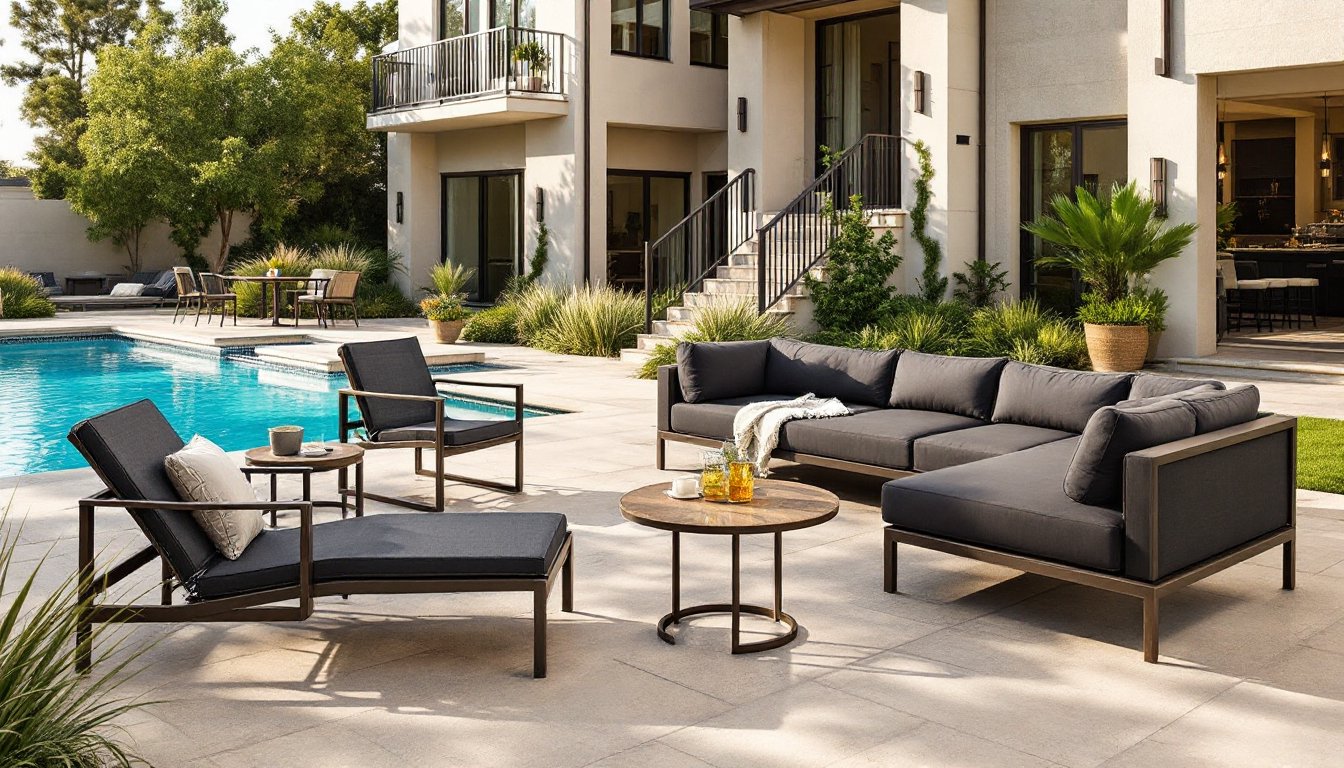
Brown Jordan has been crafting high-end outdoor furniture since 1945, earning its place as the gold standard for homeowners who refuse to compromise on durability or design. Unlike mass-market patio sets that fade and rust after two seasons, Brown Jordan pieces are engineered to last decades, often outliving the decks they sit on. For anyone considering a serious investment in outdoor living space, understanding what sets this brand apart, which collections deliver the best value, and how to maintain these pieces is essential before making a purchase.
Table of Contents
ToggleKey Takeaways
- Brown Jordan patio furniture is engineered for decades of durability with heat-treated aluminum frames and powder-coated finishes that resist rust, UV damage, and extreme temperatures.
- Popular collections like Quantum, Pasadena, and Calculus cater to different design styles—from modern minimalism to traditional elegance—allowing you to match furniture to your home’s architecture and aesthetic.
- Proper maintenance requires only 15 minutes monthly: rinse frames, wash cushion covers separately, and store fabrics indoors during off-season to maximize the lifespan of your outdoor investment.
- Pricing for Brown Jordan patio furniture ranges from $800–$1,200 per lounge chair to $6,000–$10,000 for complete sectionals, reflecting superior engineering and replaceable components that other brands don’t offer.
- Purchasing through authorized dealers rather than big-box stores provides white-glove service, measurements, and design consultations; limited discounts appear in late August and spring sales.
- Plan at least 36 inches of clearance around seating groups and verify scale against your deck or patio dimensions before ordering, as outdoor furniture is difficult to return if it doesn’t fit your space.
What Makes Brown Jordan Patio Furniture Stand Out?
The difference between Brown Jordan and typical outdoor furniture comes down to engineering, not just aesthetics. Every frame is constructed from extruded aluminum that’s been heat-treated and powder-coated, creating a finish that resists saltwater corrosion, UV degradation, and temperature extremes that would warp or crack resin alternatives.
The brand pioneered tubular aluminum furniture for outdoor use in the 1950s, collaborating with designers like Walter Lamb and Richard Frinier to create pieces that balanced midcentury modernism with practical weather resistance. That legacy continues today, many current collections still reference Lamb’s iconic designs from the era.
Another standout feature: replaceable components. Cushion covers zip off for cleaning, sling fabric can be reordered years later, and frame parts are individually serviceable. This isn’t furniture designed for a landfill in five years. Homeowners who treat these pieces as long-term investments often see them appreciate in value, especially vintage collections.
Weight matters, too. A typical Brown Jordan lounge chair weighs 25–35 pounds, compared to 15–20 pounds for big-box alternatives. That extra mass comes from thicker-gauge aluminum and reinforced joints, which translates to stability in wind and reduced flex under load. If the patio furniture needs to stay put during a thunderstorm without being anchored, heft is an advantage.
Popular Brown Jordan Patio Furniture Collections
Quantum remains one of the brand’s bestsellers for good reason. The collection features clean, geometric lines with a low profile that works equally well on urban rooftops or poolside patios. Frames use marine-grade aluminum with stainless steel hardware, and cushions are upholstered in Sunbrella® fabric (solution-dyed acrylic that resists fading for 10+ years). Modular sectionals start around 90 inches wide and can be reconfigured as needed.
Pasadena leans into traditional styling with curved backs, scrolled arms, and a wrought-iron aesthetic, but it’s still aluminum underneath. This collection appeals to homeowners who want the elegance of metal scroll work without the rust issues. Dining sets typically include a 42-inch or 48-inch round table with an umbrella hole, paired with four to six armchairs.
Calculus is the go-to for contemporary minimalists. Tubular frames are left exposed, and sling seating uses Textilene® mesh (PVC-coated polyester) instead of cushions. This collection dries fast after rain, requires almost zero maintenance, and weighs less than cushioned alternatives, making it ideal for second-story decks where load is a concern.
Tamiami draws directly from the brand’s 1950s archives. Vinyl lace woven over aluminum frames creates a retro look that’s surged in popularity alongside midcentury modern interiors. The vinyl strapping can be replaced when it stretches or discolors, typically after 8–12 years of UV exposure.
For covered spaces like screened porches or pergolas, Flight offers a lighter-weight option with powder-coated steel frames and wicker-look resin weave. It’s not designed for full-sun exposure year-round, but under a roof, it delivers the aesthetic of natural wicker without the mildew risk.
Choosing the Right Brown Jordan Furniture for Your Space
Materials and Durability: What to Expect
Aluminum frames are the brand’s signature. They won’t rust, rot, or attract termites, and they handle temperature swings from -20°F to 120°F without warping. Powder coating adds a protective layer that’s thicker and harder than spray paint, expect 3–5 mils of coverage versus 1–2 mils on budget furniture. That said, powder coating can chip if dragged across rough concrete: use furniture glides or protective pads.
Cushion fill varies by collection. High-resilience polyurethane foam wrapped in Dacron is standard, offering quick recovery after compression. Some premium lines use open-cell foam designed to drain water and dry faster, critical for climates with frequent afternoon showers. Cushion cores typically last 5–7 years before losing loft: covers outlast the fill if properly cared for.
Sling fabrics like Textilene are double-layered and UV-stabilized. They won’t sag like cheaper vinyl, and most are rated for 2,000+ hours of direct sun exposure before noticeable fading. Replacement slings run $80–$150 per chair, depending on the collection.
Wicker and woven options use either vinyl lace (Tamiami) or high-density polyethylene (HDPE) resin. Vinyl lace has a nostalgic look but will eventually crack in harsh sun: HDPE is more durable but lacks the same vintage charm. Both are hand-woven, so expect some variation in tension and pattern.
For coastal environments within a mile of saltwater, request marine-grade finishes and stainless steel fasteners. Standard powder coating holds up well, but marine-grade adds an extra layer of corrosion inhibitors. Rinse frames monthly with fresh water to prevent salt buildup in crevices.
Style Options: From Modern to Classic
Brown Jordan’s range spans seven decades of design trends, so matching furniture to architectural style is straightforward. Midcentury modern homes pair naturally with Tamiami or Calculus, both echo the clean lines and functional ethos of the 1950s and ’60s. For a cohesive outdoor room, match frame finishes to window trim or door hardware.
Traditional or Colonial exteriors benefit from Pasadena’s curves and ornamental details. The collection’s visual weight balances columns, shutters, and other classical elements without looking too formal. Pair with natural stone or brick patios rather than composite decking, which can feel too contemporary by contrast.
Contemporary or minimalist spaces call for Quantum or Flight. Low-profile silhouettes, monochromatic cushions, and geometric frames complement steel railings, board-formed concrete, and other modern materials. Stick to neutral tones (charcoal, taupe, white) unless the home’s exterior already incorporates bold color accents.
Transitional styles, homes that blend traditional bones with updated finishes, work well with modular collections that can be arranged formally or casually. Quantum sectionals, for example, can form a symmetrical U-shape for traditional entertaining or an asymmetrical lounge setup for relaxed gatherings.
Scale matters as much as style. A 120-inch sectional overwhelms a 12×14-foot deck but feels appropriately sized on a 20×24-foot patio. Leave at least 36 inches of clearance around seating groups for traffic flow, and ensure dining chairs can pull out fully (24 inches from table edge to nearest obstacle) without hitting railings or planters. Measure twice: outdoor furniture is harder to return than indoor pieces.
Caring for Your Brown Jordan Patio Furniture
Routine cleaning takes 15 minutes per month. Hose down frames to remove pollen and dirt, then scrub with a soft brush and a mix of mild dish soap and warm water (two tablespoons per gallon). Avoid abrasive cleaners or wire brushes, which scratch powder coating. Rinse thoroughly and let air-dry.
For stubborn stains on aluminum, use a paste of baking soda and water. Apply, let sit for five minutes, scrub gently, and rinse. Oxidation (white chalky residue) can be removed with automotive aluminum polish, though it’s purely cosmetic and doesn’t affect structural integrity.
Cushion care starts with removable covers. Machine wash on gentle cycle with cold water and mild detergent (no bleach). Line-dry or tumble on low heat: high heat can shrink fabric or degrade waterproof backing. Foam cores should never get soaked, if they do, stand cushions on edge in full sun until completely dry to prevent mildew.
Store cushions indoors or in a ventilated deck box during off-season months. Even weather-resistant fabric degrades faster when left out through freeze-thaw cycles. If indoor storage isn’t an option, prop cushions vertically under a covered porch to promote airflow.
Sling fabric needs less maintenance. Wipe down with soapy water as needed, and check tension annually. Slings naturally stretch over time: if they sag more than an inch below the frame when unoccupied, replacement is due.
Touch-ups for chipped powder coating: clean the area with isopropyl alcohol, apply a rust-inhibiting primer (even though aluminum doesn’t rust, exposed metal can oxidize), then use a color-matched enamel paint. Brown Jordan sells touch-up kits for common finishes.
For homeowners seeking additional options beyond high-end brands, exploring budget-friendly alternatives can provide quality pieces at lower price points.
Winter storage depends on climate. In regions with heavy snow or extended freezing, bring furniture into a garage or shed. In mild climates, leave it out, aluminum won’t crack from cold. If storing, stack chairs carefully with cardboard or foam between frames to prevent finish abrasion. Cover with breathable fabric tarps, not plastic, which traps moisture.
Where to Buy Brown Jordan Patio Furniture and What to Budget
Brown Jordan sells through authorized dealers rather than big-box stores. This dealer network includes dedicated patio furniture showrooms, high-end home goods retailers, and some interior design studios. Expect white-glove service: measurements, layout planning, and often in-home consultations. Online ordering is available through the brand’s website, but seeing fabric and finish samples in person prevents costly returns.
Pricing reflects the engineering. A single lounge chair starts around $800–$1,200: dining chairs run $400–$700 each. A complete sectional (five pieces) typically costs $6,000–$10,000 depending on collection and fabric grade. Dining sets for six (table and chairs) range from $4,000–$7,500. Custom configurations, marine-grade finishes, or designer fabrics push prices higher.
For homeowners focused on curating a complete outdoor aesthetic, mixing Brown Jordan statement pieces with complementary accessories can stretch budgets without sacrificing style.
Freight shipping adds $200–$500 for most orders, though some dealers include delivery within a regional radius. Installation or assembly isn’t typically needed, most pieces arrive fully assembled or require simple leg attachment.
Discounts are rare but not impossible. Floor models and discontinued finishes may be marked down 20–30% at the end of summer (late August through September). Some dealers offer 10% off during spring pre-season sales (March–April). Financing options exist through many retailers, typically 12–24 months same-as-cash for qualified buyers.
Secondhand markets offer another route. Estate sales, high-end consignment shops, and online marketplaces sometimes carry vintage Brown Jordan pieces at 40–60% of new retail. Verify frame condition and whether replacement parts are still available: some 1970s collections have been discontinued, making repairs difficult.
For regional inspiration on integrating luxury outdoor furniture into Southern porch designs or covered patios, design publications offer countless layout and styling ideas.
Warranty coverage varies by collection but generally includes 5–7 years on frames against manufacturing defects, 2–3 years on sling fabric, and 1–2 years on cushions. Keep receipts and register products online to activate coverage. Warranties don’t cover normal wear, UV fading beyond specified timeframes, or damage from improper storage.
Budget an additional 10–15% of furniture cost for accessories: side tables, outdoor rugs, umbrellas, and storage solutions. These items tie a space together and protect the investment. A quality cantilever umbrella ($500–$1,200) extends usable hours on a patio and reduces direct sun exposure on cushions.