
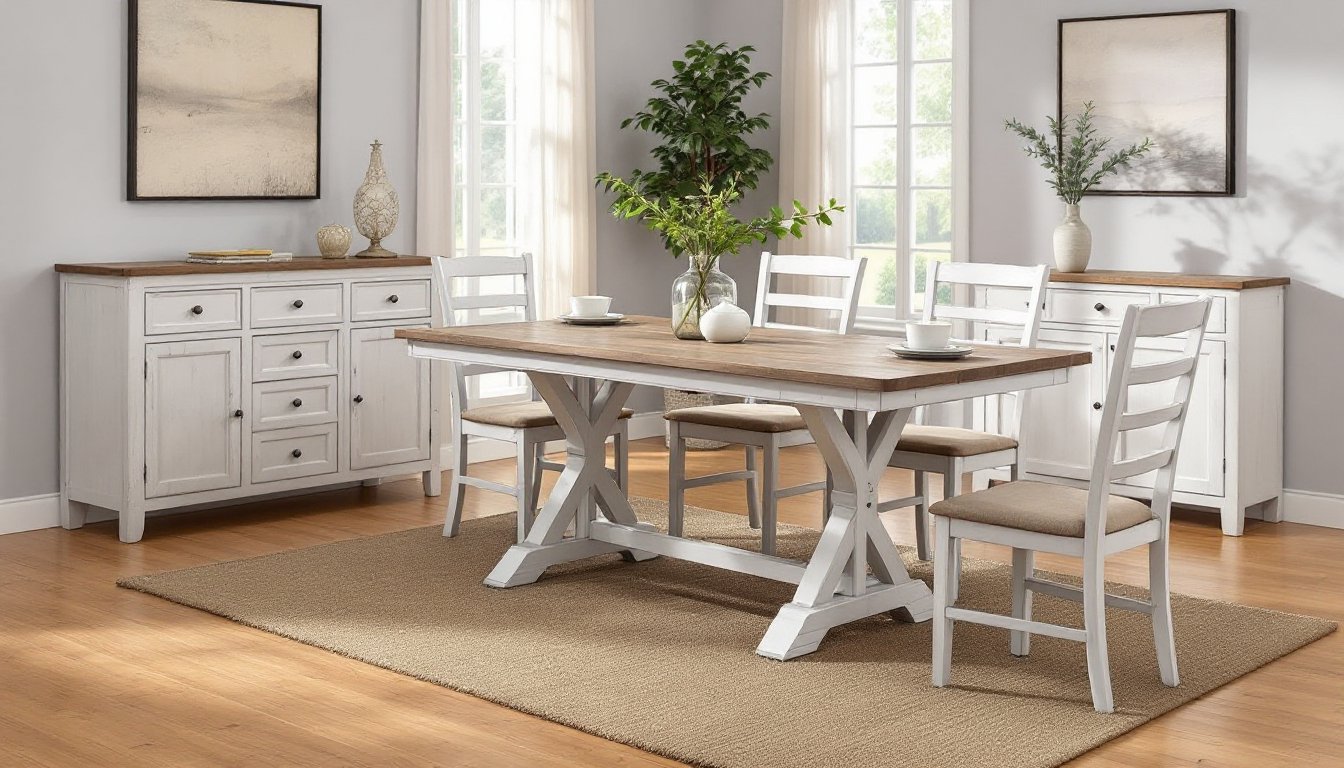
Shopping for a dining room set means balancing budget, space, and style, without compromising on quality that’ll last through daily use. Bob’s Furniture has built a reputation for affordable, ready-to-deliver dining sets that suit a range of tastes, from farmhouse traditionalists to modern minimalists. Whether you’re furnishing a first apartment or upgrading a family home, understanding what Bob’s offers, and how to choose the right set for your space, saves time, money, and buyer’s remorse. This guide breaks down styles, sizing, pricing, and materials so you can make a confident decision.
Table of Contents
ToggleKey Takeaways
- Bob’s Furniture dining room sets offer affordable, ready-to-deliver options with in-house manufacturing and competitive pricing across farmhouse, traditional, and modern styles.
- Mid-range Bob’s dining sets ($700–$1,200) deliver the best value for most households, combining solid wood construction and durable joinery with seven-piece configurations ideal for family use.
- Proper sizing is essential: measure at least 36 inches of clearance between the table edge and walls, and verify exact dimensions on Bob’s website before purchasing to avoid overcrowding your space.
- Performance fabrics on upholstered chairs handle spills better than untreated materials, making them a practical choice for households with kids or pets.
- Floor model availability at Bob’s showrooms lets you test chair height, table stability, and finishes before buying, eliminating costly return shipping mistakes.
- Financing options like 0% APR for 12–24 months make higher-ticket Bob’s furniture sets accessible, but read the fine print to avoid retroactive interest charges on deferred payment plans.
Why Choose Bob’s Furniture for Your Dining Room?
Bob’s Furniture operates on a value-first model: in-house manufacturing, regional distribution centers, and frequent promotions keep prices competitive without sacrificing selection. Unlike big-box retailers that rely heavily on third-party suppliers, Bob’s controls much of its production, which translates to faster restocks and consistent quality across collections.
Most dining sets ship fully assembled or require minimal setup, typically just attaching legs to tables or sliding benches into place. This matters if you don’t own a drill or you’re working solo. Bob’s also includes delivery and setup services in many markets, often at lower rates than independent movers charge for bulky furniture.
Another practical advantage: floor model availability. Bob’s showrooms stock physical examples of nearly every set, so you can test chair height, table stability, and finish quality before buying. Online-only retailers can’t match that tactile confirmation, and return shipping for a six-piece dining set gets expensive fast.
Their financing options, often 0% APR for 12–24 months on qualifying purchases, make higher-ticket sets accessible without upfront cash outlays. Just read the terms: deferred interest plans require full payoff before the promotional period ends, or accrued interest hits retroactively.
Popular Bob’s Dining Room Set Styles and Collections
Bob’s organizes collections by aesthetic, which simplifies browsing but requires understanding which style fits your existing decor.
Traditional and Farmhouse Dining Sets
Farmhouse sets dominate Bob’s inventory, reflecting ongoing demand for plank-top tables, turned legs, and two-tone finishes (usually weathered oak tops with painted bases in white, gray, or navy). These sets typically include solid wood or wood composite construction with distressed edges for a lived-in look.
Key features to expect:
- Trestle or pedestal bases that maximize legroom and accommodate extra leaves for holiday seating
- Bench seating options instead of all chairs, which fits casual dining and saves floor space
- X-back or ladder-back chairs with cushioned or wood seats
Collections like the Farmhouse line often come in five-piece (table + four chairs) or seven-piece (table + six chairs) configurations. Extendable versions add 18-inch butterfly leaves stored under the tabletop, expanding seating from six to eight without requiring separate leaf storage.
Traditional sets lean darker: cherry, mahogany, or espresso finishes with cabriole legs and upholstered chairs in neutral fabrics. These work well in formal dining rooms but show scratches more readily than distressed farmhouse finishes.
Modern and Contemporary Options
Bob’s modern collections favor clean lines, mixed materials, and neutral palettes. Expect glass-top tables with metal or wood bases, parsons-style tables (straight, blocky legs flush with the tabletop edge), and low-profile chairs without arms.
Material combinations include:
- Tempered glass tops (easier to clean but require coasters to prevent watermarks and show fingerprints)
- Metal bases in matte black, brushed nickel, or gold-tone finishes
- High-gloss lacquer or acrylic accents for a streamlined look
Contemporary sets often incorporate upholstered seating with performance fabrics, polyester blends treated for stain resistance, crucial for households with kids or pets. Many designers emphasize versatile furniture choices that adapt to evolving interior trends, and Bob’s modern sets reflect that flexibility with modular options.
Counter-height tables (36 inches tall vs. standard 30 inches) appear frequently in Bob’s contemporary lineup. These create a casual, pub-style vibe and pair with backless stools or low-back chairs. Confirm your ceiling height accommodates them, rooms under 8 feet feel cramped with tall furniture.
How to Choose the Right Dining Set Size for Your Space
Measure twice, order once. A dining set that crowds the room or leaves too much dead space disrupts traffic flow and comfort.
Minimum clearances:
- 36 inches between the table edge and walls or furniture for chair pull-out and walking space
- 48 inches if the area doubles as a serving station or high-traffic zone
- 24–30 inches of table width per person for elbow room (30 inches if place settings include chargers or serving dishes)
Table size by room dimensions:
- 10′ × 12′ room: 48″ × 60″ table (seats six comfortably)
- 12′ × 14′ room: 60″ × 78″ table or 42″ diameter round (seats eight)
- 14′ × 16′ room: 72″ × 96″ table (seats ten)
Round vs. rectangular:
Round tables maximize seating in square rooms and eliminate sharp corners (safer for toddlers), but they don’t extend as efficiently as rectangular tables with leaves. Rectangular tables fit narrow rooms and push against walls when not in use.
Chair dimensions matter. Standard dining chairs measure 18–20 inches wide. Armchairs add 4–6 inches per side, which reduces how many fit along a table edge. If you’re mixing armchairs and side chairs, place armchairs at table ends only.
Account for rugs. If placing a rug under the table, add 24 inches to each dimension so chairs remain on the rug when pulled out. A 6′ × 9′ rug suits a 48″ × 72″ table: anything smaller causes chair legs to catch on the rug edge.
Bob’s website lists exact dimensions for each set, including chair width and table height. Cross-reference those with your floor plan, don’t rely on showroom eyeballing, where high ceilings and open layouts make furniture appear smaller.
Price Ranges and Value Considerations at Bob’s Furniture
Bob’s positions itself in the budget-to-mid-range segment, with most dining sets priced between $400 and $1,800 as of 2026. Regional pricing varies slightly, and holiday sales (Memorial Day, Black Friday, post-holiday clearances) often knock 15–30% off list prices.
Entry-level sets ($400–$700):
Typically five-piece configurations with engineered wood (MDF or particleboard with wood veneer) and simple finishes. These handle light use but won’t survive daily abuse from young kids or frequent moves. Chairs often feature molded plastic or basic wood frames without upholstery.
Mid-range sets ($700–$1,200):
This tier introduces solid wood components (usually rubberwood or pine for farmhouse styles, birch for modern sets), better joinery (mortise-and-tenon instead of dowels), and cushioned seating. Expect seven-piece sets or extendable tables in this bracket. These represent the best value for most households, durable enough for daily family dinners without premium material costs.
Premium sets ($1,200–$1,800+):
Bob’s high-end options include hardwood construction (oak, maple, acacia), hand-applied finishes, and performance fabrics on upholstered chairs. Some collections feature live-edge tables or inlaid wood patterns. At this price point, compare Bob’s offerings to luxury furniture retailers to confirm you’re getting equivalent quality, sometimes independent furniture stores offer better hardwood selections in the same range.
Delivery and setup fees ($50–$200 depending on distance and assembly level) add to the base price. Bob’s Goof Proof protection plan ($99–$299 for five years) covers accidental damage but read exclusions, scratches from pets, burns, and structural failure from misuse often aren’t covered.
Resale value: Bob’s furniture depreciates faster than heirloom-quality brands. Plan on recovering 20–30% of original cost if reselling within five years, less if the set shows wear.
Materials, Quality, and Durability: What to Expect
Understanding construction details prevents disappointment after delivery.
Wood types and grades:
- Solid hardwood (oak, maple, acacia): Strongest option, resists dents, accepts refinishing. Found in Bob’s premium sets. Expect visible grain variation and minor knots, that’s normal, not a defect.
- Solid softwood (pine, rubberwood): Lighter and more affordable, but dents easier. Works fine for adults-only households: reconsider if you have kids who climb furniture.
- Engineered wood (MDF, particleboard with veneer): Budget-friendly but vulnerable to moisture and impact damage. Veneer can peel if exposed to heat or humidity fluctuations. Don’t place near radiators, AC vents, or in basements without climate control.
Joinery methods:
- Mortise-and-tenon or dovetail joints indicate better construction: these hold tighter over time than dowel-and-glue assemblies.
- Check chair leg attachment points in the showroom. Wobble or visible gaps suggest weak joinery that’ll worsen with use.
Finishes:
- Catalyzed lacquer or polyurethane provides the best water and scratch resistance. Bob’s mid-to-premium sets use these.
- Wax or oil finishes look rich but require reapplication every 6–12 months and stain easily. Some of the design trends featured on modern furniture blogs favor these natural finishes, but they demand maintenance.
Upholstery fabric grades:
- Performance fabrics (polyester blends treated with stain repellents like Crypton or similar) handle spills better than untreated linen or cotton. Blot immediately with a damp cloth: don’t rub or use harsh cleaners.
- Faux leather cleans easily but cracks and peels after 3–5 years in high-use areas. Real leather lasts longer but costs significantly more.
Weight capacity: Bob’s doesn’t always publish this, but standard dining chairs should support 250–300 pounds. Test chairs in-store by sitting fully and shifting weight, creaking or flex indicates inadequate bracing.
Maintenance requirements:
- Dust weekly with microfiber cloths: avoid furniture polish with silicone, which builds up and attracts grime.
- Tighten screws and bolts every six months, especially on chairs. Loose hardware accelerates joint failure.
- Use trivets and placemats, even durable finishes suffer from prolonged heat exposure (coffee mugs, serving dishes).
Warranty coverage: Bob’s standard warranty runs one year from delivery, covering manufacturing defects (split wood, finish flaws, faulty hardware) but not normal wear, user damage, or finish changes due to sunlight exposure. Extended protection plans add coverage but require filing claims within specific timeframes, photograph damage immediately and keep receipts.