
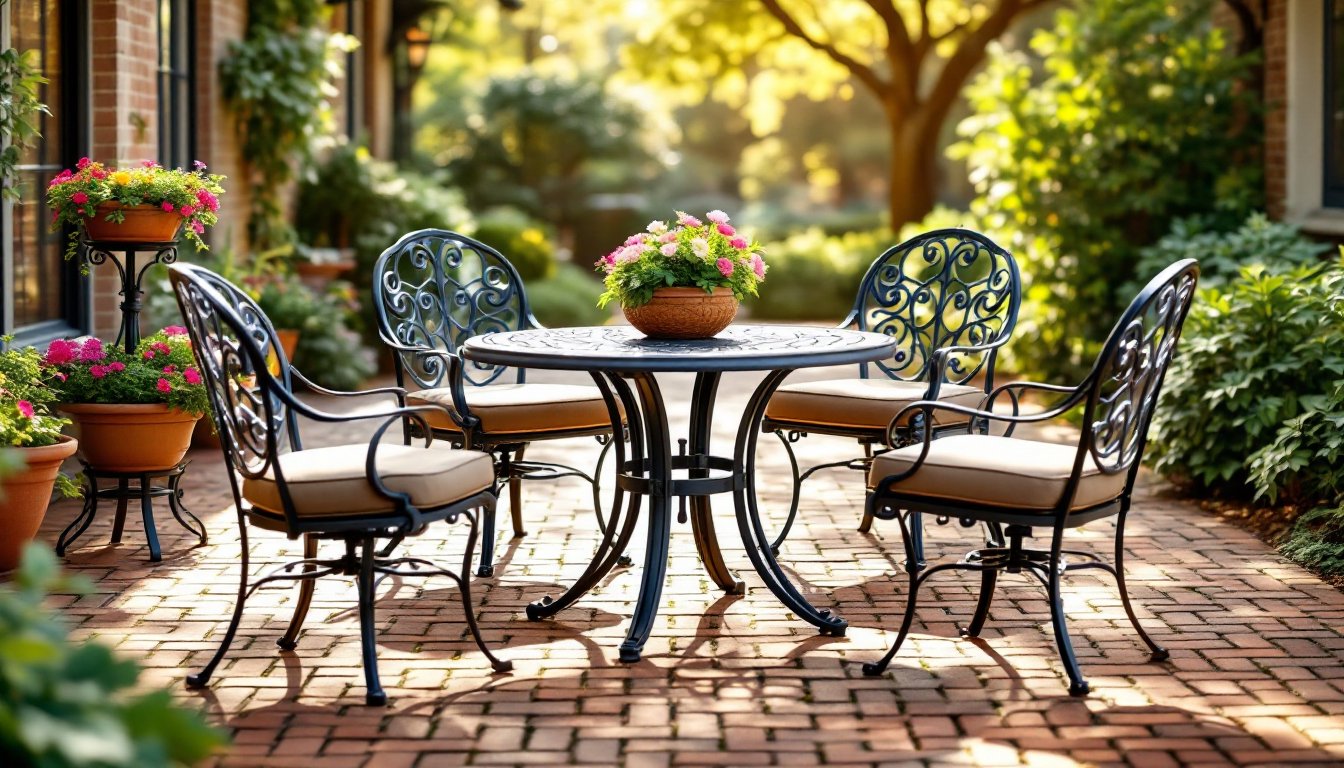
Wrought iron outdoor furniture doesn’t just occupy a patio, it anchors it. For decades, homeowners have turned to these heavy, scrolled pieces when plastic resin feels cheap and wood requires too much upkeep. The material’s durability and classic silhouette suit everything from brick courtyards to poolside lounges. But not all wrought iron furniture is created equal, and buying the wrong set means dealing with rust, wobbly joints, or a finish that flakes off after one season. This guide walks through what makes quality wrought iron worth the investment, where to find it, and how to keep it looking sharp for years.
Table of Contents
ToggleKey Takeaways
- Wrought iron patio furniture for sale offers superior durability and wind resistance due to its heavy weight and tight grain structure, making it a long-term investment over plastic or lightweight alternatives.
- Quality wrought iron pieces feature full-penetration welds, 14-16 gauge steel, stainless steel hardware, and 2-4 mil powder coating that resists chipping and weather damage.
- Five-piece dining sets range from $400-$600 for budget imports to $1,600-$3,000 for premium domestic brands with designer finishes and included cushions.
- Purchase wrought iron outdoor furniture during peak sales periods (Memorial Day, Fourth of July, or late-season clearance in August-September) for discounts of 15-50%.
- Routine maintenance—monthly cleaning with mild soap, touch-up paint for chips, and annual bolt checks—keeps wrought iron looking sharp and structurally sound for decades.
Why Wrought Iron Patio Furniture Remains a Top Choice for Outdoor Spaces
Wrought iron’s appeal starts with physics. A standard dining chair in wrought iron weighs 35–45 pounds, making it nearly immune to wind gusts that send aluminum chairs tumbling. That mass comes from low-carbon iron worked into shape through heating and hammering, a process that creates tight grain structure and tensile strength.
Unlike powder-coated aluminum or painted steel, true wrought iron develops a protective patina over time if left untreated. Most commercially available “wrought iron” furniture today is actually mild steel with wrought-iron styling, but the weight and structural integrity remain similar. The curlicue designs and basket-weave patterns aren’t just decorative, they distribute stress across joints, reducing flex and extending the life of the piece.
Temperature stability matters, too. Metal furniture heats up in direct sun, but wrought iron’s thermal mass means it cools faster than resin once shade arrives. For climates with humid summers, the material resists warping and cracking that plague wood or wicker. It’s also repairable: a cracked weld or bent arm can be fixed with a MIG welder, whereas polymer furniture usually requires full replacement.
Types of Wrought Iron Patio Furniture Available Today
Dining sets dominate the wrought iron market. A typical five-piece set includes a 42–48-inch round table and four chairs, designed for bistro-style seating. Larger rectangular tables (60–72 inches) come with six to eight chairs and often feature a center umbrella hole with a 1.5–2-inch diameter ring.
Benches and gliders offer motion without the maintenance of wooden rockers. Wrought iron gliders use a simple pivot mechanism and can support 500+ pounds of total weight. Curved-back benches work well flanking entryways or tucked into garden corners.
Chaise lounges designed for poolside use typically feature adjustable backs with three to five positions. Look for models with vinyl or sling fabric seats, solid iron surfaces get uncomfortably hot and lack the contouring needed for long lounging sessions.
Bar-height sets have gained traction for smaller patios. These outdoor furniture arrangements pair well with elevated deck spaces, offering seating without monopolizing square footage. Standard bar-height tables measure 40–42 inches tall, paired with stools at 28–30 inches.
Plant stands and accent tables fill gaps in existing setups. Tiered plant stands with scrollwork add vertical interest, while nesting side tables (typically sold in sets of two or three) provide flexible surfaces for drinks or citronella candles.
What to Look for When Shopping for Wrought Iron Outdoor Furniture
Start with welds and joints. Quality pieces use full-penetration welds that create a smooth bead with no gaps or pinholes. Budget furniture often relies on tack welds, small spot welds that hold shape but fail under stress. Flip a chair over and inspect where legs meet the seat frame. If you see gaps, slag, or uneven bead width, keep looking.
Gauge matters for tabletops and seat frames. Furniture-grade wrought iron typically uses 14-gauge to 16-gauge steel (approximately 0.075–0.060 inches thick). Thinner material flexes under weight, leading to joint failure. Thicker isn’t always better, overly heavy pieces become difficult to move for cleaning or seasonal storage.
Check hardware grade. Stainless steel bolts and nylon locking nuts resist corrosion far better than zinc-plated fasteners. If the furniture uses removable cushions, examine the tie straps: UV-resistant polyester webbing lasts: cotton or thin elastic degrades within a season.
Test stability on uneven ground. Set the piece on a slightly uneven surface (most patios have minor slope for drainage). A well-designed chair or table compensates with slight flex in the leg assembly. Rigid, poorly engineered frames rock or tip.
Finish and Coating Quality
Powder coating is the industry standard for outdoor metal furniture. This electrostatically applied finish cures at 350–400°F, bonding to the metal for a chip-resistant surface. Quality powder coat should measure 2–4 mils thick (a mil is 1/1000th of an inch). Thinner coatings allow moisture to reach the base metal: thicker applications can crack from impact.
Inspect for orange peel texture, slight dimpling that indicates proper curing. A perfectly smooth surface often means the coating is too thin or applied with standard paint rather than true powder coat. Color consistency across all pieces in a set also signals batch quality control.
Some high-end manufacturers apply a zinc-rich primer beneath the powder coat, adding a sacrificial layer that corrodes before the base metal does. This matters most in coastal environments where salt air accelerates oxidation. Ask the retailer or manufacturer about primer, if they can’t answer, the furniture likely skips this step.
Hand-applied finishes (brushed or antiqued looks) require a clear topcoat to prevent the decorative layer from weathering off. Without it, that distressed patina you paid extra for disappears in six months. Verify the presence of a UV-stable clear coat, typically polyurethane or acrylic-based.
Best Places to Find Quality Wrought Iron Patio Furniture for Sale
Local garden centers and patio specialty stores let buyers inspect welds, test stability, and compare finishes in person. Staff at independent retailers often know which brands hold up in the regional climate. Delivery and assembly services may be included, and floor models sometimes go on clearance in late summer.
Big-box home improvement stores (Lowe’s, Home Depot, Menards) stock mid-tier wrought iron sets during spring. Selection peaks in March and April: by July, inventory shifts toward clearance pricing. Warranty terms vary by brand, but most offer one to three years against manufacturing defects. These stores rarely carry high-end lines, but their house brands provide decent value for budget-conscious buyers.
Online marketplaces (Wayfair, Overstock, Amazon) offer broader selection but require careful vetting. Read reviews that mention rust, coating failure, and packaging damage, these issues plague poorly made imports. Look for products with at least 50 reviews and a rating above 4.0 stars. Pay attention to reviewer-uploaded photos showing the furniture after a season of use.
Estate sales and architectural salvage yards yield vintage wrought iron pieces with character and superior craftsmanship. Pre-1980s furniture often used thicker iron and hand-forging techniques. Expect to invest in sandblasting and refinishing, but the bones of these pieces outlast modern equivalents. Pricing varies wildly: a four-piece bistro set might run $150 at an estate sale or $600 at a curated salvage shop.
Specialty outdoor furniture retailers (Frontgate, Ballard Designs, Patio Productions) cater to higher budgets with designer lines and customization options. These sources often provide fabric-grade outdoor cushions and multi-year warranties. Shipping costs add up quickly, a dining set can incur $200–$400 in freight charges depending on distance.
Pricing Guide: What to Expect When Buying Wrought Iron Patio Sets
Bistro sets (table and two chairs) start around $150–$250 for basic models with minimal ornamentation. Mid-range options with cushioned seats and decorative scrollwork run $300–$500. High-end bistro sets featuring hand-forged details and premium finishes reach $700–$1,200.
Five-piece dining sets represent the most popular purchase category. Budget sets hover around $400–$600, typically imported from overseas manufacturers. Domestic mid-tier brands price between $800–$1,400. Premium sets with thick-gauge steel, designer finishes, and included cushions range from $1,600–$3,000.
Chaise lounges vary from $200 for basic powder-coated frames to $800+ for adjustable models with padded sling seats. Sets of two usually include a 10–15% discount compared to buying individually.
Gliders and benches fall into the $250–$600 range for standard 48-inch lengths. Larger conversation gliders (60+ inches) or those with built-in side tables can exceed $1,000.
Regional pricing fluctuates based on freight costs and local demand. Coastal markets see higher prices due to the premium placed on rust-resistant finishes. Rust Belt states sometimes offer better deals from regional manufacturers with lower shipping overhead.
Sales cycles follow predictable patterns. Memorial Day and Fourth of July weekends bring 15–25% discounts at major retailers. End-of-season clearance (late August through September) can yield 30–50% off, but selection narrows significantly. Black Friday increasingly includes outdoor furniture, though choices lean toward storage and off-season items.
Caring for Your Wrought Iron Patio Furniture Investment
Routine cleaning requires only mild dish soap, water, and a soft-bristle brush. Avoid pressure washers, the force can drive water beneath the powder coat, accelerating rust from the inside out. Clean furniture monthly during active use, or whenever pollen, bird droppings, or tree sap accumulate.
Touch-up paint becomes essential once chips or scratches appear. Most manufacturers sell color-matched touch-up bottles, but automotive touch-up paint works if the color’s a close match. Clean the damaged area with rubbing alcohol, apply a rust converter if oxidation has started, then dab on paint with a fine brush. Two thin coats beat one heavy application.
Waxing extends finish life in harsh climates. Automotive paste wax (not spray detailer) applied twice per season creates a hydrophobic barrier. Buff with a microfiber cloth until the surface feels slick. This step matters most for furniture exposed to constant sun or salt air.
Cushion storage prevents mildew and fading. Remove cushions during rain and store in a dry location. If storage isn’t practical, invest in solution-dyed acrylic fabric cushions, these resist UV damage and dry quickly. Cheap polyester cushions fade to pastels within one summer.
Seasonal storage depends on climate. In regions with freeze-thaw cycles, move furniture under a roof or use breathable covers. Plastic tarps trap condensation, promoting rust. Canvas or polyester covers with vented panels allow airflow. In mild climates, wrought iron can remain outside year-round with periodic cleaning.
Rust repair isn’t catastrophic if caught early. Use a wire brush or sandpaper to remove loose rust down to bare metal. Apply a rust-inhibiting primer, then topcoat with spray paint formulated for metal outdoor use. For extensive corrosion, consider professional sandblasting and powder coating, it costs $150–$400 depending on the piece, but restores furniture to like-new condition.
Joint maintenance involves checking bolts annually. Vibration from use can loosen hardware over time. Tighten with a socket wrench, adding a drop of medium-strength threadlocker (Loctite Blue) to prevent future loosening. Replace any corroded bolts with stainless steel equivalents from a hardware store.