
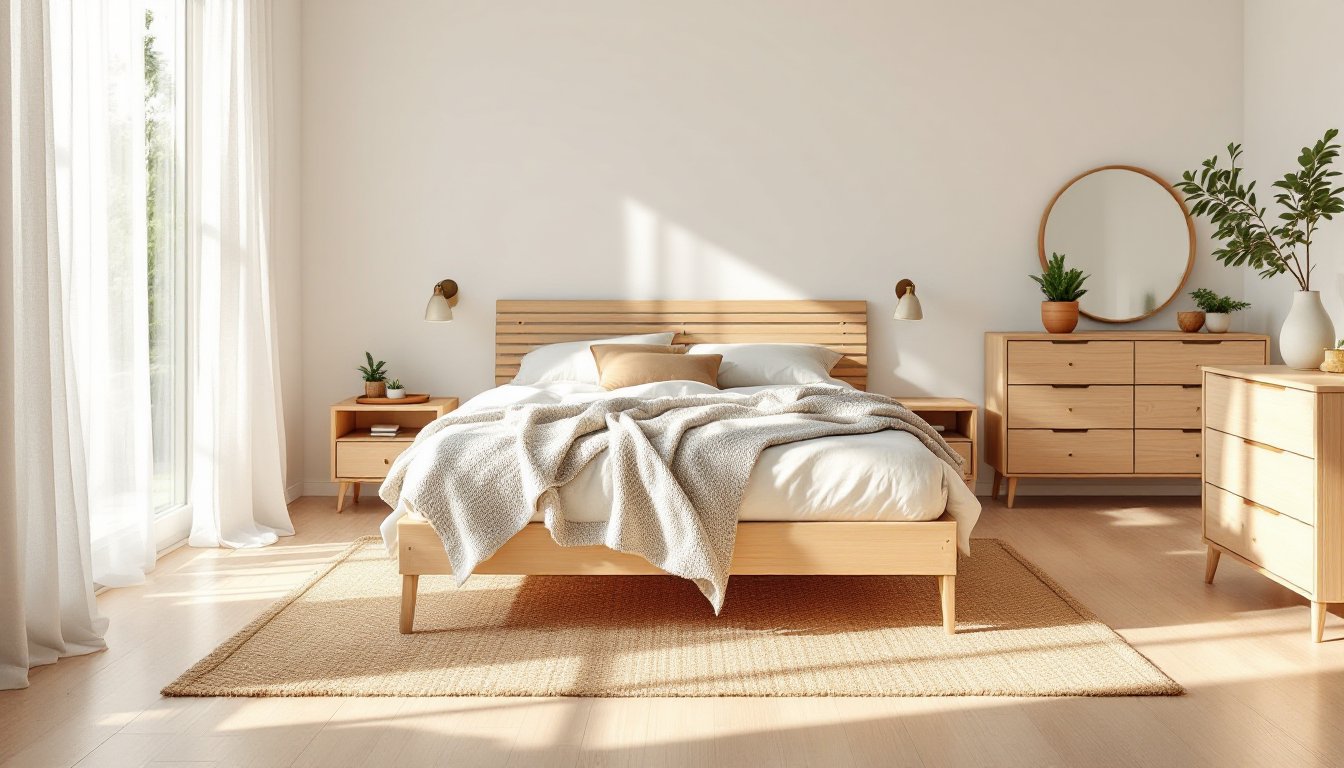
Light wood bedroom furniture offers a versatile, inviting aesthetic that works in everything from minimalist studios to farmhouse primaries. Unlike dark, heavy pieces that can shrink a room visually, lighter woods, maple, ash, birch, or oak with a natural finish, reflect light and create an open feel. They’re also more forgiving of scratches and dings than darker stains, making them practical for households with kids or pets. Whether buying ready-made or building your own pieces, understanding wood species, joinery quality, and finish durability will help you choose furniture that lasts decades.
Table of Contents
ToggleKey Takeaways
- Light wood bedroom furniture reflects light and creates an open feel, making it ideal for smaller spaces and working seamlessly across minimalist, farmhouse, and modern design styles.
- Hardwoods like maple, oak, and ash with Janka ratings above 1,260 lbf offer superior durability for daily-use pieces like bed frames and dressers, while concealing surface wear better than darker stains.
- Quality joinery—such as dovetail or mortise-and-tenon joints with ball-bearing slides—is more important than wood species alone when choosing light wood bedroom furniture that will last decades.
- Furniture-grade polyurethane and catalyzed finishes provide maximum moisture resistance and durability for light wood, while oil finishes offer a natural look but require annual reapplication.
- Layer texture through linen, wool, and metal accents, and balance warm and cool neutrals to prevent light wood furniture from appearing washed out or monotonous.
- Maintaining light wood involves weekly dusting, using coasters and felt pads, controlling humidity between 30–50%, and avoiding direct sunlight to prevent fading and warping.
Why Light Wood Furniture Is Perfect for Modern Bedrooms
Light wood works across architectural styles because it doesn’t compete with wall color or textiles. In smaller bedrooms, especially those under 120 square feet, pale woods visually expand the space by bouncing ambient and natural light around the room.
From a durability standpoint, hardwoods like white oak and hard maple rate high on the Janka hardness scale (1,290–1,450 lbf), making them resistant to dents and compression. That matters for bed frames and dressers that carry weight daily. A lighter finish also conceals surface wear better than ebony or walnut stains, where every scuff shows.
Light wood pairs well with both warm and cool palettes, so homeowners can switch bedding, rugs, or paint without replacing furniture. It’s a long-term investment that doesn’t lock you into one design direction.
Finally, if you’re a DIYer considering building your own bed frame, light woods are generally easier to mill and finish. Species like poplar or soft maple are beginner-friendly and take stain or clear coat evenly.
Popular Light Wood Types for Bedroom Furniture
Not all “light” woods perform the same. Here’s a breakdown of the most common species used in bedroom furniture:
Ash: Open grain, light tan to creamy white. Janka rating around 1,320 lbf. Takes stain well but looks sharp with just a clear polyurethane or oil finish. Common in mid-century modern reproductions.
Birch: Tight grain, pale yellow to off-white. Janka 1,260 lbf. Often used as a less expensive substitute for maple. Accepts stain unevenly unless you use a wood conditioner first.
Maple (hard): Smooth, tight grain. Creamy white to light tan. Janka 1,450 lbf. One of the hardest domestic hardwoods. Resists dents and scratches, ideal for dressers and nightstands that see daily use.
White Oak: Light tan with prominent ray fleck grain. Janka 1,360 lbf. Naturally contains tyloses, making it more water-resistant than red oak. Popular in Scandinavian and Shaker-style furniture.
Pine (white or yellow): Softwood, so it dents more easily (Janka 380–870 lbf depending on species). Affordable and widely available. Best for low-impact pieces like headboards or accent tables. Budget-friendly for DIY builds.
For a natural, unstained look, choose woods with minimal color variation within each plank. Ash and white oak often have more tonal range than maple or birch.
How to Choose the Right Light Wood Bedroom Set
Start by checking joinery quality. Dovetail or mortise-and-tenon joints outlast dowels or pocket screws. Pull out a drawer: if it’s joined with dovetails and rides on ball-bearing slides rated for 75+ lbs, it’ll handle daily use. Particle board or MDF drawer boxes are red flags unless you’re buying budget pieces you plan to replace in five years.
Look at the finish. Furniture-grade polyurethane, lacquer, or hard wax oil all work, but they wear differently. Poly is the most durable and moisture-resistant, ideal for nightstands that hold water glasses. Oil finishes look more natural but require reapplication every year or two. Ask whether the finish is catalyzed (two-part): those cure harder than single-component finishes.
Check whether the piece is solid wood or veneer. Veneer over plywood core is stable and less prone to warping than solid wood, especially in humid climates. It’s not inferior, many high-end makers use it. Just avoid veneer over particle board or MDF if you expect the furniture to last.
Measure your room before buying. A king bed frame can be 76–80 inches wide: add nightstands and you need at least 10–12 feet of wall space. Sketch the layout on graph paper or use painter’s tape on the floor to confirm clearances for doors and drawers.
If you’re handy, consider mixing ready-made and DIY. Many home improvement tutorials walk through building platform beds or simple dressers using dimensional lumber and basic joinery.
Styling Tips: Pairing Light Wood Furniture with Your Decor
Light wood reads as neutral, so it won’t clash with bold accent colors or patterned textiles. The key is balancing warm and cool tones to avoid a washed-out or overly sterile look.
Layer in texture through linen bedding, wool throws, or a jute rug. Light wood’s smooth surface benefits from tactile contrast. A chunky knit blanket or nubby pillow cover adds visual weight without darkening the palette.
Use metal accents to define the style: brass or bronze pulls lean traditional or mid-century: matte black hardware skews modern or industrial. Swapping drawer pulls is a five-minute upgrade that costs under $50 for a full bedroom set.
Bring in one or two pieces in a contrasting wood tone or material, like a walnut bench at the foot of the bed or a metal nightstand, to keep the room from feeling too matchy. Monochromatic suites can look flat: mixing materials adds depth.
Many DIY room makeover projects show how budget-friendly swaps, new bedding, a gallery wall, or painted trim, can refresh a space without replacing furniture.
Color Palettes That Complement Light Wood
Warm neutrals: Cream, latte, terracotta, warm gray (greige). These echo the yellow undertones in maple and birch. Pair with brass fixtures and natural fiber textiles.
Cool neutrals: Soft white, dove gray, sage, pale blue. These contrast with warm wood tones, creating a Scandinavian or coastal vibe. Use brushed nickel or chrome hardware.
Bold accents: Deep teal, charcoal, burnt orange, or forest green as accent walls or bedding. Light wood grounds saturated colors without competing.
Avoid pairing light wood with too many pale pastels unless you add darker grounding elements, like a charcoal throw or black-framed art, or the room can feel washed out.
Caring for and Maintaining Light Wood Bedroom Furniture
Most light wood finishes require minimal upkeep, but a few habits extend lifespan significantly.
Dust weekly with a microfiber cloth. Grit acts like sandpaper and dulls the finish over time. Skip oil soaps unless the manufacturer recommends them, they can leave residue that attracts more dust.
Use coasters and felt pads. Even a polyurethane finish can water-spot if a glass sits overnight. Stick felt pads under lamps, picture frames, and décor to prevent micro-scratches when you rearrange.
Control humidity. Wood expands and contracts with moisture changes. Keep bedroom humidity between 30–50% year-round using a humidifier in winter and a dehumidifier (or AC) in summer. Drawers that stick in July and gap in January are reacting to humidity swings.
Repair scratches promptly. For polyurethane finishes, a furniture touch-up marker in the matching wood tone hides minor dings. Deeper gouges may need a fill stick (colored wax) and a quick buff. For oil finishes, lightly sand the scratch with 320-grit paper and reapply oil.
Refinishing: If the finish wears thin after a decade, you can sand and recoat. Poly finishes need chemical stripper or heavy sanding: oil finishes just need a light scuff and a fresh coat. Hire a pro if you’re uncomfortable working with volatile solvents or drum sanders.
Avoid placing furniture in direct sunlight. UV fades and yellows even clear finishes over time. Use blackout-lined curtains or UV-filtering window film if your bedroom gets strong afternoon sun.
Conclusion
Light wood bedroom furniture combines durability, versatility, and timeless appeal. By choosing quality joinery, understanding wood species, and maintaining finishes properly, homeowners can enjoy these pieces for decades while adapting décor around them. Whether you’re furnishing a first apartment or upgrading a primary suite, light wood offers a solid foundation that grows with your style.