
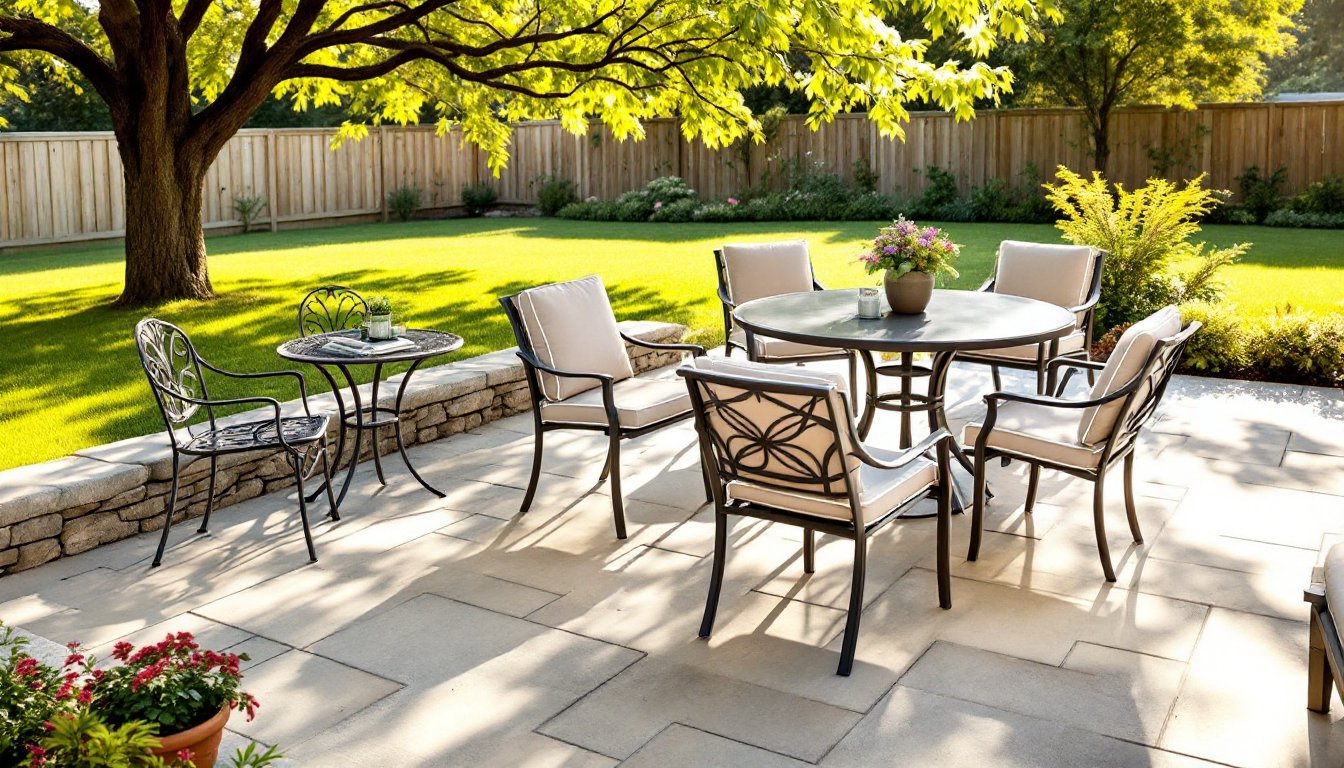
Investing in outdoor furniture isn’t just about filling a patio, it’s about choosing materials that can handle UV exposure, downpours, and temperature swings without falling apart. Metal patio furniture sets deliver on all fronts, offering a combination of structural integrity, weather resistance, and visual appeal that plastic and wood can’t always match. Whether someone’s outfitting a compact balcony or a sprawling backyard, understanding the differences between aluminum, wrought iron, and steel will help them choose a set that lasts years, not seasons.
Table of Contents
ToggleKey Takeaways
- Metal patio furniture sets last 15 to 25 years with minimal maintenance, making them more cost-effective long-term than plastic, wood, or wicker alternatives.
- Aluminum is lightweight and rust-resistant, ideal for portability and coastal climates, while wrought iron offers classic elegance and superior wind stability despite being heavier.
- Steel provides a budget-friendly middle ground with strength comparable to wrought iron but at a lower price point, though it requires regular inspection for rust protection.
- Proper measurement and climate consideration are essential when choosing a metal patio furniture set—aluminum suits sun-exposed areas, while coastal regions benefit from stainless steel or hot-dip galvanized finishes.
- Monthly cleaning with mild soap and water, annual rust inspections, and hardware tightening will keep your metal furniture looking new and functional for decades.
Why Metal Patio Furniture Sets Are Worth the Investment
Metal outdoor furniture resists many of the issues that plague other materials. Unlike wood, it won’t warp, splinter, or require annual staining. Unlike wicker or rattan, it won’t unravel under UV bombardment. And unlike resin, it doesn’t fade to a chalky shadow of its original color after two summers.
Durability translates to cost-effectiveness over time. A well-made metal set can last 15 to 25 years with minimal maintenance, far longer than budget alternatives that need replacement every few seasons. The upfront cost may be higher, but the per-year value beats cheaper materials.
Metal also offers design versatility. From sleek modern aluminum to ornate wrought iron scrollwork, there’s a metal style for every aesthetic. Powder-coated finishes allow for custom colors that hold up better than spray paint, and most metal frames support cushions and fabrics that can be swapped out to refresh the look without replacing the entire set.
Another practical advantage: weight stability. Metal furniture stays put during windstorms. Lightweight plastic sets often end up in the neighbor’s yard or the pool after a summer squall. Heavier metal pieces don’t need constant repositioning or anchoring, which matters in exposed locations.
Finally, metal is recyclable. When a set finally reaches end-of-life, aluminum and steel can be melted down and repurposed, reducing landfill waste compared to composite or treated wood products.
Types of Metal Used in Outdoor Furniture Sets
Not all metal patio furniture is created equal. The three main materials, aluminum, wrought iron, and steel, each bring distinct advantages and trade-offs.
Aluminum: Lightweight and Rust-Resistant
Aluminum is the go-to for anyone prioritizing portability and weather resistance. It naturally forms a protective oxide layer that prevents rust, making it ideal for humid climates or coastal areas where salt air accelerates corrosion.
Weight is aluminum’s standout feature. A typical four-piece dining set weighs around 40 to 60 pounds total, light enough for one person to rearrange. This makes seasonal storage simple, no need to recruit help or invest in furniture dollies.
Most outdoor aluminum furniture uses cast aluminum or extruded aluminum. Cast aluminum is poured into molds, allowing for intricate designs and heavier-gauge construction. Extruded aluminum is shaped through a die, producing sleeker, more modern profiles. Cast tends to be pricier but offers better durability for high-traffic use.
Powder-coating is standard on quality aluminum sets. This electrostatic finish bonds to the metal at high temperatures, creating a hard shell resistant to chips and UV fade. Expect 50 to 70 microns of coating thickness on commercial-grade pieces.
One trade-off: aluminum conducts heat. Exposed surfaces can become uncomfortably hot in direct sun, cushions or outdoor rugs help manage this.
Wrought Iron: Classic Elegance with Heavy-Duty Strength
Wrought iron furniture delivers old-world charm and serious structural strength. Each piece is typically hand-forged or welded, resulting in unique detailing and a substantial feel underfoot.
Weight is both a benefit and a drawback. A wrought iron bistro set can weigh 80 to 120 pounds, which means excellent wind resistance but challenging mobility. Plan placement carefully, moving it later is a two-person job.
Wrought iron requires more maintenance than aluminum. The material is prone to surface rust if the protective coating gets chipped or scratched. Annual inspection and touch-up with rust-inhibiting primer and paint keeps corrosion at bay. Many homeowners prefer classic metal designs that age gracefully with a patina, which can actually add character if managed properly.
Look for pieces with a hot-dip galvanized or powder-coated finish. Hot-dip galvanizing involves submerging the metal in molten zinc, creating a thick protective layer. This process adds cost but significantly extends lifespan in wet climates.
Wrought iron excels in traditional and Mediterranean design schemes. Scrollwork, finials, and decorative bracing are common, making these sets statement pieces rather than background furniture.
Steel: Budget-Friendly Durability
Steel falls between aluminum and wrought iron in weight and cost. It’s stronger than aluminum but lighter than wrought iron, offering a middle-ground option for those who want durability without the premium price tag.
Most outdoor steel furniture uses carbon steel or stainless steel. Carbon steel is affordable but requires a protective coating, usually powder-coating or enamel, to prevent rust. Stainless steel (particularly 304 or 316 grade) resists corrosion naturally and is often found in modern, minimalist designs or commercial-grade sets.
Steel’s strength allows for thinner profiles and contemporary designs. Tubular steel frames can support significant weight while maintaining a sleek visual profile. This makes steel a popular choice for modern outdoor dining sets and lounge furniture.
Like wrought iron, steel benefits from regular inspection. Check welds and joints annually for signs of rust. Any chips in the finish should be sanded lightly and touched up with a rust-converting primer followed by matching paint.
One practical note: gauge thickness matters. For outdoor use, look for steel tubing with a wall thickness of at least 1.2 to 1.5 mm. Thinner gauges may flex or dent under heavy use.
How to Choose the Right Metal Patio Furniture Set for Your Space
Selecting a metal patio set starts with measuring the available space, and being realistic about how it’ll be used.
Measure twice, order once. A dining set needs at least 36 inches of clearance around the table for chairs to pull out comfortably. For a standard 60-inch round table with six chairs, plan for a footprint of roughly 10 by 10 feet. Lounge sets require less precision but still need walkway space, 24 to 30 inches between seating pieces keeps traffic flowing.
Consider sun exposure and material choice. In full-sun locations, aluminum heats up less than steel or wrought iron, and lighter finishes reflect more heat than dark powder-coats. In shaded or covered areas, wrought iron’s heft and design detail shine without the risk of scorching skin on contact.
Climate plays a role too. Coastal environments and high-humidity regions favor aluminum and stainless steel. Dry climates with minimal rainfall can handle carbon steel or wrought iron with standard powder-coating. If the set will live uncovered year-round, prioritize corrosion resistance.
Cushion compatibility matters. Many metal frames are designed for specific cushion thicknesses, typically 2 to 4 inches. Confirm cushion availability and whether they’re sold separately or included. High-quality outdoor cushions use solution-dyed acrylic fabric (like Sunbrella) and quick-dry foam cores. Budget an extra $200 to $500 for cushions if they’re not part of the package.
Weight vs. portability is a personal trade-off. If the set needs to be moved for lawn care or stored seasonally, aluminum is the clear winner. If it’s staying put and wind is a concern, wrought iron or heavy steel provides stability.
Finally, check the warranty. Reputable manufacturers offer 3 to 5 years on frames and 1 to 2 years on finishes. This coverage indicates confidence in materials and construction quality.
Maintenance Tips to Keep Your Metal Furniture Looking New
Routine care extends the life of any metal patio set and keeps it looking sharp.
Cleaning should happen monthly during heavy use. Mix a solution of mild dish soap and warm water, avoid harsh detergents or bleach, which can damage powder-coated finishes. Use a soft-bristle brush or microfiber cloth to scrub down frames, paying attention to joints and crevices where dirt and moisture collect. Rinse thoroughly with a garden hose and dry with a towel to prevent water spots.
For aluminum, an annual application of automotive wax adds an extra layer of UV and moisture protection. Apply a thin coat, let it haze, then buff with a clean cloth. This works especially well on cast aluminum with detailed surfaces.
Wrought iron and steel require rust vigilance. Inspect the finish at the start and end of each season. If rust spots appear, sand the area lightly with 120-grit sandpaper, wipe clean, then apply a rust-inhibiting primer (like Rust-Oleum Clean Metal Primer). Once dry, touch up with matching spray paint or brush-on enamel. Address chips immediately, rust spreads quickly once it starts.
Cushions need their own care. Remove and shake them out weekly to prevent mildew. Spot-clean stains with a mix of one part white vinegar to four parts water. Most solution-dyed fabrics are machine-washable on a gentle cycle, but check tags first. Store cushions in a ventilated bin or shed during winter, trapped moisture leads to mold.
Winter storage isn’t mandatory for metal furniture, but it helps in harsh climates. If storing, clean and dry pieces thoroughly, then cover with breathable outdoor furniture covers (not plastic tarps, which trap condensation). Elevate frames off the ground using wood blocks or plastic risers to prevent moisture wicking from concrete or soil.
For sets left outdoors year-round, invest in quality weatherproof covers with UV-resistant fabric and tie-down straps. Remove covers periodically during wet months to allow airflow and prevent condensation buildup underneath.
Finally, tighten hardware annually. Bolts and screws can loosen over time with temperature fluctuations. Use a socket wrench or Allen key to snug up joints, don’t overtighten, which can strip threads or crack welds. A dab of blue threadlocker (like Loctite 242) on critical fasteners prevents future loosening without making disassembly impossible.
Following these steps keeps a metal patio set functional and attractive for decades. The effort is minimal compared to the longevity gained, making metal one of the smartest outdoor furniture investments for homeowners who want performance and style without constant replacement.