
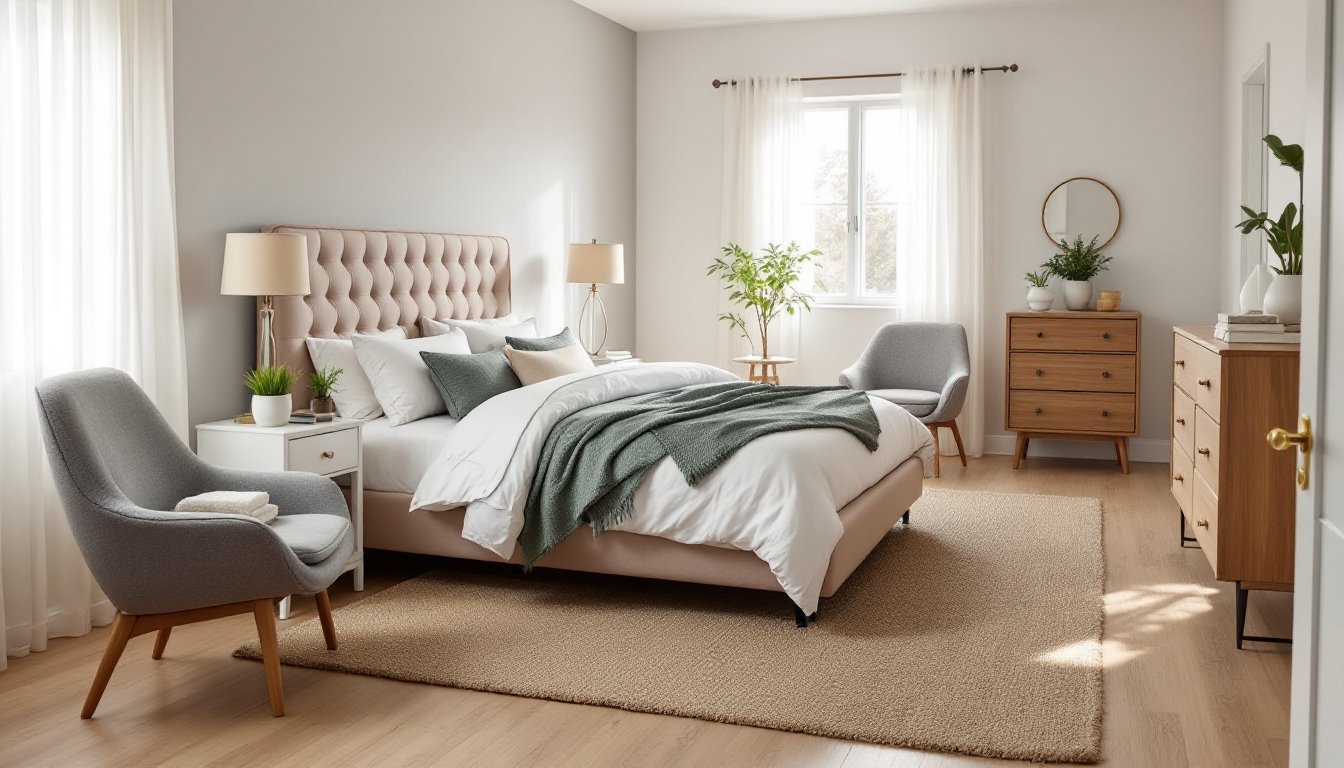
Setting up a guest bedroom isn’t about filling a room with leftover furniture. It’s about creating a space where visitors feel genuinely comfortable, somewhere they’d actually want to stay. The right furniture makes the difference between a room that feels like an afterthought and one that feels like a thoughtful retreat. Whether working with a dedicated guest room or a multi-purpose space, selecting furniture that balances comfort, function, and storage is key. This guide walks through essential pieces, space-saving solutions, and practical design choices that help homeowners furnish a guest room without overthinking or overspending.
Table of Contents
ToggleKey Takeaways
- Invest in a quality queen-size bed with medium-firm support and a mattress protector as the foundation—it’s the furniture piece guests will judge first.
- Essential guest bedroom furniture includes a bed, nightstands, seating, storage (dresser or shelves), and layered lighting to ensure comfort and convenience.
- Space-saving solutions like Murphy beds, daybeds with trundles, and vertical storage maximize functionality in small rooms without creating a cramped feel.
- Select 2–3 neutral wood finishes and coordinate textures through bedding and rugs to create a cohesive look with mismatched furniture pieces.
- Multi-functional furniture such as sleeper sofas, rolling desks, and modular storage systems allow guest bedrooms to serve dual purposes without constant rearrangement.
- Include adequate storage with dressers, under-bed bins, and storage benches to prevent clutter and accommodate guests staying longer than a single night.
Essential Furniture Pieces Every Guest Bedroom Needs
A functional guest bedroom doesn’t require a furniture showroom’s worth of pieces, just the core items that ensure comfort and convenience.
Start with a bed and mattress as the foundation. A full or queen-size bed works for most guest rooms: anything smaller feels cramped for adult guests. Pair it with a supportive mattress (medium-firm is the safest bet for unknown sleepers) and basic bedding including pillows, a mattress protector, sheets, and a duvet or comforter.
Nightstands belong on at least one side of the bed. They don’t need to match, mismatched pieces often look more collected than matchy-matchy sets. A small surface for a phone, water glass, and reading lamp is all that’s required. Look for options with a drawer or shelf for guest convenience.
Include seating beyond the bed. An upholstered chair, small bench, or even a sturdy ottoman gives guests a spot to sit while putting on shoes or reading. It also serves as a staging area for luggage or folded clothes.
A dresser or chest of drawers provides storage for guests staying more than a night or two. Even a small three-drawer unit beats asking visitors to live out of a suitcase. If floor space is tight, wall-mounted shelves or a narrow console can substitute.
Finally, add proper lighting. Overhead fixtures rarely provide enough task light. A bedside lamp with a three-way bulb and a secondary light source (floor lamp or wall sconce) ensure guests can read, work, or move around the room comfortably after dark.
Space-Saving Furniture Solutions for Small Guest Rooms
Tight quarters require smarter furniture choices. The goal is maximizing usability without making the room feel like a storage unit.
Murphy beds (wall beds) remain the gold standard for small spaces. Modern versions fold vertically into a cabinet when not in use, freeing up floor space during the day. Quality hardware kits run $1,000–$2,500 depending on size and mechanism: DIY installation is possible for someone comfortable with cabinet assembly and wall anchoring into studs. Always verify wall framing can handle the load, consult local building codes if mounting to drywall alone.
Daybeds work well in rooms that double as offices or sitting areas. They read as sofas during the day and sleep one adult comfortably at night. Models with built-in trundles add a second sleeping surface without占用 extra floor space when not deployed.
Opt for furniture with vertical storage. Tall, narrow dressers (sometimes called lingerie chests) provide four to six drawers in the footprint of a nightstand. Wall-mounted floating shelves and pegboards keep surfaces clear while offering display and storage options.
Folding or nesting furniture adds flexibility. A folding luggage rack stores flat in a closet, nesting side tables can separate for use as nightstands, and collapsible clothing racks appear only when needed. Many DIY furniture projects focus on building custom pieces sized precisely for awkward spaces, particularly useful for rooms with sloped ceilings, odd alcoves, or non-standard dimensions.
Skip bulky armoires in favor of open clothing racks or wall-mounted hooks paired with a shelf. This approach uses less visual and physical space while still accommodating hanging garments.
Choosing the Right Bed and Mattress for Guest Comfort
The bed is the one piece of furniture guests will absolutely judge. Skimp here and nothing else matters.
For bed size, a queen (60″ × 80″) fits most dedicated guest rooms and accommodates two adults or a parent with a child. Full-size beds (54″ × 75″) work in smaller rooms but feel tight for couples. Twin XL beds (38″ × 80″) suit narrow rooms or spaces hosting single guests, and two twins can be pushed together for flexible sleeping arrangements.
Bed frame selection depends on storage needs and aesthetic preferences. Platform beds with built-in drawers maximize under-bed storage, ideal for rooms without a closet. Metal frames cost less and assemble quickly but offer no storage. Upholstered frames add a finished, hotel-like look and some acoustic dampening if the room shares a wall with living spaces.
When choosing a mattress, prioritize medium-firm support. It’s the most universally comfortable option for unknown sleepers with varying body weights and sleep positions. Memory foam mattresses in a box (10″–12″ depth) run $300–$800 for a queen and arrive compressed for easy transport up stairs. Innerspring mattresses provide traditional support and better airflow but cost more and require professional delivery for anything queen-size or larger.
Budget options exist, complete guest room furniture packages including farmhouse beds and mattresses have been documented at around $600 total. That approach works for occasional-use rooms but plan to replace budget mattresses every 5–7 years versus 8–10 for mid-grade options.
Don’t forget the mattress protector. A waterproof, breathable cover ($30–$60) protects against spills and extends mattress life. It’s easier to wash a protector than replace a mattress.
Storage Furniture That Keeps Guest Rooms Clutter-Free
Guest rooms accumulate clutter quickly, extra bedding, seasonal items, and odds-and-ends homeless elsewhere in the house. The right storage furniture keeps these items contained and accessible.
Dressers with three to six drawers provide the most versatile storage. Reserve the top two drawers for guest use (keep them empty) and use lower drawers for linens, off-season clothing, or household overflow. A dresser with a mirror serves double duty as both storage and a grooming station.
Storage benches and ottomans do triple duty: seating, surface area, and hidden storage for extra pillows, blankets, or luggage. Look for units with hinged lids rather than removable tops, they’re easier for guests to use. Ensure the lid has slow-close hinges or a safety stay to prevent finger injuries.
Under-bed storage works when the bed frame sits at least 12″ off the floor. Rolling plastic bins, fabric boxes, or purpose-built under-bed drawers keep items dust-free and accessible. Label bins clearly if storing household items guests shouldn’t disturb.
For rooms with closets, add closet organization rather than more furniture. A second hanging rod doubles capacity, shelf dividers keep stacks from toppling, and over-door hooks provide additional hanging space without tools or wall damage.
Ladder shelves and bookcases offer open storage that doesn’t feel heavy in small rooms. Style the visible shelves with a few books, a plant, and empty baskets guests can use, then reserve lower or higher shelves for household storage.
Multi-Functional Furniture for Dual-Purpose Guest Spaces
Most homes use guest bedrooms as home offices, gyms, craft rooms, or playrooms the other 350 days per year. Furniture needs to support both functions without constant rearranging.
Sofa beds and sleeper sofas work in office/guest room combinations. Quality mechanisms matter, cheap bar frames feel like sleeping on a park bench. Test models in person or invest in memory foam toppers. Air mattresses are a last resort, not a solution.
Desks that double as vanities or consoles serve both office and guest functions. A simple writing desk (42″–60″ wide) with a comfortable chair works for laptop use or as a surface for guests to unpack. Avoid bulky executive desks with pedestals that monopolize floor space and limit furniture rearrangement.
Modular furniture systems like cube storage units reconfigure for different uses. Arrange cubes horizontally as a low credenza for office files, then restack vertically when guests arrive to create a narrow storage tower. This flexibility appears frequently in budget renovation ideas where one room serves multiple household members.
Rolling furniture makes space transitions easier. Desk chairs on casters, mobile filing cabinets, and clothing racks on wheels can be relocated quickly when converting the room from office to bedroom mode.
If the room includes workout equipment, choose folding or compact gear: resistance bands instead of weight sets, fold-flat yoga mats instead of bulky machines, and wall-mounted pull-up bars that tuck behind doors. Heavy equipment should move to another space or at least position in a way that doesn’t dominate the room visually.
Style and Design Tips for Coordinating Guest Bedroom Furniture
Guest bedrooms should feel intentional, not like a furniture orphanage. Coordinating pieces doesn’t require matched sets, just a unifying approach.
Start with a neutral foundation. Wood tones (walnut, oak, or painted white) work across styles and mix easily. Choose two to three dominant finishes and stick with them. A room with white painted furniture, natural oak accents, and black metal hardware reads as cohesive even if pieces came from different sources.
Scale matters more than style when mixing furniture. A delicate Victorian side table looks wrong next to a chunky platform bed, even if both are wood. Match visual weight: pair substantial bed frames with similarly proportioned dressers and nightstands.
Use textiles to unify mismatched furniture. A rug, bedding, and window treatments in complementary colors tie together disparate wood finishes and furniture styles. This approach costs less than replacing furniture and updates more easily.
Avoid overly personal or trendy choices. Guest bedrooms should feel welcoming to a range of tastes. Skip bold accent walls, highly personal artwork, or furniture in neon colors. Save those experiments for primary living spaces.
Leave breathing room between furniture pieces. Overcrowding makes rooms feel chaotic regardless of furniture quality. Allow 24″–36″ of walkway space around the bed and 18″ minimum between other furniture pieces. If the room feels cramped, remove a piece rather than downsizing everything.
Finally, finish furniture properly. A well-made piece with sloppy assembly or visible damage doesn’t read as welcoming. Tighten hardware, touch up scratches, and ensure drawers glide smoothly. Guests notice these details even if they don’t mention them.
Conclusion
Furnishing a guest bedroom well doesn’t require a designer’s budget or a contractor’s expertise, just thoughtful choices about what guests actually need. Prioritize a comfortable bed, adequate storage, flexible furniture for dual-purpose spaces, and cohesive design that feels intentional. The result is a room that works hard when needed and welcomes visitors without feeling like an afterthought.