
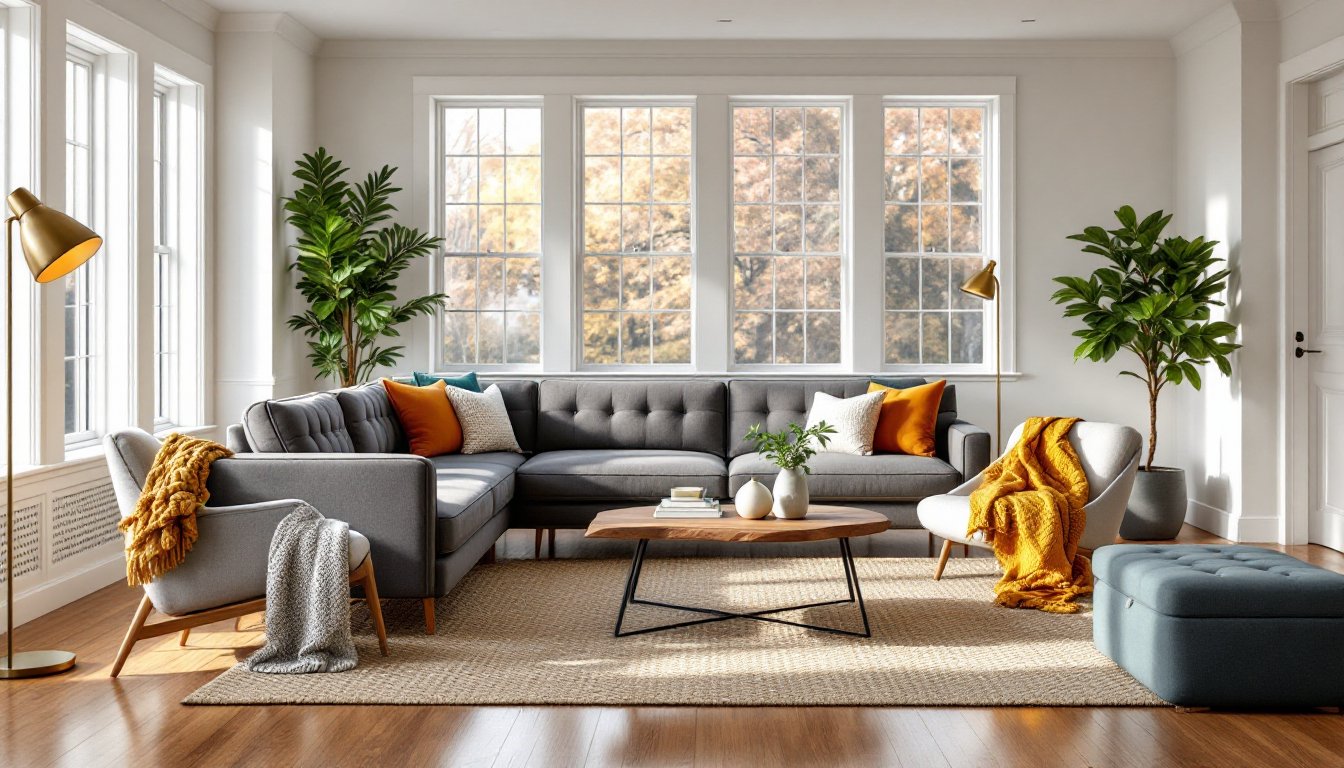
Gray living room furniture has held its ground as a design staple for good reason. It’s not trendy, it’s foundational. Whether someone’s working with a blank-slate rental or renovating a family room, gray furniture offers flexibility that few other colors can match. It bridges modern and traditional styles, plays nicely with nearly every accent color, and hides everyday wear better than lighter neutrals. This guide walks through what makes gray furniture work, how to choose the right pieces and shades, and how to style them without landing in boring territory.
Table of Contents
ToggleKey Takeaways
- Gray living room furniture serves as a versatile, foundational design choice that adapts to modern and traditional styles while hiding everyday wear better than lighter neutrals.
- Choose sofas with kiln-dried hardwood frames, high-density foam cushioning (1.8 lb/ft³ or higher), and metal connection hardware to ensure durability and longevity in daily use.
- Select the right shade of gray by testing samples in your actual room under different lighting conditions, considering whether warm (greige), cool (blue/purple-toned), or true-neutral gray complements your existing finishes and natural light.
- Layer multiple gray tones and textures—such as pairing a charcoal sofa with light gray accents and varied materials like velvet, linen, and wood—to create visual depth and prevent monotony.
- Accent gray furniture with bold colors like mustard yellow, teal, or emerald green, and incorporate metallic finishes and plants to inject personality while maintaining a sophisticated, cohesive look.
- For households with kids or pets, prioritize performance fabrics with stain-resistant coatings or choose slipcover sofas with machine-washable covers to simplify maintenance and extend furniture lifespan.
Why Gray Living Room Furniture Remains a Top Choice for Homeowners
Gray sits in the sweet spot between warm and cool, making it adaptable to shifting design preferences without requiring a full room overhaul. Unlike stark white or cream, gray doesn’t show every coffee spill or pet hair smudge. It also doesn’t commit a space to a single style the way darker woods or bold colors can.
From a practical standpoint, gray furniture holds resale value. Potential buyers or renters see a neutral canvas rather than someone else’s taste. For DIYers tackling multi-phase renovations, gray pieces can stay put while walls, rugs, and accessories rotate. That flexibility extends the lifespan of each purchase.
Gray also works across lighting conditions. North-facing rooms with cooler natural light benefit from warmer grays with beige or taupe undertones. South-facing spaces can handle cooler grays with blue or green bases without feeling sterile. This adaptability reduces the risk of a color choice that only looks right at noon.
Finally, gray pairs well with natural materials, reclaimed wood coffee tables, jute rugs, linen curtains, which keeps a room grounded instead of overly styled. It’s a workhorse color that doesn’t demand the spotlight but doesn’t fade into irrelevance either.
Essential Gray Furniture Pieces to Anchor Your Living Room
Gray Sofas and Sectionals
The sofa is the largest single furniture investment in most living rooms, so choosing the right gray matters. L-shaped sectionals work well in open-plan spaces, defining the seating area without blocking sightlines. Standard three-seat sofas fit tighter layouts and leave room for complementary accent chairs.
When evaluating gray sectional options, check the frame construction. Kiln-dried hardwood frames (oak, maple, or engineered hardwood) hold up better than softwood or particleboard, especially on pieces that’ll see daily use. Corner-blocked frames resist racking over time.
Cushion fill also affects longevity. High-density foam (1.8 lb/ft³ or higher) maintains shape better than polyester fill alone. Down-wrapped foam cores offer a softer sit without collapsing. Reversible cushions extend usable life by distributing wear.
For modular sectionals, confirm that connection hardware is metal rather than plastic. Sections that shift apart every time someone sits down become a headache fast.
Accent Chairs and Ottomans
Accent chairs in lighter or darker gray shades add depth without clashing. A charcoal gray wingback chair contrasts nicely with a dove gray sofa, breaking up visual monotony. Conversely, pairing a light gray linen chair with a medium gray sectional keeps the palette cohesive while varying texture.
Ottomans serve double duty as footrests and extra seating. Storage ottomans with hinged tops (look for soft-close hinges to avoid pinched fingers) corral remotes, throws, and kids’ toys. Tufted ottomans add a tactile element that flat surfaces lack.
Consider mobility. Accent chairs without arms slide under console tables when not in use. Lightweight ottomans on casters move easily for game night or movie marathons. Furniture that adapts to different room configurations earns its floor space.
Choosing the Perfect Shade of Gray for Your Living Space
Gray isn’t one color, it’s a spectrum with warm, cool, and true-neutral variations. Warm grays (greige) contain brown or beige undertones and pair well with natural wood finishes, terracotta accents, and brass hardware. Cool grays lean blue or purple and complement stainless steel, chrome, and crisp white trim. True grays balance warm and cool, offering maximum flexibility.
Test samples in the actual room before committing. Paint a foam core board with the wall color and drape fabric swatches over it under different lighting, morning sun, afternoon shade, and evening lamps. Gray shifts dramatically depending on adjacent colors and light temperature.
Consider the room’s existing finishes. Homes with warm oak or cherry flooring typically look better with warmer grays. Spaces with cool-toned tile or painted white trim handle cooler grays without feeling clinical.
Layering multiple gray tones adds dimension. A medium charcoal sofa anchors the room, while a light gray accent chair and slate gray ottoman create visual interest without introducing competing colors. This approach mimics professional design techniques seen in resources like pearl grey interiors, where tonal variation prevents flatness.
Avoid matching grays too precisely. Furniture, rugs, and walls in identical shades blend together rather than define separate elements. Aim for at least two shades of contrast between major pieces.
Styling Gray Furniture with Colors, Textures, and Accents
Gray furniture acts as a neutral backdrop, so accent colors carry the personality. Mustard yellow, burnt orange, and deep teal bring warmth without overwhelming. Navy blue, emerald green, and plum add richness while maintaining sophistication. Pastels work too, but in small doses, blush pink or sage green throw pillows rather than large area rugs.
Texture prevents gray rooms from feeling flat. Pair smooth velvet gray sofas with chunky knit throws. Set sleek gray leather chairs against woven jute rugs. Mix matte ceramic vases with glossy metallic picture frames. Varied textures catch light differently, creating depth that monochrome schemes need.
Wood tones warm up gray palettes. A live-edge walnut coffee table or reclaimed pine shelving contrasts with the furniture’s uniformity. Avoid matchy-matchy wood finishes, mixing a weathered gray-washed console with natural oak side tables looks intentional rather than assembled from a single furniture set.
Metallic accents shift the mood. Brass and gold add vintage warmth. Matte black or oil-rubbed bronze skew industrial. Polished chrome and nickel lean modern. Stick to one or two metal finishes per room to avoid a cluttered look.
Plants inject life into neutral spaces. Large-leaf specimens like fiddle-leaf figs or monstera create architectural interest. Trailing pothos or string-of-pearls soften hard furniture edges. Even faux greenery works if it’s high-quality, cheap plastic plants fool no one.
Layered lighting matters. Overhead fixtures alone create harsh shadows. Add table lamps at different heights and floor lamps with adjustable arms to highlight textures and eliminate dead zones. Warm LED bulbs (2700–3000K) make gray feel cozy rather than institutional.
Material and Fabric Considerations for Gray Living Room Furniture
Fabric choice directly impacts durability and maintenance. Performance fabrics (polyester blends treated with stain-resistant coatings like Crypton or Sunbrella) handle spills and pet traffic better than untreated natural fibers. They’re worth the upcharge for high-use family rooms.
Linen offers a relaxed, textured look but wrinkles easily and shows stains. It suits low-traffic spaces or adults-only households. Cotton blends split the difference, softer than pure polyester, more forgiving than linen. Look for tight weaves (higher thread counts) that resist pilling.
Velvet adds luxury but requires maintenance. It shows vacuum tracks and compression marks, though higher-pile velvets bounce back better. Crushed velvet hides wear patterns more effectively than smooth varieties. Avoid velvet in homes with shedding pets unless you’re committed to frequent lint-rolling.
Leather and faux leather age differently. Full-grain leather develops patina and lasts decades with conditioning. Top-grain leather resists stains but won’t develop the same character. Faux leather (polyurethane or PVC) costs less upfront but tends to crack and peel within 3–5 years, especially along seams and high-contact areas.
For households with kids or pets, consider removable, machine-washable covers. Slipcover sofas and chairs simplify cleaning and allow seasonal color swaps. Check zipper quality, YKK or similar heavy-duty zippers handle repeated washing better than generic hardware.
Check the double-rub count (Wyzenbeek or Martindale test) for durability. Residential furniture should hit at least 15,000 double rubs: commercial-grade pieces exceed 30,000. This spec is often listed in product details or available by request.
Gray hides some stains but not all. Medium grays camouflage dust and pet hair better than charcoal or light grays. Pattern options, herringbone, subtle stripes, or tonal geometric prints, further disguise everyday wear while maintaining a cohesive gray palette. Many of these material considerations align with insights from modern design sources, where fabric performance meets aesthetic intent.
Safety note: Flame-retardant treatments are standard on most upholstered furniture sold in the U.S. (per TB 117-2013 standards), but verify compliance if purchasing vintage or imported pieces. Fabrics treated with safer alternatives like Trevira CS offer fire resistance without potentially harmful chemical additives. As noted in luxury furniture trends, high-end manufacturers increasingly prioritize low-VOC and eco-certified materials, which benefit long-term indoor air quality alongside durability.