
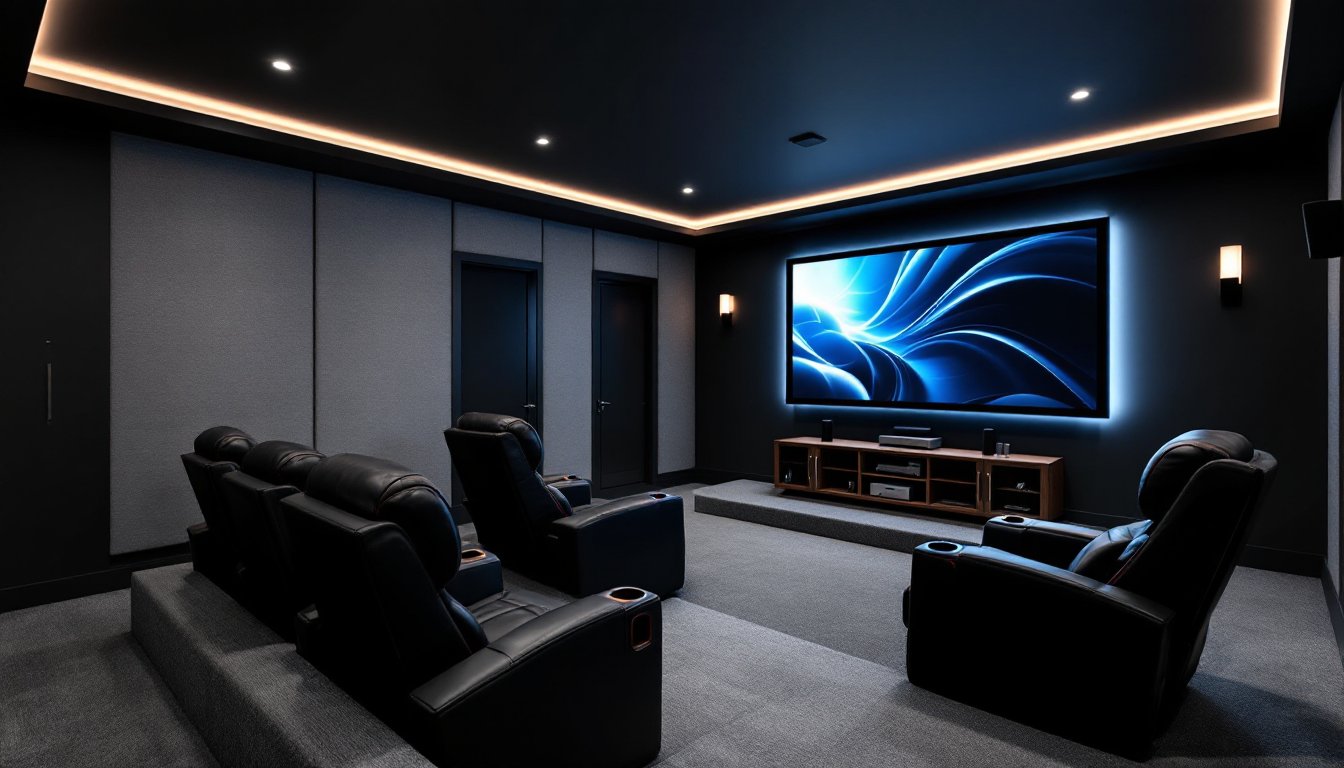
Setting up a dedicated home theater isn’t just about the screen and speakers, the furniture anchors the entire experience. The right seating, console, and layout determine whether viewers stay comfortable through a three-hour epic or shift around after twenty minutes. Poor furniture choices lead to stiff necks, blocked sightlines, and cluttered cable runs. Smart selections turn a spare room into a space worth skipping the multiplex for. This guide breaks down the core furniture categories, practical layout considerations, and what actually matters when building a home theater that gets used.
Table of Contents
ToggleKey Takeaways
- Best home theater furniture balances viewing geometry, acoustic performance, and cable management—not just aesthetics or hand-me-down pieces.
- Dedicated theater recliners with power mechanisms, lumbar support, and proper height (18-20 inches) deliver comfort for extended viewing sessions that standard sofas cannot match.
- Media consoles require open-back ventilation and adequate depth (16-20 inches) to manage heat dissipation and prevent equipment failure in AV receivers and components.
- Layout planning should follow SMPTE seating distance standards (8.5–13.5 feet for a 100-inch screen) and account for recliner clearance, aisle width, and speaker placement before purchasing furniture.
- Modular sectionals work for dual-purpose rooms but demand low backs (under 36 inches) to avoid blocking rear speakers and projector throw.
- Two-row configurations need at least 16 feet of depth with elevated risers and 24-inch aisles; use painter’s tape to test layouts before committing to purchases.
Why Home Theater Furniture Matters for Your Viewing Experience
Furniture in a home theater does more than fill square footage. It controls viewing angles, manages acoustic reflections, and keeps gear accessible without turning the room into a rat’s nest of cables.
Viewing geometry starts with seat height and distance from the screen. For a 100-inch diagonal screen, the Society of Motion Picture and Television Engineers (SMPTE) recommends seating between 8.5 and 13.5 feet from the display. Seats too low force viewers to crane their necks upward: seats too high compress the vertical viewing angle. Most dedicated theater chairs sit 18-20 inches off the floor, matching the height range of standard sofas but offering better lumbar support for extended sessions.
Acoustic treatment also factors in. Upholstered furniture absorbs mid and high frequencies, reducing flutter echo and slap-back in reflective rooms. Hard leather or vinyl surfaces reflect more sound, which can muddy dialogue. In spaces with drywall and hardwood floors, fabric-covered seating helps tame the room without adding dedicated acoustic panels.
Cable management becomes critical when routing HDMI runs, speaker wire, and power for recliners with built-in USB charging. Furniture with integrated wire channels or rear cutouts simplifies installations and keeps pathways clear for cleaning. Plan cable routes during the layout phase, not after the couch is bolted down.
Ignore the temptation to repurpose a hand-me-down sectional. Purpose-built theater furniture accounts for cupholders, armrest width, recliner clearance, and sightline angles that living room pieces don’t address.
Top Home Theater Seating Options
Recliners and Theater Chairs
Dedicated theater recliners remain the gold standard for serious setups. These chairs feature power recline, adjustable headrests, and enough padding to handle a Marvel marathon without numb legs. Most models measure 36-40 inches wide per seat, with 8-12 inches of wall clearance needed for full recline.
Look for chairs with manual or motorized recline mechanisms. Manual levers cost less and never fail electronically, but motorized controls let users adjust mid-scene without disturbing neighbors. Many motorized models include USB charging ports built into the armrests, handy for keeping phones alive during intermission.
Cupholders vary widely. Illuminated cupholders sound gimmicky but genuinely help in a dark room. Oversized holders accommodate today’s insulated tumblers, not just soda cans. Some chairs include tray tables that fold out from the armrest, useful for snacks or remotes.
Frame construction matters for longevity. Steel frames handle heavy use better than hardwood or engineered lumber. Upholstery options range from bonded leather (cheap, peels within 3-5 years) to top-grain leather or performance fabrics that resist spills and hold up under UV exposure from projector light.
For smaller budgets, reclining loveseats pack two seats into a 60-70 inch width, saving floor space compared to individual chairs. Trade-off: shared armrests and less individual adjustability.
Sectional Sofas for Flexible Layouts
Modular sectionals work when the room serves double duty, theater and family den. Unlike fixed rows of recliners, sectionals rearrange to fit different group sizes and can angle toward the screen or float in the room.
Choose sectionals with low backs (under 36 inches) to avoid blocking rear speakers or projector throw. High-back sectionals create acoustic shadows and force ceiling-mounted speakers into awkward positions. If a high back is unavoidable, leave at least 24 inches between the sofa and the rear wall for speaker clearance.
Many Ashley Home Furniture Sectional configurations offer built-in recliners on end seats, blending flexibility with comfort. Corner wedges help maximize seating in oddly shaped rooms.
Chaise modules allow full-length lounging but eat up 70-80 inches of depth. They work in larger rooms (over 16 feet deep) but crowd smaller spaces. In compact theaters, skip the chaise and add an ottoman instead, easier to move and doubles as overflow seating.
Fabric choice affects maintenance. Microfiber resists stains and cleans easily, while linen looks sharp but shows every popcorn kernel. Avoid slick materials like satin or vinyl that cause sliding during recline.
Essential Storage and Media Consoles
A media console does more than hold the TV, it organizes components, hides cables, and keeps remotes from vanishing into couch crevices. For home theaters, the console needs to handle heat dissipation, equipment weight, and cable routing.
Component ventilation ranks high. AV receivers generate serious heat, especially during loud scenes. Look for consoles with open backs or perforated panels to allow airflow. Closed cabinets with glass doors trap heat and shorten equipment life. If a closed front is required for aesthetics, add 12V cooling fans (quiet models rated under 20 dB) mounted in the rear.
Most consoles measure 48-72 inches wide and 16-20 inches deep. That depth accommodates receivers, game consoles, and streaming boxes with rear cable clearance. Shallow consoles (under 14 inches) force cables to kink or crowd connectors.
Weight capacity matters for larger displays or stacked components. Particleboard and MDF consoles sag over time under heavy loads. Solid wood or steel-reinforced frames support 200+ pounds without bowing. Check the manufacturer’s spec sheet: if weight capacity isn’t listed, assume it’s flimsy.
Cable management features include rear grommets, raceway channels, and Velcro straps. Consoles without these turn into cable spaghetti within a week. Route power separately from signal cables to reduce electrical interference (a basic NEC guideline, though not strictly enforced in residential low-voltage runs).
For rooms with projectors, the console often moves to a side wall or disappears into a closet. In that case, add a small media cart on casters to hold components near the screen, then roll it aside when not in use.
Storage shelves handle disc collections, remotes, and accessories. Adjustable shelves beat fixed ones, they adapt as gear changes. Some setups benefit from custom home office cabinetry techniques, especially when integrating equipment racks or concealing server towers.
According to recent smart home trends, many homeowners now integrate voice-controlled lighting and automated shades into theater setups, requiring additional low-voltage wiring runs planned during the console installation phase.
Choosing the Right Layout for Your Space
Layout planning starts with room dimensions, not furniture catalogs. Measure the space, mark door swings, and note any HVAC vents or electrical outlets before selecting pieces.
Single-row layouts suit rooms 12-14 feet deep. Place seating 8-10 feet from the screen, leaving 3-4 feet behind the sofa for walking. This setup works for couples or small families who don’t need tiered seating.
Two-row configurations require at least 16 feet of depth. The front row sits 8 feet from the screen: the back row elevates 6-8 inches on a riser platform. Build risers from 2×8 or 2×10 framing with ¾-inch plywood on top. Most jurisdictions don’t require permits for non-structural platform risers under 12 inches tall, but confirm local codes.
Riser platforms should extend 12 inches beyond the rear seats’ full recline position, usually 48-52 inches deep for typical theater chairs. Carpet the riser to reduce footfall noise and vibration transfer.
Aisle width between seats or rows should measure at least 24 inches for comfortable passage. Tighter aisles (18 inches) work in a pinch but require turning sideways when others are seated.
Speaker placement influences furniture position. Front left/right speakers typically flank the screen at ear height when seated. If using floor-standing towers, leave 6-12 inches between the speaker and side walls to avoid bass buildup. Surround speakers mount 2-3 feet above seated ear level, which affects where high-back furniture can sit.
For rooms under 200 square feet, avoid oversized sectionals that crowd the space. Two loveseats facing the screen leave room to maneuver and simplify future rearrangements. Larger rooms (300+ square feet) can handle rows of recliners or a combination of recliners in front and a sectional in back.
Proper home staging furniture techniques can help visualize how different layouts work before committing to purchases. Test drive the layout with painter’s tape on the floor to mark furniture footprints.
Expert woodworking resources provide plans for building custom risers or trim-out for platforms, useful when standard furniture doesn’t fit unusual room dimensions.
Conclusion
Furniture defines the home theater experience as much as the screen and speakers. Dedicated seating beats repurposed living room pieces, proper consoles keep gear cool and organized, and thoughtful layouts maximize every square foot. Measure twice, account for recline clearance and cable runs, and don’t skip the riser if a second row makes sense. The result: a space that actually gets used instead of gathering dust.