
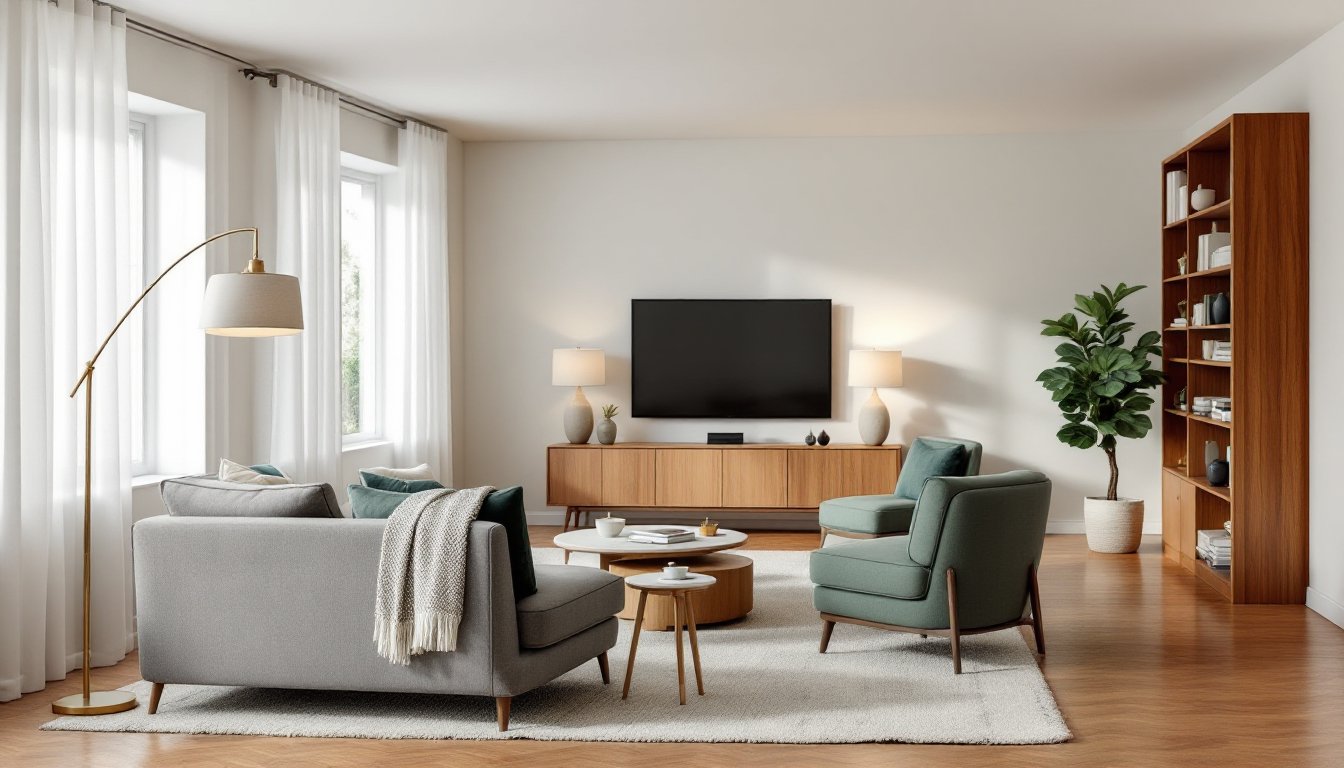
A living room with good bones can still feel awkward if the furniture’s in the wrong place. Walk into a room where the sofa’s blocking a doorway or the TV’s catching glare from every window, and no amount of throw pillows will fix it. Furniture layout isn’t about following rigid rules, it’s about understanding traffic flow, scale, focal points, and how people actually use the space. Get the layout right, and even a modest room feels inviting and functional. This guide walks through proven strategies for different room types and lifestyles, from small apartments to open-concept homes.
Table of Contents
ToggleKey Takeaways
- Start your living room furniture layout with accurate room measurements and identify a focal point—fireplace, window, or TV—before moving any pieces to establish visual hierarchy.
- Maintain 30–36 inches of clearance in traffic paths and float furniture away from walls when needed to improve flow and make spaces feel larger, especially in small living rooms.
- Match your layout strategy to how you actually use the room: symmetrical layouts for formal spaces, U-shaped seating for conversation-focused entertaining, and zoned arrangements for multi-functional family living rooms.
- In open-concept spaces, use area rugs (8×10 minimum) and low-profile furniture with exposed legs to define the living area while maintaining visual flow and an airy feel.
- Furniture scale should match room proportions—choose apartment-scale sofas (around 72 inches) for compact spaces and proportional coffee tables that sit two-thirds the sofa’s length and 14–18 inches away.
How to Plan Your Living Room Layout Like a Pro
Start with accurate measurements. Not eyeballed guesses, actual dimensions of the room, doors, windows, radiators, and any architectural quirks. Use a 25-foot tape measure and note everything on graph paper or a free digital tool like RoomSketcher.
Identify the focal point before moving a single piece of furniture. In most living rooms, that’s a fireplace, a large window with a view, or the TV. If the room lacks a natural anchor, create one with a media console, a gallery wall, or built-in shelving. Everything else should support that focal point, not compete with it.
Map out traffic paths. People need 30–36 inches of clearance to move comfortably through a room. If your layout forces guests to sidestep the coffee table or squeeze behind the sofa, it’s not working. Major walkways should be obstacle-free, even if that means floating furniture away from walls.
Consider scale and proportion. A sectional that filled your old living room might overwhelm a smaller space. Conversely, spindly furniture in a large room looks lost. Aim for pieces that relate to each other in size, if you’ve got a deep sofa, pair it with a substantial coffee table, not a flimsy nesting table.
Finally, think about function. Does the family watch movies together? You’ll need seating oriented toward the screen. Hosting dinner parties? A layout that encourages mingling works better than theater-style rows.
Best Furniture Layouts for Small Living Rooms
Small rooms punish clutter and reward discipline. Floating furniture off the walls often makes a compact space feel larger, counterintuitive as that sounds. Pull the sofa 12–18 inches away from the wall to create visual breathing room and define zones.
Choose a loveseat or apartment-scale sofa instead of a full-size sectional. Standard sofas run 84–96 inches: apartment sofas top out around 72 inches. That extra foot matters when you’re working with 10×12 feet or less.
Skip the bulky coffee table. A slim console table behind the sofa or a pair of nesting side tables gives you surface area without blocking sightlines. If you need a coffee table, look for one with a glass top or open frame, anything that doesn’t add visual weight.
Vertical storage is your friend. Tall bookcases draw the eye up and make ceilings feel higher. Wall-mounted shelves keep the floor clear, which tricks the brain into perceiving more square footage.
For seating, consider armless chairs or stools that tuck under a console when not in use. Ottomans with hidden storage serve double duty. And if the room’s truly tight, a pair of well-placed poufs beats a second chair you’ll never sit in.
Open-Concept Living Room Arrangement Strategies
Open floor plans eliminate walls but create a different challenge: how do you define the living area without physical boundaries? Area rugs are the simplest solution. A rug anchors the seating group and signals “this is the living room,” even when it’s ten feet from the kitchen island. Make sure the rug’s large enough, at least the front legs of all major furniture should sit on it. An 8×10 rug is the minimum for most layouts: 9×12 or larger works better.
Back-of-sofa placement is critical in open plans. If the sofa floats in the middle of the room, the back becomes a focal point. A sofa table or low credenza behind it adds function and hides the back upholstery. Don’t shove the sofa against a half-wall or kitchen peninsula unless you enjoy crumbs in the cushions.
Use furniture as room dividers. A bookcase perpendicular to the wall can separate the living area from a home office nook. An Ashley sectional with a chaise creates a natural boundary without blocking light or sightlines.
Lighting zones matter more in open concepts. A single overhead fixture won’t cut it. Layer in floor lamps, table lamps, and pendant lights to define the living area and create ambiance. Dimmers are worth the $15 install, they let you shift the mood without rearranging furniture.
Keep sightlines clear to preserve the airy feel. Low-profile furniture, sofas with exposed legs, glass-topped tables, open shelving, maintains visual flow between zones.
Classic Symmetrical Layout for Formal Spaces
Symmetry conveys order and elegance, which is why it’s the default for formal living rooms. Start with a centered focal point, typically a fireplace. Flank it with matching table lamps, sconces, or built-ins. The goal is balanced weight on both sides.
Place the sofa directly opposite the focal point, centered on the room’s main axis. Two identical armchairs face each other across a coffee table, forming a conversation square. This layout appears in countless design magazines because it works: everyone has a clear sightline, and the arrangement feels intentional.
Matching pairs reinforce symmetry. Two side tables, two lamps, two occasional chairs. It doesn’t mean everything has to be identical twins, you can mirror shapes and scale with different finishes. What matters is visual balance.
A rectangular or oval coffee table works better than round in symmetrical layouts. It echoes the room’s geometry and provides clear parallel lines. Keep it proportional: the table should be about two-thirds the sofa’s length and sit 14–18 inches away.
This layout thrives in square or nearly square rooms with a single, obvious focal point. It struggles in long, narrow spaces or rooms with competing features like a fireplace and a picture window on opposite walls.
Conversation-Focused Furniture Arrangements
If the living room’s main job is hosting friends and family, arrange seating to encourage face-to-face interaction. The optimal distance for comfortable conversation is 4–8 feet. Closer feels intrusive: farther requires raised voices.
U-shaped or L-shaped groupings work well. A sofa on one wall, two chairs perpendicular, and maybe a bench or ottoman completing the circle. Everyone can see everyone else without craning their necks. Pull seating into the room rather than lining it up against walls, it tightens the conversation zone and makes large rooms feel cozier.
Ditch the oversized coffee table if it’s creating a barrier. Smaller side tables or a low ottoman that doubles as extra seating keeps the center open. In layouts prioritizing conversation over TV-watching, there’s no need to orient everything toward a screen.
Modular or sectional seating offers flexibility. Rearrange pieces to accommodate two people or ten. Many interior designers recommend sectionals for their ability to wrap around a space and create an inclusive seating area without requiring multiple furniture pieces.
Add a secondary seating zone in larger rooms. A pair of chairs by the window with a small table between them gives guests an option without fragmenting the main conversation area. Think of it as a breakout space, useful during parties when not everyone wants to join the main group.
Multi-Functional Layout Ideas for Busy Families
Family living rooms pull triple duty: TV watching, assignments, play space, and guest overflow. Durability and flexibility trump showroom aesthetics. Look for furniture with performance fabrics, polyester blends, microfiber, or treated upholstery that repels spills. Leather and faux leather wipe clean, a major plus with kids or pets.
Zoning is essential. A sectional can anchor the TV-watching area while a desk or small table in the corner handles assignments. Use an area rug to define each zone visually. Keep the center of the room clear if young kids need floor space for playing.
Storage solutions should be built into the layout. An entertainment center with closed cabinets hides toys and clutter. A storage ottoman stashes blankets and remotes. Open shelving invites chaos unless you’re committed to keeping it organized, opt for cabinets with doors for a cleaner look.
Consider movable furniture. Lightweight side chairs, stools, or poufs can migrate around the room as needs change. A nesting coffee table expands when you need surface area and contracts when you need floor space.
Avoid glass-topped tables or anything with sharp corners if toddlers are in the mix. Rounded edges and sturdy construction prevent injuries. Contemporary decorating trends increasingly favor kid-friendly design that doesn’t sacrifice style, think sculptural wood coffee tables with soft edges and washable slipcovers in sophisticated neutrals.
Tech integration matters for families. Plan furniture placement around outlets and cable management. Wall-mounted TVs free up floor space, but make sure the viewing height is comfortable from the primary seating, 42–55 inches to the center of the screen is standard.
Conclusion
The right furniture layout turns a collection of individual pieces into a cohesive, functional room. Measure carefully, identify your priorities, whether that’s conversation, TV viewing, or multi-tasking, and choose a strategy that fits the space and how it’s actually used. Don’t be afraid to experiment. Furniture’s not bolted down. If a layout isn’t working, move things around until it clicks.